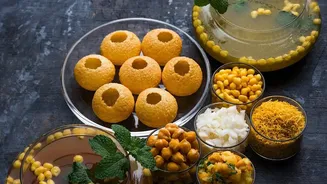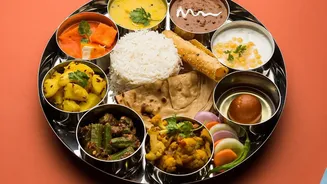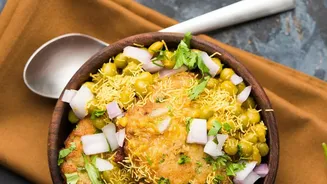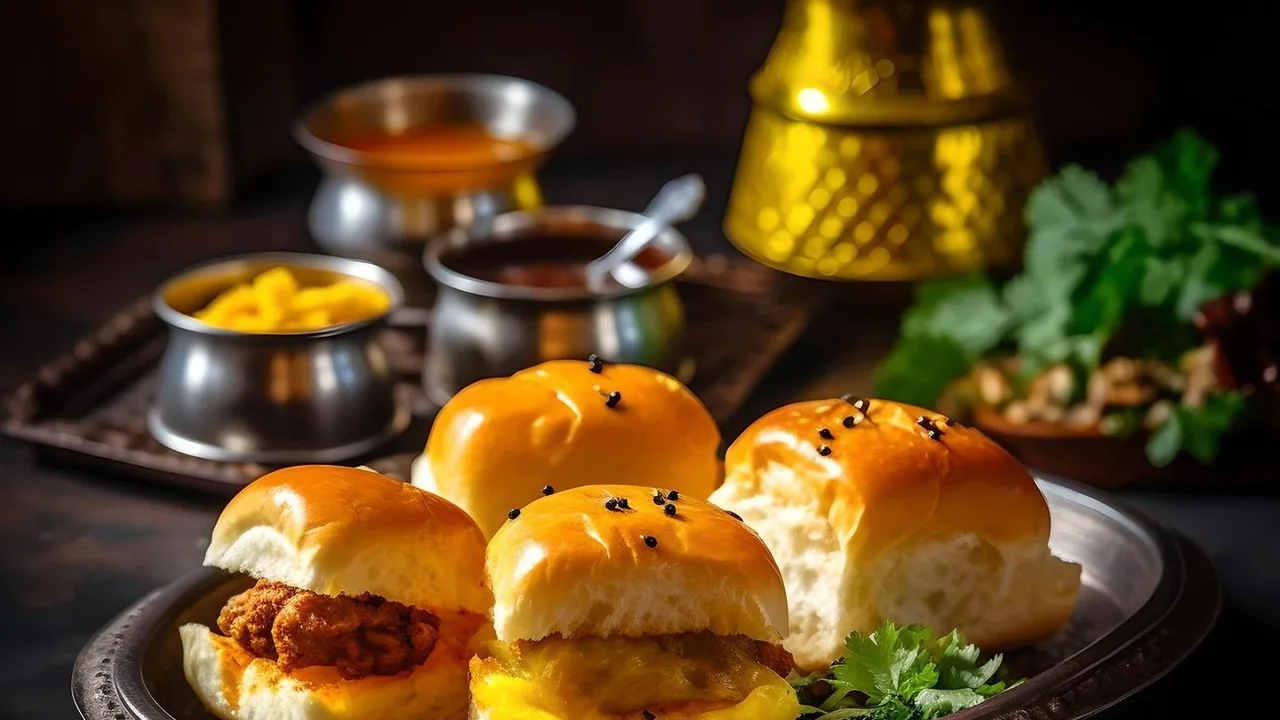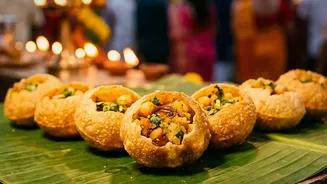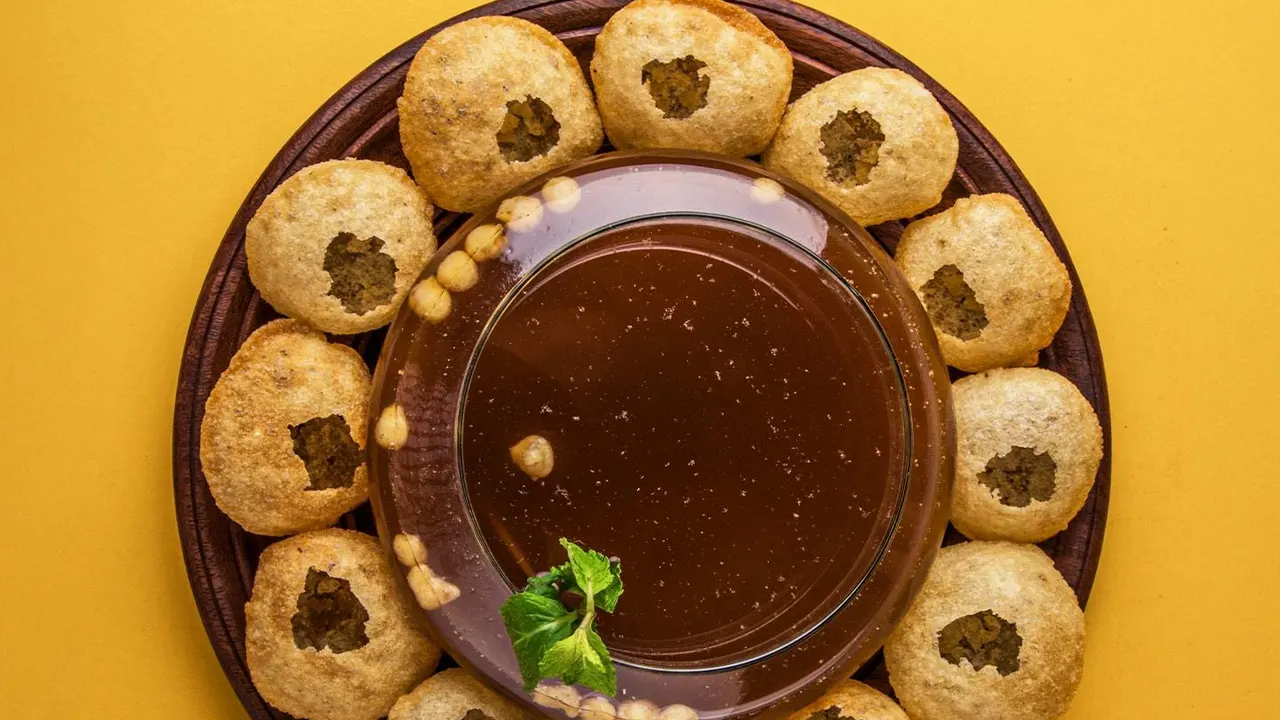



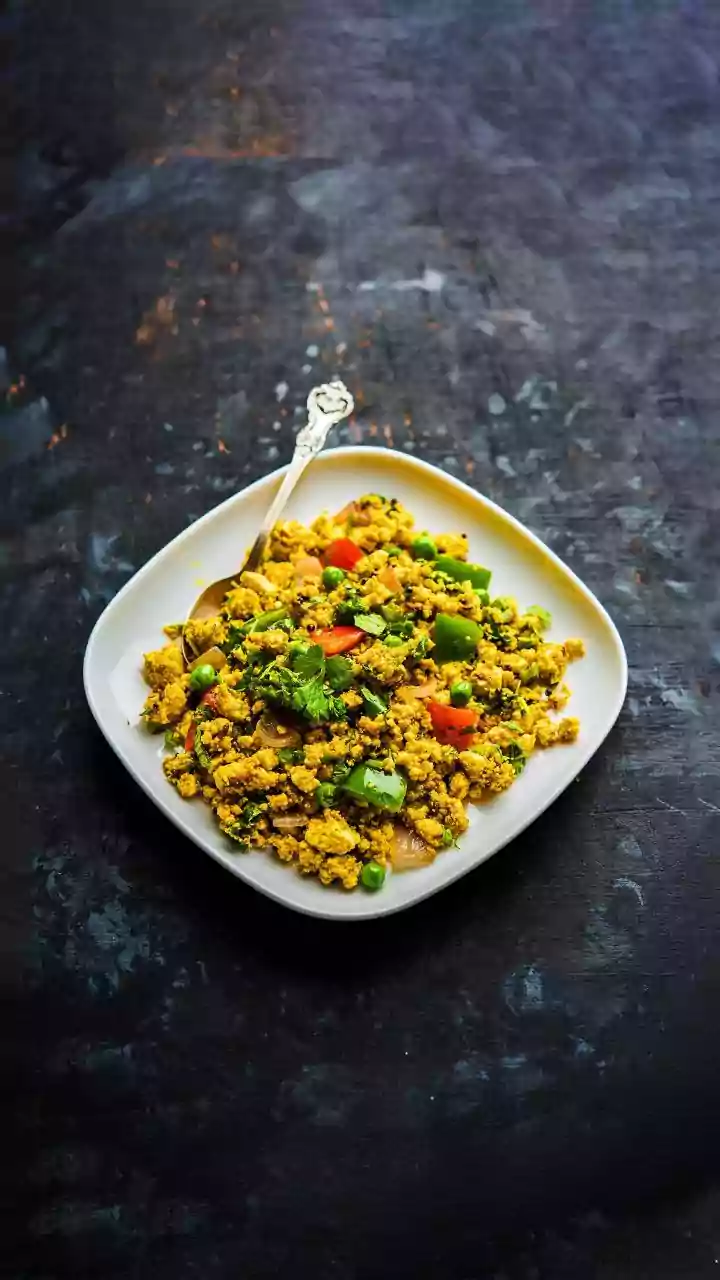


The magnetic pull of a sizzling street-side tawa or the promise of a perfectly crisp pani puri is hard to resist. Yet, for many, the joy is tempered by a nagging worry about hygiene and overpowering spice. What if you could have it all?
From Street Stall to Your Kitchen Counter
The allure of Indian
street food is undeniable—it's a vibrant, flavour-packed cornerstone of the country's culinary identity. From Mumbai's vada pav to Delhi's aloo tikki, these dishes are synonymous with quick, delicious satisfaction. However, the very environment that gives street food its character can also be a source of concern. Common worries often revolve around the quality of water used in chutneys and pani, the cleanliness of cooking utensils, and general food handling practices. Studies have sometimes found contaminants in street-vended foods, which can pose health risks. When you bring these recipes into your own kitchen, you instantly eliminate these variables. You control the water source, ensure every vegetable is washed thoroughly, and maintain a level of cleanliness that provides complete peace of mind, transforming a guilty pleasure into a wholesome treat.
Mastering the Masala: Your Personal Spice Dial
One of the biggest revelations of cooking Indian food at home is discovering that 'spicy' and 'flavourful' are not the same thing. Indian cuisine uses a complex array of spices like cumin, coriander, and cardamom for aroma and depth, with heat primarily coming from chillies. At a street stall, the spice level is set for the masses. At home, you are the master of the masala. You can dial the chilli heat up or down to suit every palate at the table. For those who love a fiery kick, you can be generous with green chillies or red chilli powder. For children or family members who prefer milder tastes, you can reduce the heat while still packing the dish with fragrant, non-spicy seasonings. This granular control allows you to appreciate the intricate layers of flavour in dishes like pav bhaji or chana chaat without an overwhelming burn.
Beyond Spice: Healthier Ingredients, Happier You
Control at home extends far beyond just chillies and cleanliness. You also get to dictate the quality and quantity of every single ingredient. Street food is often prepared with affordability in mind, which can mean the use of cheaper oils, higher amounts of salt, and a heavy hand with butter or ghee to enhance flavour. By making dishes like samosas or pakoras at home, you can choose healthier cooking oils, reduce the amount of fat, and even opt for baking or air frying instead of deep frying. You can load up your pav bhaji with a wider variety of fresh vegetables or make your chaat with nutrient-dense additions like sprouted moong. This ability to make small but significant adjustments—like using whole wheat flour for puris or reducing sugar in chutneys—empowers you to create versions of your favourite snacks that are not just delicious but also align with your health and wellness goals.
The Joy of Customisation and Creativity
Once you master the basics, your kitchen becomes a playground for street food innovation. You are no longer limited to the vendor's standard menu. Love the filling of a samosa but want to skip the frying? Turn it into a stuffed paratha. Want a gluten free version of dahi papdi chaat? You can make the crackers with alternative flours. Recreating street food at home is also a wonderful way to involve the whole family. Setting up a 'make your own bhel puri' station or a pani puri assembly line lets everyone build their snack exactly the way they like it—more onion, less potato, extra sweet chutney. This turns a simple meal into an interactive and memorable experience. It’s a chance to not only eat well but to connect, create, and share in the joy of food.