



Essential Rain Protection
The first rule of monsoon trekking is that you will get wet; the goal is to manage it effectively. A high-quality poncho is often recommended over a simple rain jacket. A good poncho is large enough to cover both you and your backpack, offering superior
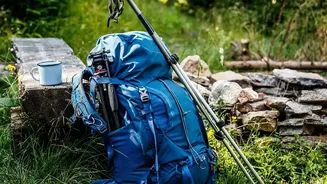
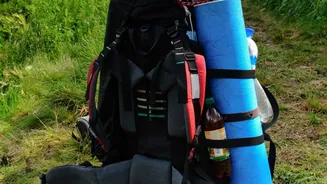
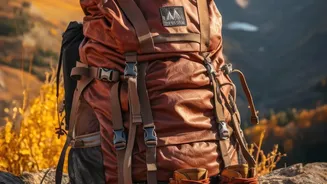
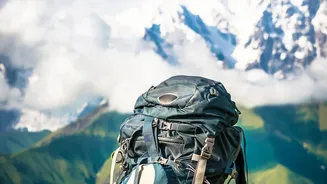
protection during a downpour and allowing for better ventilation than a fitted jacket. This prevents you from getting soaked by sweat from the inside. Also, carry a dedicated waterproof rain cover for your backpack. Most backpacks are water-resistant, not fully waterproof, and seams can leak during prolonged rain. This cover is your first line of defense for keeping everything inside dry.
The Right Clothing
When it comes to clothing, one word is key: synthetic. Avoid cotton at all costs, as it absorbs a huge amount of water and takes a very long time to dry, leaving you cold and uncomfortable. Instead, opt for quick-drying synthetic materials for your t-shirts and trek pants. Pack at least two sets of trekking clothes. Layering is also a smart strategy. A fleece jacket can provide warmth during chilly evenings or at higher altitudes, as monsoon weather can be unpredictable. It’s wise to keep one full set of dry clothes, including socks and innerwear, sealed in a separate dry bag that you only open at the campsite.
Footwear for a Firm Grip
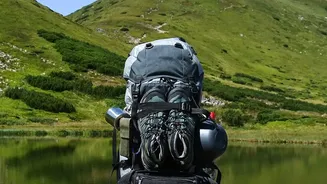
Your choice of footwear can make or break your trek. Trails become incredibly slippery, muddy, and are often crossed by small streams. You need trekking shoes with deep grooves and excellent grip to prevent falls. While waterproof shoes sound ideal, they can sometimes work against you. Once water gets in over the top, it gets trapped inside. A better option can be non-waterproof shoes with good drainage that dry out relatively quickly. Whichever you choose, pair them with waterproof socks or synthetic socks that do not hold moisture. It’s also a great idea to carry a pair of floaters or sandals for wearing at the campsite, allowing your feet and shoes to dry out.
Backpack and Internal Waterproofing
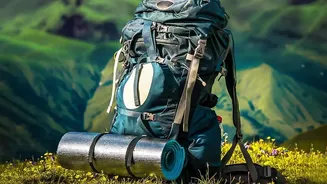
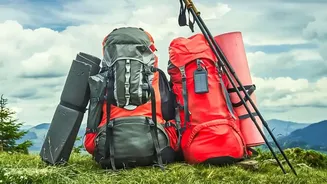
While an external rain cover is essential, internal waterproofing is just as crucial. This is your backup plan. Use several dry bags or heavy-duty plastic bags to compartmentalize your gear inside your rucksack. Have one for electronics, one for your spare dry clothes, one for your sleeping bag, and another for your documents and wallet. Ziplock bags are excellent for smaller items like your phone, power bank, and camera batteries. This layering system ensures that even if your main pack gets damp, your most critical items remain completely dry. Some trekkers even use silica gel packets in their electronics bags to absorb any ambient moisture.
Health and Safety Kit
A first-aid kit is a non-negotiable item on any trek, but for the monsoon, it needs a few specific additions. Due to the damp conditions, you'll want to include an antiseptic, bandages, and blister treatment like moleskin. Given the prevalence of leeches in many monsoon trekking areas, carrying salt, a small bottle of sanitiser, or anti-leech socks can be very helpful. Also pack any personal medications, pain relievers, and medication for diarrhoea. Water purification tablets or a portable filter are also highly recommended, as streams may carry contaminants, especially during the rains. Finally, a headlamp or torch is crucial, as thick cloud cover can make it get dark surprisingly early.
Navigation and Other Essentials
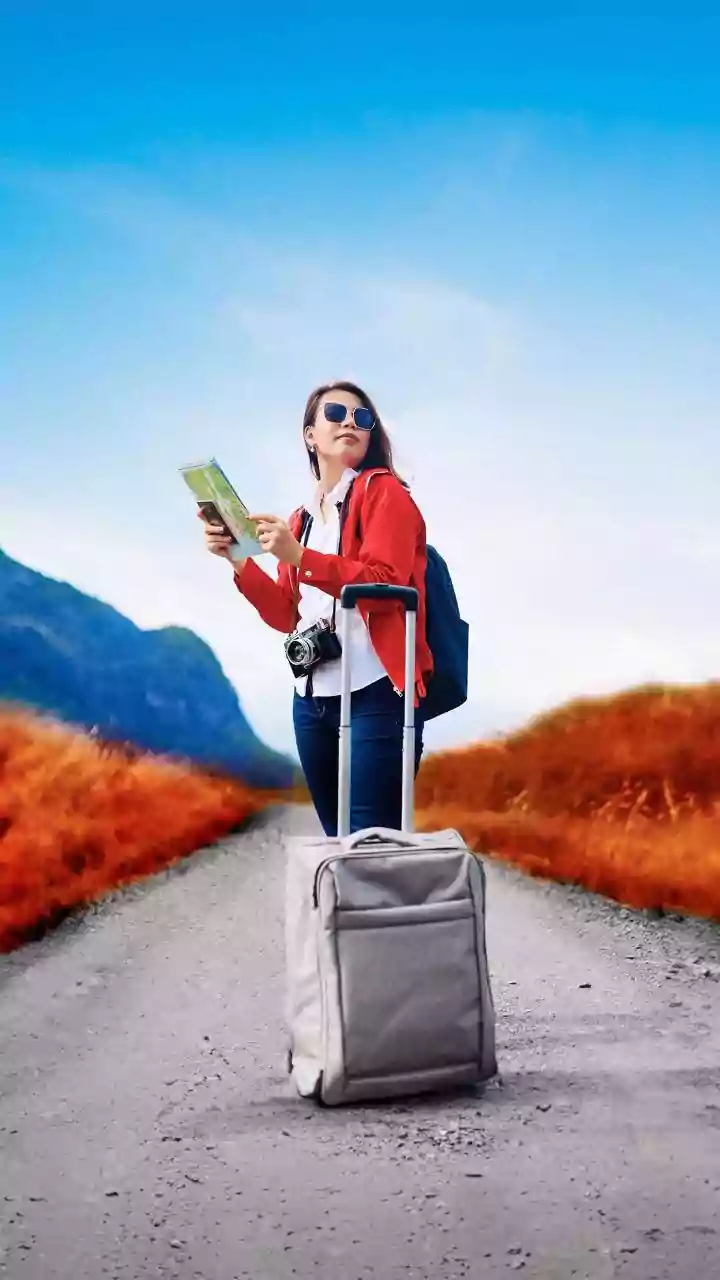
Mist and fog can dramatically reduce visibility on the trail, making it easy to get disoriented. While you should always consider trekking with a guide, carrying your own navigation tools is a smart safety measure. A waterproof map of the area and a compass are traditional, reliable tools. If you are using a GPS device or your phone for navigation, ensure it is fully charged and protected from water. A fully charged power bank, stored in a waterproof bag, is a must-have. Finally, pack a whistle for emergencies and some high-energy snacks like nuts and energy bars to keep you going on the trail.