



From Sightseeing to 'Sight-Doing'
For decades, the classic holiday involved visiting landmarks and taking photos. But a significant shift is underway. Modern travellers, particularly millennials and Gen Z, increasingly prioritise 'experiential travel'. This approach moves beyond passive
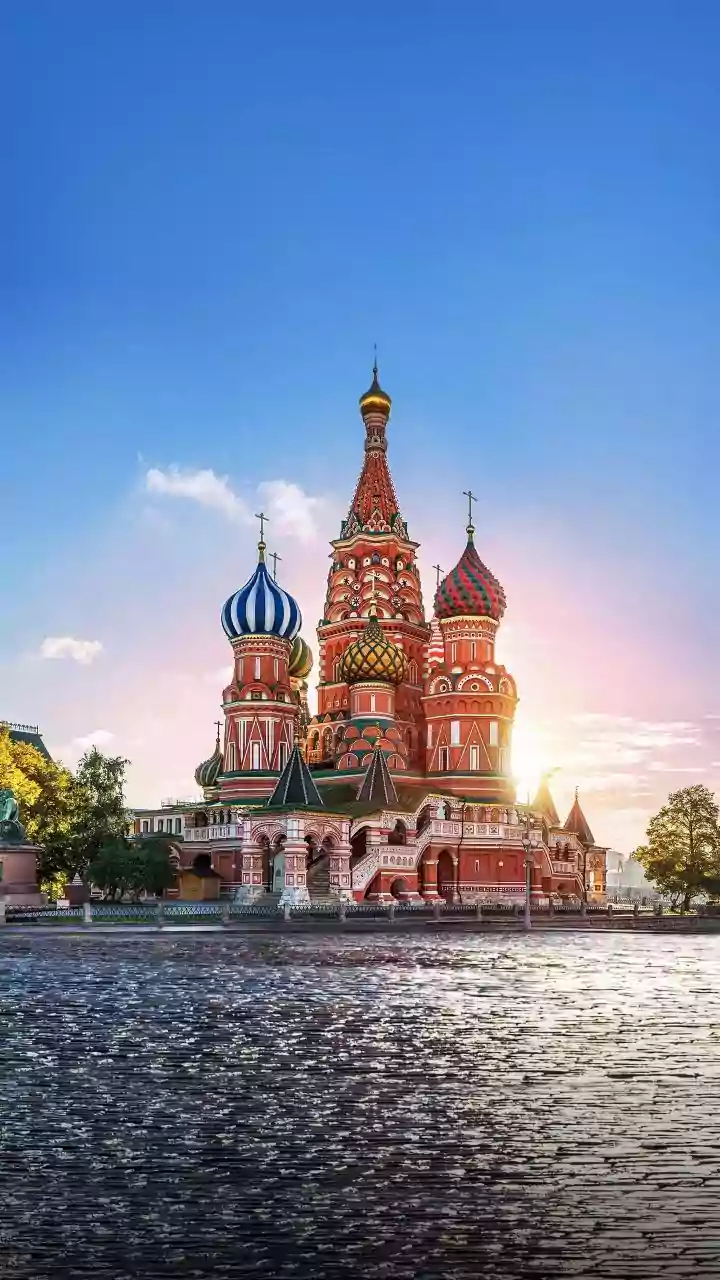
observation to active participation. It’s the difference between seeing a local market and taking a cooking class with a local chef, or looking at a historic site versus participating in a cultural festival. The goal is no longer just to see a place, but to feel its heartbeat, engage with its culture, and create meaningful, personal moments. This isn't about rejecting iconic sights, but about adding a layer of immersive activity that leads to a deeper connection and more lasting memories.
Oktoberfest: The Original Immersive Experience
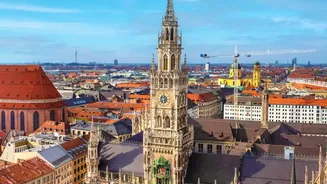
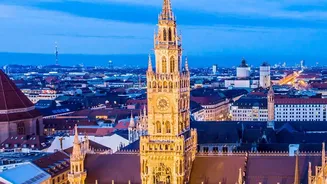
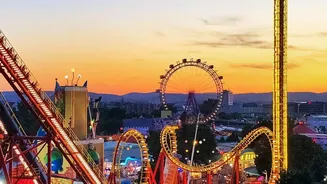
Long before 'experiential travel' became a buzzword, Oktoberfest was already mastering the concept. The annual festival, which attracts around six million visitors, is not a spectator sport. It's a full-body immersion into Bavarian culture. Visitors don traditional attire like dirndls and lederhosen, sit at communal tables with strangers, sing along to folk music, and partake in food and beer brewed specifically for the occasion. This active participation is what separates it from a standard tourist attraction. You don't just watch Oktoberfest; you become part of it. The shared joy and camaraderie in the massive beer tents create a powerful sense of unity among people from all over the globe.
The Search for Authentic Connection
In an increasingly digital world, there's a growing hunger for genuine human connection and authenticity. Experience-led travel directly answers this need. While a massive event like Oktoberfest is highly commercialised, it provides a powerful dose of perceived authenticity. The traditions, from the ceremonial tapping of the first keg to the specific types of beer served, are rooted in over 200 years of history. This allows attendees to feel they are part of a living tradition, not a manufactured event. The trend is also reflected in booking patterns for 2026, which show a rise in solo travellers to the festival, suggesting people are confident they can arrive alone and find community.
A Global Shift in Travel Priorities
Oktoberfest is a high-profile example, but it's part of a much larger trend. Travellers are increasingly planning trips around a desired feeling or activity, rather than just a destination. This could mean wellness retreats focused on community, multi-day hikes, train journeys chosen for the scenic experience, or trips to see the Northern Lights. The common thread is a move away from generic bucket lists and toward personal, passion-led journeys. These experiences are seen as so valuable that many younger travellers consider them a 'non-negotiable' expense. This shift benefits local economies by encouraging tourists to spend on authentic interactions, from guides to artisans, creating a more sustainable model for tourism.