





The Monsoon's Moisture Onslaught
The primary reason for high indoor humidity is simple: the outside air is saturated with moisture. During the monsoon, wind patterns shift, carrying moisture-rich air from the ocean over the land. This dramatic increase in atmospheric moisture means that
every time you open a door or window, you are inviting this excessively humid air into your home. Unlike dry winter air, this air is already carrying a heavy water load, setting the stage for a damp indoor environment.
The Indoor Moisture Trap
Once humid air gets inside, it often struggles to get out. Many modern homes are built to be well-sealed to keep cool air in and heat out. While great for air conditioning efficiency, this can lead to poor ventilation. Without a steady exchange of indoor and outdoor air, moisture gets trapped. Everyday activities then add even more water vapour to this contained environment. The steam from cooking, hot showers, and even the simple act of breathing contributes to the rising humidity levels within your four walls.
The Science of Condensation
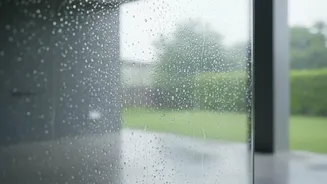
High humidity alone is just part of the story. The truly damp feeling comes from condensation. When warm, moist air comes into contact with a cooler surface, the air is cooled to its 'dew point'—the temperature at which it can no longer hold all its water vapour. This excess moisture then turns into liquid water droplets. You can see this on a cold glass of water, and the same thing happens in your home. Cooler surfaces like tiled floors, mirrors, window panes, and walls can trigger condensation, making them feel wet to the touch and contributing to that overall feeling of dampness.
How Your Home Itself Contributes
The very structure of your home can play a role. Porous materials like concrete, brick, and plaster can absorb moisture from the outside environment. During prolonged rainy periods, these materials can become saturated and slowly release that moisture into your indoor space. Furthermore, any unidentified leaks in plumbing, roofs, or around window frames can provide a constant source of water, exacerbating dampness and creating prime conditions for mould and mildew.
Fighting Back: How to Reclaim Your Home
While you can't stop the rain, you can manage indoor humidity. The most effective tool is a dehumidifier, which actively pulls moisture from the air. Running your air conditioner also helps, as the cooling process naturally removes humidity. Strategic ventilation is key; open windows and doors for cross-ventilation when the rain stops and the air outside feels drier. Always use exhaust fans in the kitchen while cooking and in the bathroom after a shower to expel steam immediately. Avoid drying clothes indoors if possible, as this releases a large amount of moisture into the air. For persistent issues, placing moisture absorbers like silica gel or activated charcoal in closets and small spaces can also help.