





The Allure of a Rain-Soaked Trail
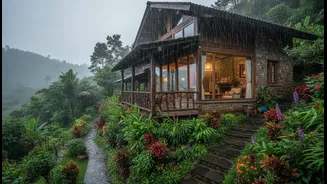
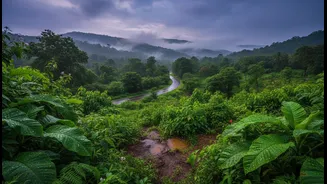
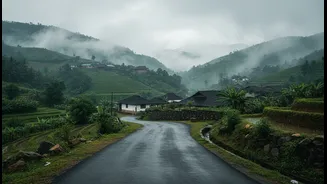
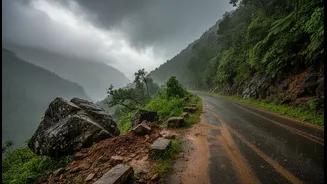
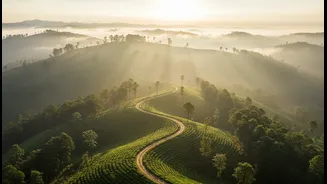
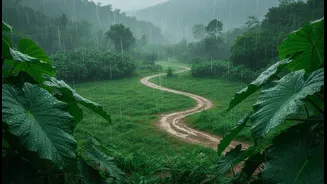
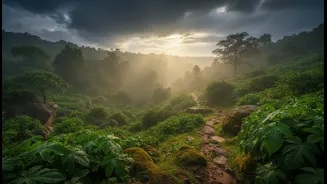
For a growing number of backpackers in India, the monsoon season is no longer a time to stay indoors. Instead, it’s an invitation. They are trading crowded tourist hotspots for the quiet, rain-drenched trails of rural districts. The appeal lies in a landscape
transformed; dusty summer trails give way to lush green carpets, sleepy streams become energetic waterfalls, and the air fills with the earthy scent of wet soil. This seasonal shift offers a different kind of beauty, one that is dramatic, fleeting, and feels more authentic. Backpackers find that travelling during the monsoon often means fewer crowds and lower costs, allowing for a more intimate connection with both nature and local communities. It’s a chance to see India’s famed hill stations and countrysides, from the Western Ghats to the Himalayas, in their most vibrant and lively state.
A Carpet of Wildflowers
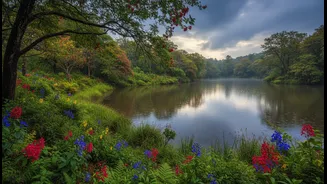
The primary draw for these monsoon journeys is the explosion of diverse and often rare flora. High-altitude meadows and plateaus, dormant for most of the year, burst into colour. Locations like the Valley of Flowers in Uttarakhand and the Kaas Plateau in Maharashtra become natural canvases, blanketed with hundreds of species of wildflowers. Treks to alpine lakes in Kashmir or Himachal reveal meadows shimmering with blossoms, a stark and beautiful contrast to the rugged mountain peaks. This botanical spectacle is not just beautiful; it’s a time-sensitive event. Many of these plants, like specific orchids and wild balsams in the Western Ghats, have life cycles intricately tied to the monsoon, germinating and blooming only during the rains. For a nature lover, witnessing this is like attending a special, limited-time exhibition staged by nature itself.
More Than Just a Pretty View
The interest for today's eco-conscious backpacker goes beyond aesthetics. This abundance of flora is the foundation of a thriving ecosystem. These seasonal blooms support a variety of insects and bees, which in turn are crucial for the region's biodiversity. The health of these flowering plants is a direct indicator of the ecological well-being of the area. For a traveller who values sustainability, being in such an environment is a powerful experience. It’s an opportunity to witness a healthy, functioning ecosystem up close. Recent reports show a significant rise in Indian travellers wanting to travel more sustainably, with many expressing a desire to leave the places they visit better than they found them. Visiting these fragile, biodiverse zones reinforces the importance of conservation and responsible tourism.
The Backpacker's Eco-Conscious Creed
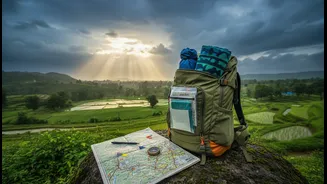
This trend is defined as much by the destination as by the mindset of the traveller. The eco-conscious backpacker is not a passive tourist but an active participant in conservation. They adhere to principles like 'Leave No Trace,' ensuring they don't disturb the delicate flora. This means sticking to marked trails, carrying out all waste, and avoiding the temptation to pick flowers. This approach aligns with a growing movement in India where younger travellers are prioritising authenticity and sustainability over luxury. They often choose to stay in local homestays and hire local guides, ensuring that their travel spending directly benefits the rural communities that act as guardians of these natural landscapes. This conscious choice helps reduce environmental impact while fostering a deeper connection with the destination.
The Shift Towards Regenerative Travel
This niche trend is part of a larger global shift from sustainable tourism to regenerative travel. While sustainability aims to do no harm, regeneration focuses on actively improving a place. Travellers are increasingly seeking experiences that contribute positively to the local environment and culture. Initiatives like community-based ecotourism in Kerala and organic farm stays in Uttarakhand are early examples of this model in India. By choosing to visit remote areas during the monsoon, backpackers are not only witnessing a natural wonder but are also providing off-season income to rural economies that might otherwise be overlooked. This form of travel sees visitors as participants in the well-being of a destination, helping to preserve the very beauty that draws them there.