

The End of the ‘Shelfie’ Era
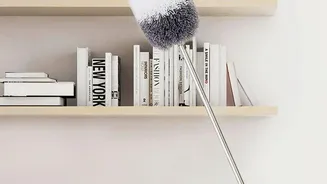
You know the look: bookshelves arranged by colour, not author; stacks of curated hardcovers acting as pedestals for tiny, quirky objects; and trailing plants weaving through it all. This was the era of the 'shelfie,' a maximalist approach to display also
known as 'cluttercore.' It dominated social media feeds as a way to showcase personality, memories, and a life well-lived through objects. The philosophy was simple: more is more. Every surface was an opportunity to tell a story, to layer meaningful items, and to create a cozy, lived-in cocoon. The trend celebrated individuality and pushed back against the stark, impersonal looks that had come before. For a time, it felt authentic and expressive, a beautiful mess that was uniquely yours.
A Backlash to Visual Busyness
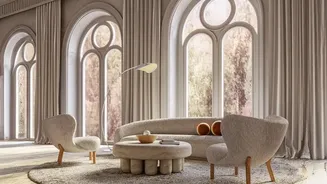
However, a collective craving for calm is beginning to rewrite our interior design preferences. The move away from the over-styled shelf is part of a larger trend reversal, a reaction against the constant visual noise of both our digital and physical lives. Designers and homeowners are finding that rooms filled to the brim, however artfully, can contribute to a sense of being overwhelmed. This shift aligns with the rise of 'quiet luxury,' a design ethos focused on high-quality materials, craftsmanship, and restraint over overt displays of branding or excess. It suggests a growing desire for our homes to be restorative sanctuaries rather than performance spaces. The focus is shifting from what we can add to what we can thoughtfully take away, creating rooms that allow the mind to rest.
The Power of Negative Space
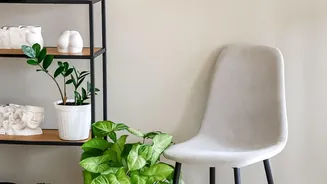
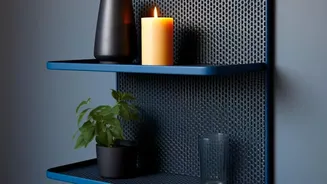
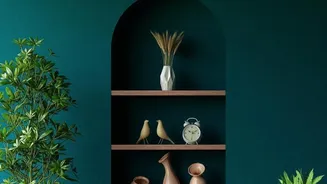
The hero of this new chapter in design is negative space—the empty areas around and between objects. Far from being vacant or wasted, this space is an active and powerful design element. It provides 'breathing room,' allowing the eye to focus on and appreciate the items that are chosen to be displayed. In contemporary design, leaving parts of a shelf empty is a deliberate choice that prevents visual clutter and cultivates a sense of calm and order. This principle reduces stress by decreasing the amount of visual information our brains have to process. Ultimately, a little bit of emptiness can make the objects you truly love feel more significant and the entire room feel more luxurious and composed.
How to Embrace Intentional Editing
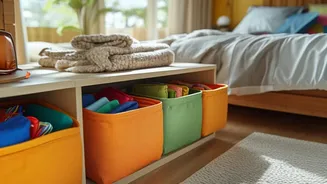
Adopting this less-is-more approach doesn't require a ruthless decluttering. Instead, it’s about intentional editing. Start with a clean slate by temporarily removing everything from a shelf. Then, begin to place items back with a 'quality over quantity' mindset. Choose a few high-quality, meaningful pieces that you want to highlight rather than filling every inch. Vary the form and scale of objects, mixing books with sculptural pieces or personal mementos to create interest without overwhelming the space. Try grouping similar items together and stick to a limited colour palette to maintain a cohesive, calming look. The goal isn’t to create a sterile, empty home, but to curate a space where your favourite things have room to shine.
A Reflection of a New Mindset
This trend reversal is more than just a passing aesthetic preference; it reflects a broader cultural shift. The move towards empty space is intertwined with a growing disillusionment with 'fast furniture' and disposable decorating trends that feel temporary and wasteful. There's a renewed appreciation for longevity, craftsmanship, and pieces that are meant to last. Warm minimalism, as it's being called, is not about cold, empty rooms but about creating soulful spaces that feel curated yet comfortable. It suggests a desire to live more intentionally, valuing peace over performance and quiet comfort over curated chaos. Our homes are a reflection of our priorities, and for many, the ultimate luxury is no longer a shelf full of things, but a little room to breathe.