






The Midnight Feast Goes Mainstream
Not long ago, finding a hot meal after 11 p.m. was a challenge reserved for a few all-night cafes. Today, it's a booming business. Driven by lifestyle shifts, especially among younger urbanites, the period from 11 p.m. to 3 a.m. has become a new frontier
for food service. Food delivery apps report that late-night order volumes have doubled over the past year, with recent surges of 12-15% linked to events like the FIFA World Cup. This isn't just a metro phenomenon. While cities like Bengaluru, Hyderabad, and Mumbai lead the charge, emerging markets such as Surat, Patna, and Thiruvananthapuram are also seeing significant growth in late-night orders. This indicates a widespread cultural shift where the traditional 9 p.m. dinner is no longer the final meal of the day.
Welcome to the 'Fourth Meal' Economy
This trend has given rise to what industry analysts call the "fourth meal"—a distinct eating occasion between dinner and breakfast. Driven by late-night work schedules, binge-watching entertainment, and gaming, this new demand period is a golden opportunity for restaurants to monetize historically slow hours. Desserts, in particular, are a massive driver of this economy, with orders for items like ice cream and brownies growing 25-35% annually during late-night slots. It's an affordable indulgence that platforms actively encourage with targeted notifications and 'midnight craving' sections, creating a new, highly profitable revenue stream for many eateries.
The Kitchen Never Sleeps
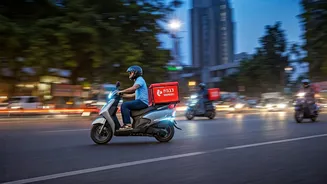
To meet this demand, restaurants are overhauling their operations. Major chains like McDonald's and Domino's now keep a significant number of their outlets open until 3 a.m. in key markets, with some highway locations running 24/7. This has also fueled the explosion of cloud kitchens, or 'ghost kitchens', which are delivery-only establishments without a physical storefront. These kitchens are designed for efficiency and can operate at hours traditional restaurants cannot. However, the shift is not without challenges. Extending hours means navigating logistical hurdles like managing late-night staff, ensuring a consistent supply chain, and dealing with the limited availability of delivery riders during odd hours, which can sometimes lead to longer wait times.
Data, Not Guesswork, Dictates Hours
In the past, a restaurant owner's decision to stay open late was based on intuition. Now, it's driven by data. Food delivery apps provide partners with a treasure trove of analytics on order patterns, demand hotspots, and peak timings. This allows restaurants to make precise, data-backed decisions about when to operate, what to feature on their late-night menu, and where to focus their marketing efforts. By analyzing historical data, platforms can even predict demand surges, helping kitchens manage inventory, reduce food waste, and optimize staffing. This data-driven approach removes the guesswork, enabling even smaller outlets to compete effectively in the late-night market.
The New Economic Equation
While extended hours and a new customer base offer clear revenue benefits, the economics for restaurants are complex. Partnering with aggregators like Zomato and Swiggy provides invaluable reach and marketing without heavy upfront investment, which has been a lifeline for many smaller eateries, especially in Tier-II and Tier-III cities. However, this partnership comes at a cost. Restaurants face hefty commission fees, which can range from 20% to over 35%, along with pressure to participate in deep discount campaigns that further eat into their margins. As a result, many restaurants are caught in a delicate balancing act: leveraging the massive user base of apps while trying to maintain their profitability in an increasingly competitive, convenience-driven market.