







What is 'Experience-Led' Retail?
At its core, 'experience-led' or 'experiential' retail is a strategy where physical stores offer customers more than just products on a shelf. [2] The goal is to create a memorable and engaging event that fosters an emotional connection with the brand.
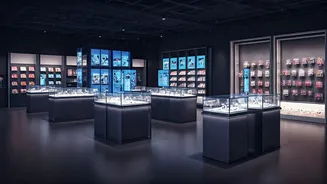
[6] Instead of focusing purely on a sale, this approach prioritises customer engagement through immersive and interactive elements. [4, 5] Think of a store transforming into a community hub with workshops, a tech haven with virtual reality try-ons, or a stage for live events. [2, 7] It’s about giving people a reason to visit a physical store in an age dominated by e-commerce, making the shopping journey itself the main attraction. [3]
The 'Phygital' Fusion: Blending Clicks and Bricks
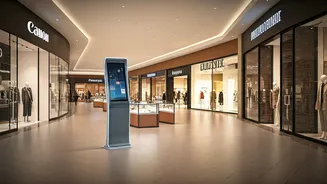
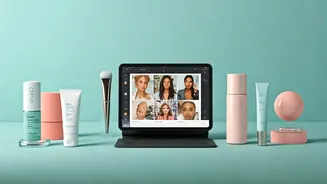
A key driver of this evolution is the blending of the physical and digital worlds, a concept known as 'phygital' retail. [26] This is more than just having a website and a store; it’s about creating a seamless journey between the two. [22] Examples are becoming common in India and abroad, such as buying online and picking up in-store (BOPIS), using interactive kiosks to browse an 'endless aisle' of products not physically present, or smart fitting rooms that allow you to request different sizes via a touchscreen. [27] Brands like Nykaa in India successfully use this model, allowing customers to research online, read reviews, and then test products in a physical store before buying. [26] This strategy leverages technology not to replace the store, but to enhance it, giving customers convenience and choice. [28]
Why the Big Shift Now?
Several factors are fuelling this change. The relentless growth of online shopping means brick-and-mortar stores must offer something that e-commerce cannot: a tangible, human experience. [4] Furthermore, consumer expectations have evolved. Studies show that a majority of shoppers, particularly Millennials and Gen Z, value experiences over possessions. [2, 8] They seek authentic connections with brands and are more likely to be loyal to those that provide a memorable journey. [22] Retailers have recognised that a positive customer experience is a powerful competitive advantage, with some research suggesting it's more important than price and can lead to significantly higher revenue. [18, 21]
The Indian Context: A Tech-Powered Transformation
The Indian retail sector, valued at approximately ₹75 lakh crore and growing rapidly, is a hotbed for this transformation. [16] Indian retailers are actually outpacing their global counterparts in adopting technologies like Artificial Intelligence (AI) to enhance customer experiences and streamline operations. [12] AI is being used for everything from hyper-personalisation and demand forecasting to creating virtual customer assistants. [19] Government initiatives like Digital India have also accelerated this shift, making technology more accessible. [25] Even traditional Kirana stores are adopting 'phygital' models, using UPI for payments and social media for engagement, proving that this trend cuts across all segments of retail. [29]
What Does the Future Hold?
Looking ahead, the trend is set to deepen. Expect more hyper-personalisation, where AI anticipates your needs before you're even aware of them. [8] The fusion of shopping and entertainment, or 'shoppertainment,' will likely grow, with more brands hosting influencer-led live-stream shopping events. [8] Flagship stores will act less like points of sale and more like brand embassies, designed to tell a story and build a community. [5, 17] Simple pop-up stores might be replaced by more meaningful, educational workshops or community-based events that are tailored to local tastes. [17] The store of the future is not a warehouse for products, but a vibrant stage for brand experiences.