






Rethinking Your Workout Fuel
For years, brightly coloured commercial sports drinks have been the go-to for athletes and fitness enthusiasts. While they promise to replenish lost electrolytes, they often come with a high sugar content, artificial colours, and flavours. This has led
many to seek out healthier, more natural alternatives that can be made at home with simple, readily available ingredients. The goal is to hydrate effectively and restore mineral balance without the unnecessary additives. Understanding what your body loses during a workout—primarily water and electrolytes like sodium and potassium—is the first step toward creating a smarter hydration strategy that supports your fitness goals.
The Power of Coconut Water
Coconut water, often called 'nature's sports drink', serves as the perfect base. It's naturally rich in electrolytes, especially potassium, a mineral crucial for muscle function and preventing cramps. In fact, coconut water can contain significantly more potassium than many leading sports drinks. While commercial drinks are often formulated with higher levels of sodium, coconut water's strength lies in its potassium content, which works in partnership with sodium to maintain the body's fluid balance. It provides natural sugars for a gentle energy boost and is generally easy on the stomach, avoiding the nausea that some sugary sports drinks can cause.
The Essential Role of Rock Salt
While coconut water is a potassium star, sodium is the primary electrolyte lost through sweat. This is where rock salt, or sendha namak, comes in. Adding a pinch of this unrefined salt is crucial for turning coconut water into a more complete workout drink. Sodium helps the body retain fluid, supporting proper hydration, nerve signalling, and muscle contractions. Using rock salt is often preferred because, unlike processed table salt, it contains trace amounts of other minerals like magnesium and calcium, which can further aid in preventing muscle cramps and supporting overall function. This simple addition helps create a more balanced electrolyte profile, closer to what your body actually needs during intense activity.
A Squeeze of Lemon for an Extra Kick
The final ingredient, a squeeze of fresh lemon, does more than just add a refreshing, zesty flavour. Lemons are a great source of Vitamin C, an antioxidant that helps protect the body. Adding lemon juice can also make the drink more palatable, encouraging you to drink more and stay better hydrated. Some traditional practices suggest that the acidic nature of lemon, which becomes alkalizing after digestion, can help balance the body's pH levels when combined with alkaline coconut water. This simple, natural trio of ingredients works synergistically to create a hydrating and replenishing beverage.
Your Simple Homemade Power Drink Recipe
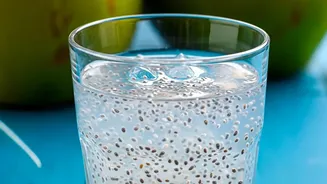
Creating your own sports drink is incredibly easy and takes just a minute. You can adjust the ingredients to your personal taste and workout intensity. Base Recipe: 500 ml (about 2 cups) of unsweetened coconut water Juice of half a lemon A generous pinch (about 1/4 teaspoon) of rock salt (sendha namak) Optional: 1 teaspoon of honey or maple syrup for extra energy during long workouts. Instructions: Simply combine all the ingredients in a bottle or glass, and shake or stir until the salt is fully dissolved. For best results, serve it chilled. You can make a larger batch and store it in the refrigerator for up to three days.
When to Drink for Best Results
The ideal time to consume your homemade sports drink depends on the duration and intensity of your workout. For moderate exercise lasting under an hour, plain water is often sufficient. However, for longer or more intense sessions, especially in hot weather, this electrolyte drink is highly beneficial. Consider drinking a small amount about 30-60 minutes before you start to pre-hydrate. During your workout, take small sips every 15-20 minutes to continuously replenish lost fluids and minerals. Finally, drinking a glass after your workout will help restore your electrolyte balance and support muscle recovery.