







What Exactly Is Active Recovery?
At its core, active recovery is simple: it’s the practice of engaging in low-intensity exercise after a more strenuous workout. Think of it as a cool-down for your entire body, performed either immediately after a session or on a dedicated “rest” day.
Unlike passive recovery, which involves complete rest, the goal of active recovery is to keep your body moving gently. This helps to increase blood flow, deliver oxygen to tired muscles, and clear out metabolic byproducts that can cause soreness. It’s the difference between hitting a full stop and gently coasting to one, allowing your body to repair itself more efficiently without the added strain of another tough workout.
Why is Everyone Talking About It?
The new push for active recovery reflects a broader cultural shift in wellness. Fitness is increasingly viewed as a lifelong pursuit, not just a short-term blitz. Athletes and everyday fitness enthusiasts alike are realizing that sustainable progress is built on a balance of stress and restoration. The rise of fitness trackers that monitor sleep and recovery metrics has also made people more aware of their body's readiness to perform. As elite athletes share their sophisticated recovery routines, from massage guns to compression boots, the average gym-goer has become more interested in optimizing their downtime, recognizing that what you do between workouts is just as important as the workout itself.
The Gentle Power of Foam Rolling
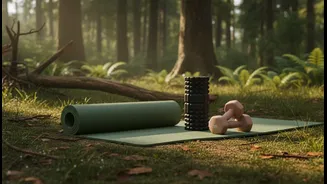
Foam rolling, a form of self-massage also known as self-myofascial release, is one of the most popular active recovery tools. By rolling a specific muscle group over a foam cylinder, you apply pressure that can help release tightness and break up knots in the fascia, the connective tissue surrounding your muscles. This process is believed to increase blood flow to the targeted area, which aids in healing and can reduce muscle soreness, particularly when done within 24-48 hours of exercise. Research has shown that foam rolling can improve flexibility and range of motion without hurting muscle performance, making it a valuable addition to both warm-ups and cool-downs.
Swimming: The Gold Standard of Recovery
Swimming is often considered one of the best forms of active recovery, and for good reason. The buoyancy of water supports your body, taking the impact and stress off your joints, bones, and tired muscles. This low-impact environment allows for full-body movement that promotes blood circulation without the strain of a land-based workout. The natural hydrostatic pressure of the water can also help reduce swelling and inflammation, while the gentle resistance helps stretch and relax muscles. A light swim or even just walking in a pool can help your body recover faster, reduce soreness, and even provide a meditative mental break.
Other Easy Ways to Recover Actively
Beyond foam rollers and pools, there are plenty of accessible ways to practice active recovery. A brisk walk, a gentle bike ride, or a session of yoga or dynamic stretching are all excellent options. The key is to keep the intensity low and the duration manageable—around 20 to 30 minutes is often effective. You should be able to hold a conversation comfortably throughout the activity. These light sessions help reduce muscle stiffness and keep your body feeling agile without adding fatigue, making it easier to stay consistent with your training schedule.
Making It Part of Your Routine
Integrating active recovery is straightforward. Schedule these lighter sessions on your designated rest days, especially after a particularly challenging workout. If you trained your legs hard on Monday, a gentle swim or bike ride on Tuesday can work wonders. Listen to your body—active recovery shouldn't feel like a chore or another grueling session. The goal is to feel better, looser, and more refreshed afterwards. By reframing your rest days as strategic recovery days, you can prevent overtraining, reduce your risk of injury, and ultimately achieve your fitness goals faster and more sustainably.