







The Scent of Tranquility
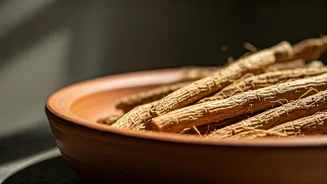
If you’ve ever yearned for a fragrance that smells like a damp forest floor after the first rain, or the comforting scent of rich, loamy earth, you’re searching for vetiver. Known in India as ‘khus,’ vetiver (Chrysopogon zizanioides) is a tall, perennial
grass, but its magic lies hidden underground. The complex, fibrous root system yields one of the most profound and grounding essential oils in the world of perfumery and aromatherapy. Its scent is a masterclass in complexity: smoky, woody, green, and deeply earthy. It’s a far cry from fleeting top notes; vetiver is a base note, known for its ability to linger and provide a solid, calming foundation. This has earned it the nickname ‘the oil of tranquility,’ a scent that doesn’t just perfume a room but seems to anchor it.
Deep Roots in Indian Culture
Vetiver is not a new discovery; it has been woven into the fabric of Indian life for centuries. Long before it became a prized ingredient in international perfumes, its roots were used for their practical and aromatic properties. In the scorching heat of the Indian summer, mats and screens woven from vetiver roots were hung in doorways and windows. When sprinkled with water, they would cool the passing air while releasing their signature earthy fragrance, acting as nature’s own air conditioner. The roots were also used in traditional Ayurvedic medicine for their calming and cooling effects. This deep cultural heritage means that for many in India, the scent of vetiver is not just a fragrance—it’s the smell of relief, of home, and of a deep connection to the earth.
What Makes a Cone ‘Artisan’?
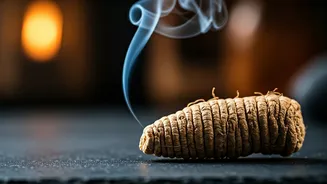
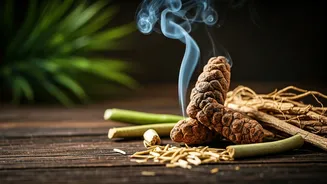
While you can find vetiver in many forms, artisan-made cones offer a uniquely rustic and potent experience. Unlike mass-produced incense sticks that often rely on synthetic fragrances and chemical binders, artisan vetiver cones are typically crafted with a ‘less is more’ philosophy. The process usually involves sun-drying the vetiver roots, grinding them into a coarse powder, and then binding this powder together with other natural materials like gum resins and wood powders. This paste is then hand-rolled into a conical shape and left to dry naturally. The result is a product that is pure and unadulterated. When you burn an artisan cone, you are not smelling a chemical interpretation of vetiver; you are smelling the root itself, releasing its complex, smoky essence in a slow, deliberate burn.
Creating Your Sanctuary
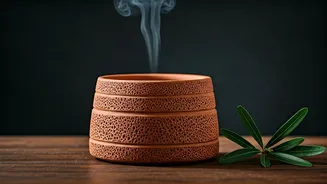
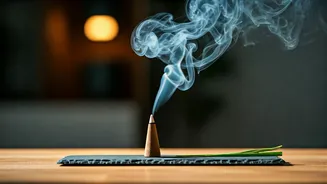
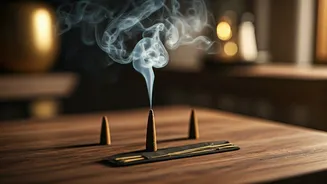
The true beauty of a vetiver cone lies in the ritual. This is not a scent to be rushed. Find a quiet corner of your home, place the cone on a heat-proof dish or holder, and light the tip. Allow the flame to burn for a few seconds before gently blowing it out. The cone will then begin to smoulder, releasing a plume of fragrant smoke. The initial scent is often intensely smoky, but as the smoke dissipates, it leaves behind the rich, grounding aroma of vetiver that can linger for hours. It’s the perfect accompaniment to activities that require focus and calm, such as meditation, yoga, reading, or simply unwinding after a long day. It’s a powerful tool for shifting the energy in a space, transforming a chaotic room into a serene sanctuary.