





The New Monsoon Mindset
For years, the monsoon season has been India's unofficial season of romance, perfect for newlyweds. The appeal is obvious: lush green landscapes, cooler temperatures, and fewer crowds. But a new, more cautious approach is taking hold. With recent news
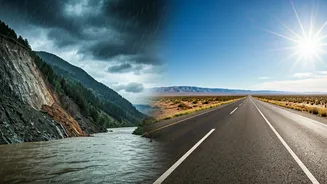
of unpredictable and heavy rainfall, particularly in hilly regions, couples are no longer just packing their bags with romantic notions; they're arming themselves with weather apps and backup plans. The India Meteorological Department (IMD) regularly issues alerts for heavy rainfall, which can lead to landslides and flash floods in vulnerable areas like Uttarakhand and Himachal Pradesh. This heightened awareness means that the dream of a secluded, off-the-grid monsoon escape is being replaced by a more practical, safety-conscious mindset.
From High-Risk Hills to Safer Havens
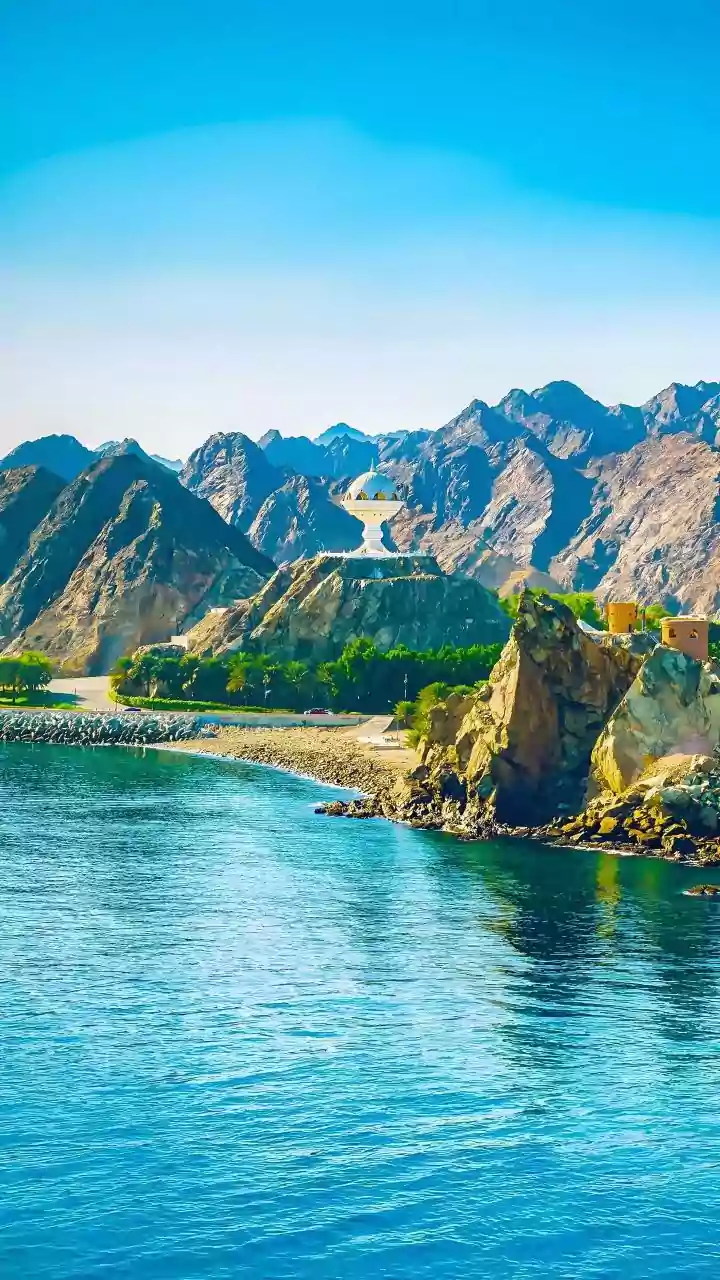
Traditionally popular honeymoon spots in the Himalayas, while stunning, are now viewed with caution during peak monsoon months. The risk of landslides and road closures is a significant concern for travellers. As a result, there's a discernible shift towards destinations perceived as safer. Rain-shadow regions like Ladakh and Spiti, which receive minimal rainfall, are gaining popularity for those who want the mountain experience without the monsoon's fury. Closer to the plains, destinations in Rajasthan like Udaipur offer a royal, romantic experience with only moderate rainfall, making them an attractive alternative. The focus is now on destinations with reliable infrastructure and connectivity, ensuring that a romantic getaway doesn't turn into a logistical nightmare.
Well-Managed Green Escapes
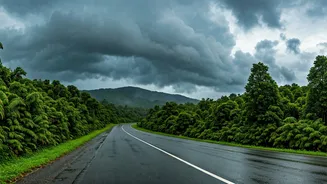
This doesn't mean abandoning the green, rain-drenched dream entirely. Many destinations in the Western Ghats and South India remain popular, but with a new emphasis on accessibility and good management. Hill stations like Coorg, Munnar, Mahabaleshwar, and Ooty continue to attract couples, as their main tourist infrastructure generally holds up well during the rains. These areas offer the classic monsoon experience—misty tea gardens, powerful waterfalls, and verdant hills—but are often easier to reach and evacuate if necessary compared to more remote Himalayan locations. The key is choosing well-connected towns and resorts rather than isolated homestays that could get cut off during a heavy downpour.
Your Monsoon Honeymoon Safety Checklist
Planning a safe and romantic monsoon honeymoon is entirely possible with a bit of preparation. The first rule is to stay updated with weather forecasts from official sources like the IMD. When booking, opt for flexibility; refundable flights and hotels can save a lot of stress if plans need to change. Packing is also crucial: include quick-drying clothes, waterproof footwear, and a waterproof bag for all your electronics and documents. A basic first-aid kit with remedies for common monsoon ailments is a must. Finally, always choose well-maintained accommodation and avoid street food to prevent water-borne illnesses, which are more common during this season.
Travel Smart, Love Freely
The travel industry is also adapting to this new reality. Many travel agents now proactively advise clients on safer destinations and the importance of travel insurance that covers weather-related disruptions. Instead of pushing remote, adventurous spots, the focus is on curated experiences that balance romance with reliability. This might mean suggesting a luxury resort with all-weather access over a quaint but inaccessible cottage, or recommending a boat ride on a calm lake in Udaipur over a trek on a slippery mountain path. This safety-first approach ensures that couples can focus on what matters most—each other—without worrying about being stranded.