


The Charm of Shell Planters
Using seashells as pots is a creative way to bring a bit of the seaside indoors. It’s an appealing project for gardeners looking to display small plants in an unusual way. Large, deep shells like those from whelks or conches can house a single tiny plant,
turning a beach souvenir into a living piece of art. The key to success lies in understanding the constraints. Shells offer very little soil volume and can have drainage issues, which means not just any plant will do. The ideal plant must be small, grow slowly, and, most importantly, have a shallow root system that won’t quickly become restricted. Choosing the right plant ensures your miniature garden will flourish rather than falter.
Perfectly Suited: Succulents
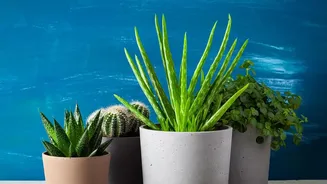
Succulents are often the first choice for shell planters, and for good reason. These desert plants are adapted to dry conditions and store water in their leaves, meaning they don't require much water. Many varieties have shallow root systems and grow slowly, making them ideal for the confined space of a shell. Look for miniature varieties that stay compact. Echeverias that resemble small roses, tiny hybrid aloes, and various Sedums are excellent choices. For soil, use a gritty, fast-draining cactus or succulent mix to prevent water from pooling around the roots. It’s also wise to drill a small drainage hole in the bottom of the shell to let excess water escape, which is crucial for preventing root rot.
Effortless Elegance: Air Plants
For the ultimate low-maintenance shell garden, look no further than air plants (Tillandsia). These fascinating plants are epiphytes, meaning they don't need any soil to grow. They absorb moisture and nutrients from the air through special cells on their leaves. This makes them perfectly suited for nestling into a seashell without any potting medium. You can simply place the air plant inside the shell's opening or use a small dab of waterproof glue to secure it. Care is simple: soak the entire plant for about an hour once a week or mist it several times a week, especially in dry indoor environments. After watering, gently shake out any excess water from the plant and shell and allow it to dry in a spot with good air circulation to prevent rot.
Trailing Treasures and Tiny Herbs
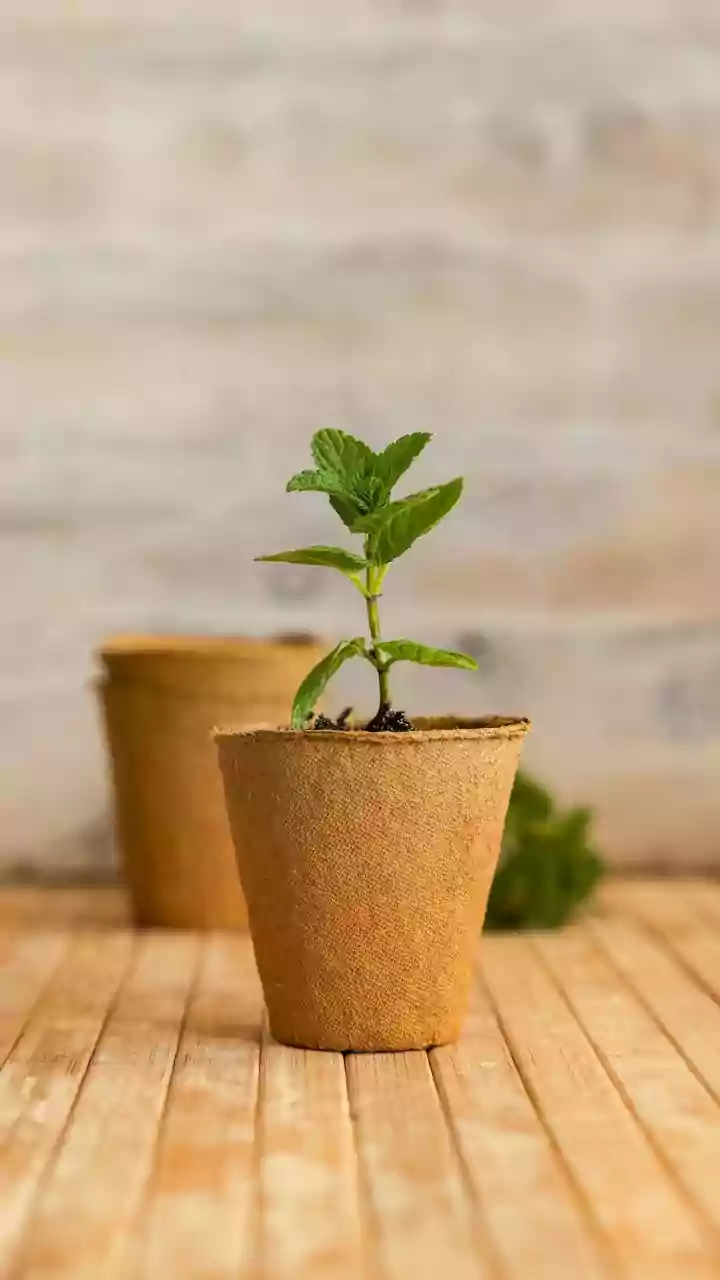
Don't overlook small trailing plants, which can create a lovely cascading effect from a shell planter. A 'String of Pearls' (Senecio rowleyanus) or 'String of Buttons' (Crassula perforata) can look stunning spilling over the edge of a large conch shell. Their delicate root systems can often adapt to the limited space, provided watering is done carefully. Another interesting option for wider, more open shells is a selection of herbs with shallow root systems. Herbs like thyme or certain varieties of mint can be started from a small cutting. They will require more attentive watering than succulents but offer the added benefit of fresh fragrance in your home. When planting any of these, ensure your shell is clean and has a drainage hole to give your plant the best chance of survival.
Tips for Success
To set up your seashell planter, start by finding a shell with a suitable opening. If you plan to use succulents or herbs, drilling a small drainage hole is a critical first step to prevent waterlogging. Use a specialised potting mix, such as one designed for cacti, which drains quickly. When watering, be very conservative. It's better to underwater than to overwater in such a small container. For succulents, allow the soil to dry out completely between waterings. Air plants should be watered according to your home's humidity levels, but always be sure they dry within a few hours to prevent rot. Place your shell garden in a location that receives bright, indirect light, as direct sun can be too intense for many of these small plants, especially when housed in a shell.