







The Frictionless Spending Trap
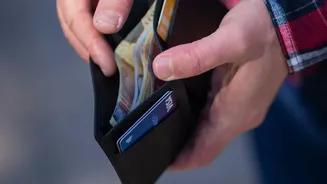
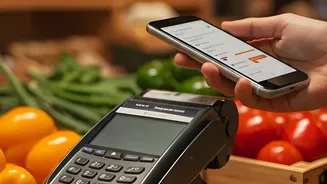
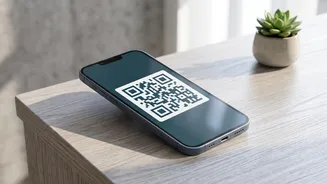
The core issue lies in psychology. Handing over a physical ₹100 note creates a small but tangible sense of loss, known as the “pain of paying.” Digital payments eliminate this completely. A quick QR code scan and a beep feel abstract and weightless, making
it easier to spend without conscious thought. The transaction is so seamless that it barely registers as a financial decision. While each payment for a coffee or snack seems insignificant on its own, their cumulative effect can dismantle a well-planned monthly budget. This phenomenon, where the ease of use encourages higher spending frequency and impulse purchases, is a well-documented side effect of modern payment systems. Recognizing this psychological trap is the first step toward regaining control.
The Reality of 'Wallet Limits'
The idea of setting a strict daily or weekly spending limit directly within your primary UPI app (like Google Pay, PhonePe, or Paytm) is an appealing one. However, it's crucial to understand that this feature generally does not exist for personal budgeting. The transaction limits you often hear about—typically ₹1 lakh per day—are high-level security caps imposed by the National Payments Corporation of India (NPCI) and your bank to prevent large-scale fraud. They are not designed to be a tool for you to set a personal micro-spend budget of, say, ₹200 a day. While some bank-specific net banking portals might allow you to lower your overall UPI transaction limit, this is a blunt instrument, not a flexible budgeting tool.
Strategy 1: The Digital Envelope System
Since you can't set the limits you want in-app, the most powerful strategy is to create your own system. The most effective is the digital version of the classic 'cash envelope' method. Open a secondary, preferably zero-balance, savings account. Link this account exclusively to the UPI app you use for daily discretionary spends. At the start of each week or month, transfer a fixed budget—for example, ₹2,000 for the week—into this account. Use this account for all non-essential payments like snacks, transport, and other small purchases. When the balance hits zero, your spending automatically stops until your next budgeted transfer. This creates a hard, non-negotiable limit that forces mindful consumption without needing complex tracking.
Strategy 2: Use UPI Lite for Petty Cash
A simpler, built-in alternative is to use UPI Lite, a feature available on most major UPI apps. Think of it as a digital petty cash drawer on your phone. You can load a specific amount of money (up to ₹5,000) from your main bank account into the UPI Lite on-device wallet. Decide on a weekly micro-budget, for instance ₹1,000, and load only that amount. Then, use UPI Lite for all your small payments. Transactions are incredibly fast, don't require a PIN for amounts up to ₹1,000, and won't clutter your main bank statement with dozens of tiny debits. This walls off your daily spending into a separate, easily tracked pool of money with its own built-in limits.
Strategy 3: The Weekly Spending Audit
Awareness is the foundation of control. If the previous strategies feel like too much work, start with a simple weekly audit. Commit to reviewing your UPI transaction history every Sunday evening. All UPI apps have a 'History' or 'Transactions' section that lists every single payment. Scroll through the past seven days and manually add up all the small, discretionary spends. Don't judge, just observe the data. Seeing that your daily ₹40 filter coffee actually cost you ₹1,200 over the month provides a powerful reality check. This exercise alone often provides the shock needed to naturally curb mindless spending in the following weeks, as the true cumulative cost is no longer invisible.