


Start With a Ruthless Declutter
Before any organization can begin, you must first edit your belongings. This is the most crucial step and costs nothing but your time. The goal is to touch every item and ask if you truly need, use, or love it. Be honest: if you haven't used something
in a year, it’s likely not essential. Start with one small area, like a single drawer or shelf, to avoid feeling overwhelmed. Create three piles: keep, donate/sell, and discard. The less you have to organize, the more organized your space will inherently feel. This process ensures you are only storing things that add value to your life, instantly freeing up precious real estate.
Think Vertically, Not Horizontally
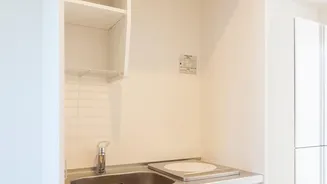
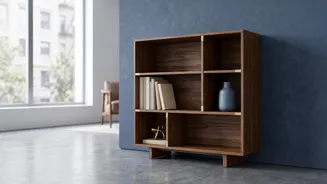
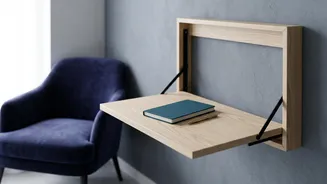
When floor space is limited, the only way to go is up. Your walls are your most underutilized asset. While the prompt is to avoid new furniture, this doesn't rule out small, high-impact additions. Simple floating shelves or narrow picture ledges installed on walls can hold books, plants, and decor without a footprint. Look above doors and in high corners for places to add a single shelf for lesser-used items. Similarly, use the inside of cabinet doors by adding small stick-on hooks or slim organizers for everything from cleaning supplies to cooking spices. This draws the eye upward and gets clutter off your precious surfaces.
Zone Your Single Room
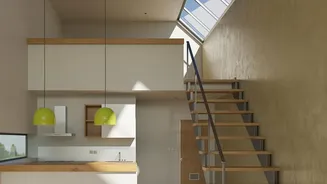
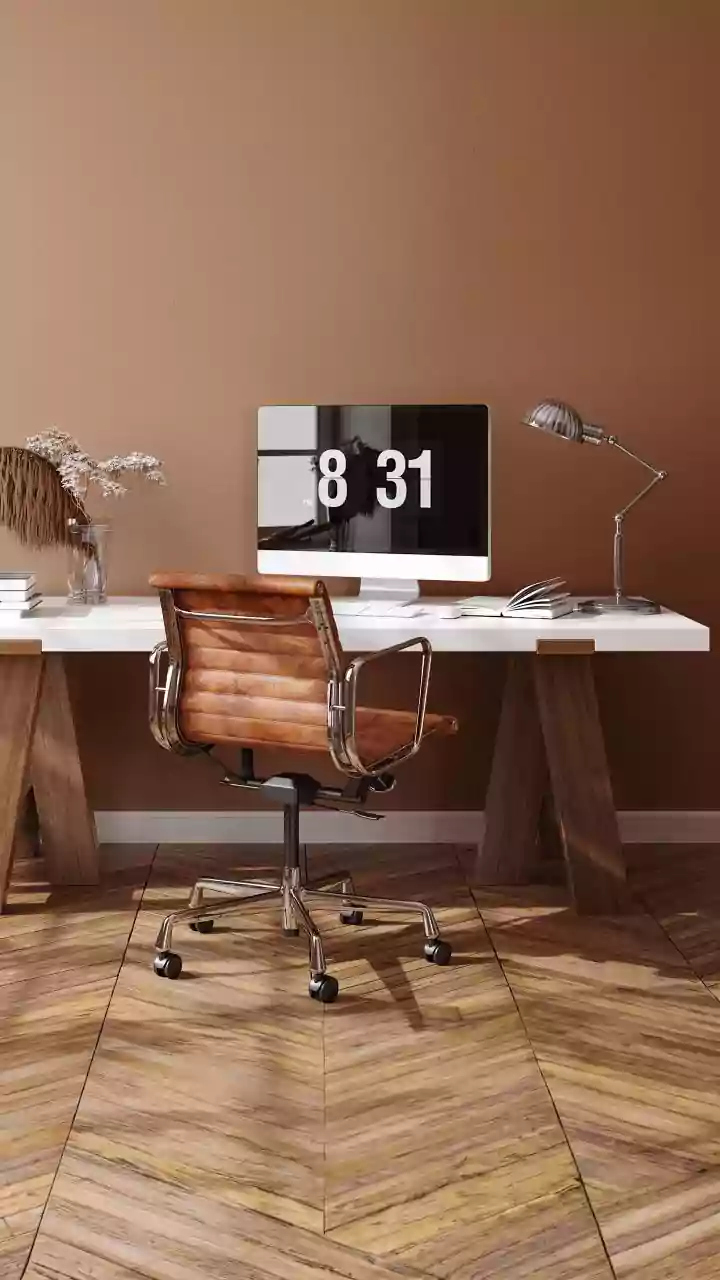
A studio apartment serves many functions—sleeping, eating, working, and relaxing—all in one room. Creating distinct 'zones' for each activity helps contain the associated items and brings a sense of order. This doesn't require physical walls. You can use an existing rug to define the 'living room' area. Keep all your work items confined to your desk area. All cooking-related items should stay in the kitchen zone. When everything has a designated home base, you're less likely to leave a coffee mug by your bed or a work laptop on the kitchen counter. This mental mapping helps you automatically tidy up as you move through your day.
Rediscover 'Hidden' Storage
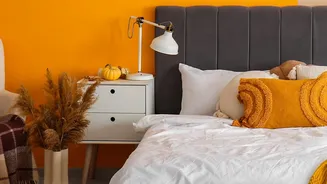
Your apartment already has hidden storage spots you're probably not using to their full potential. The space under your bed is prime real estate. If you don't have built-in drawers, use flat, shallow boxes or even old suitcases to store seasonal clothing, extra linens, or shoes. The same goes for the space under your sofa. Another often-ignored area is the top of your refrigerator or kitchen cabinets. Use baskets or neat-looking boxes to corral items here. This keeps them out of sight but still accessible, transforming dead space into a functional storage solution.
Master Your Existing Closet
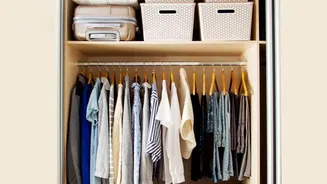
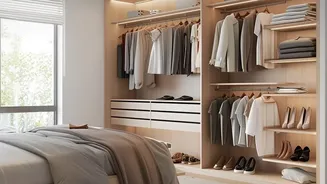
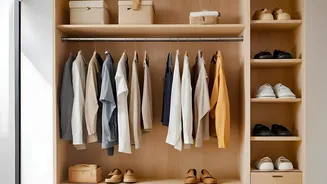
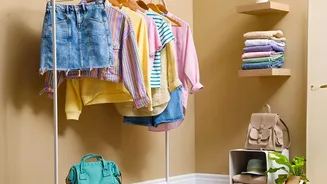
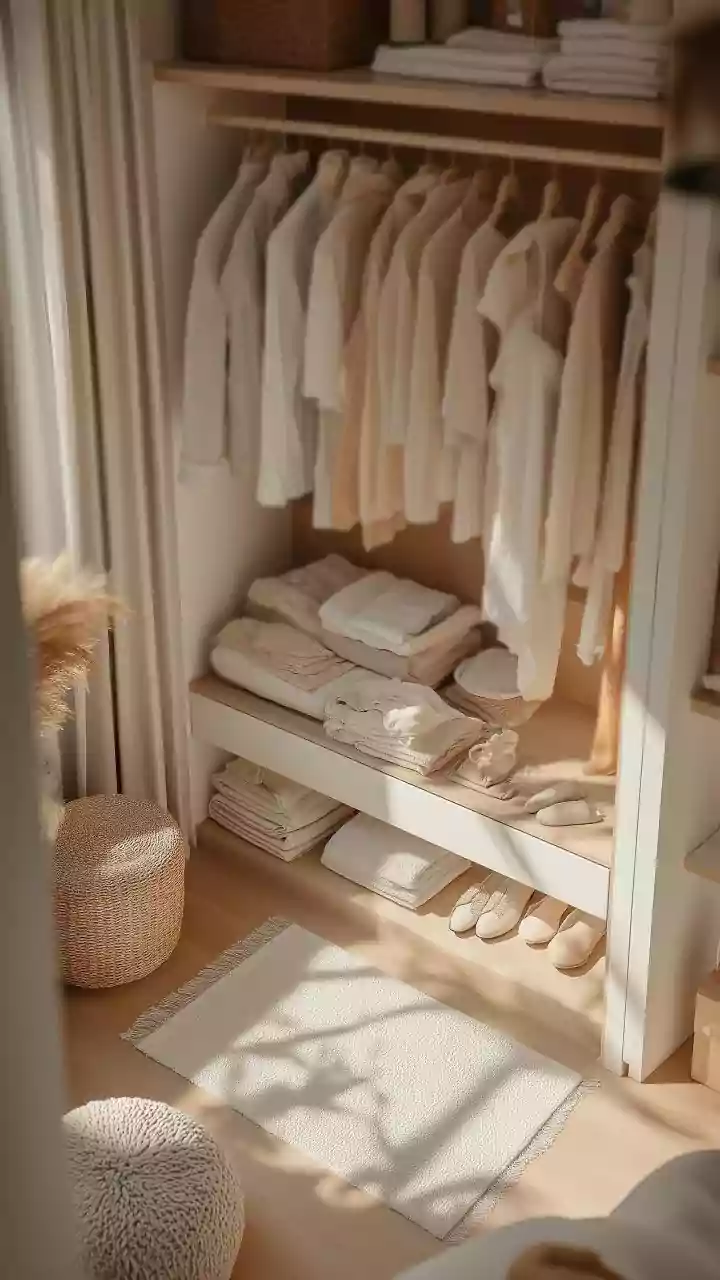
Instead of wishing for a bigger closet, optimize the one you have. Most closets have a single rod and a high shelf, which is an inefficient use of space. You can add a second, lower closet rod using a tension rod—no installation required—to instantly double your hanging space for shirts and pants. Use slim velvet hangers to fit more clothing. Organize the closet floor with shoe racks or stackable bins you already own. For drawers, learn to 'file fold' your clothes so you can see everything at once instead of just the top layer. These small adjustments can dramatically increase your closet's capacity.
Adopt a Maintenance Mindset
An organized apartment stays organized because of daily habits, not a one-time cleaning spree. Adopt the 'one in, one out' rule: for every new item that comes into your home, an old one must leave. This is especially important for things like clothes, books, and cosmetics. Spend just five minutes before bed putting things back in their designated zones. Wipe down counters and clear any flat surfaces. These aren't drastic changes, but their cumulative effect is massive. It prevents clutter from building up and turns organization from a monumental task into a simple, ongoing routine.