


Understanding Fungal Moisture Traps
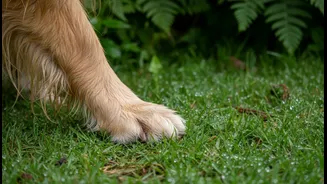
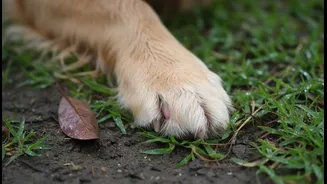
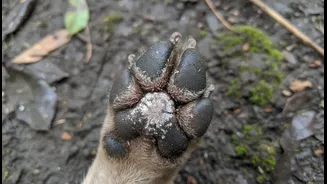
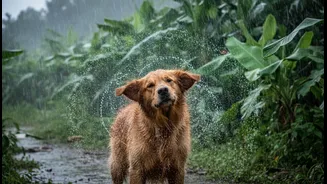
The fur between your dog's paw pads is designed for insulation and protection, but in humid, wet conditions like India's monsoon season, it can become a liability. When this hair grows long, it acts like a dense sponge, trapping moisture, mud, and debris
from wet streets and grassy parks. This warm, damp, and dark environment is the perfect breeding ground for yeast and fungi, particularly a common fungus called Malassezia. An overgrowth of this fungus leads to what veterinarians call yeast dermatitis, a condition that causes intense itching, redness, inflammation, and a distinct musty odour.
Why Large Breeds Are at Higher Risk
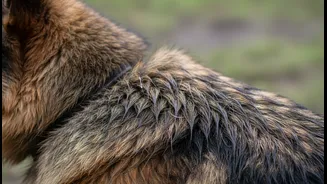
While any dog can develop paw infections, large and giant breeds are often more susceptible. Their body weight puts more pressure on their paws, spreading the pads and potentially creating deeper crevices where moisture can hide. Many popular large breeds in India, such as Labradors, Golden Retrievers, and German Shepherds, have dense fur that can easily become matted between the toes. This not only traps more moisture but also reduces airflow, making it harder for the paws to dry out naturally after a walk. The combination of weight, paw structure, and fur density makes them prime candidates for recurring fungal issues during the rainy season.
Your Paw Grooming Toolkit and Guide
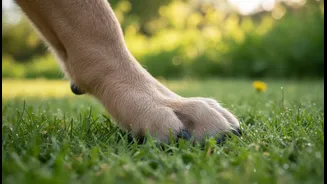
Consistent grooming is your best defence. The goal is not to shave the paw completely but to neatly trim the hair so it is flush with the pads. This simple step improves airflow, allows paws to dry faster, and prevents mud and debris from getting tangled. For this, you will need a small, quiet pair of pet clippers or blunt-nosed scissors. Start by making sure your dog is calm and comfortable. Gently hold the paw and use your thumb to separate the pads, exposing the overgrown hair. Carefully trim the hair, always cutting parallel to the pad and never pointing the tool directly at the skin. If you are not confident, a professional groomer can perform this service quickly and safely.
The Post-Walk Paw Care Ritual
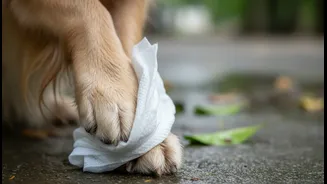
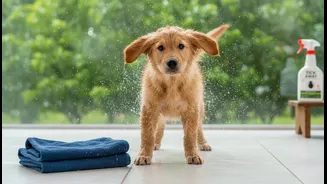
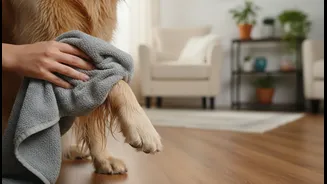
Grooming is only half the battle; the other half is your daily routine. During July, every post-walk clean-up is crucial. After each outing, wash your dog's paws with lukewarm water or use pet-safe wipes to remove mud and potential allergens. The most critical step is drying. Use a soft, absorbent microfibre towel and meticulously dry each paw, paying special attention to the spaces between the toes. For dogs with very thick fur, a hairdryer on a low, cool setting can ensure the undercoat is completely dry. This denies fungi the moisture they need to thrive.
When to See a Veterinarian
Preventive grooming goes a long way, but it's still important to know the signs of an active infection. Check your dog's paws regularly for symptoms such as persistent licking and chewing, redness and inflammation, a brown or reddish discoloration of the fur, and thickened or scaly skin. A strong, yeasty, or 'corn chip' smell is another major red flag. If you notice any of these signs, it's time to visit the veterinarian. A vet can confirm the diagnosis, often with a simple skin sample, and prescribe appropriate treatments like antifungal creams, medicated shampoos, or oral medications to resolve the infection and relieve your dog's discomfort.