



The World from Their Eyes
Imagine being small, unable to speak the local language, and suddenly being lifted and passed between giants in a loud, unfamiliar environment. This is the reality for a shy pet being passed from person to person. For animals, especially prey species
(a mindset many cats and small dogs retain), being restrained and unable to retreat is terrifying. Their instinct screams 'danger', but they can't escape. This experience isn't just a little scary; it's a sensory overload that floods their system with stress hormones. Instead of learning that new people are okay, they learn that new people are unpredictable and remove their sense of safety and control.
Learn to Read the Whispers
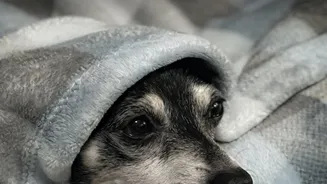
Pets communicate their discomfort long before they might growl or hiss. An animal being passed around might show subtle stress signals that humans often miss. For dogs, this includes 'whale eye' (showing the whites of their eyes), lip licking, excessive yawning when not tired, a tucked tail, and flattened ears. Cats also have a quiet language of fear: they might crouch low, have their ears turned back or flattened, or their pupils might dilate into large, dark circles. Some pets may even freeze completely, which is often misinterpreted as calmness but is actually a sign of shutdown due to extreme fear. Recognizing these 'whispers' of anxiety is the first step to becoming your pet's best advocate.
Why 'Passing the Parcel' Fails
The act of passing a pet around robs them of the most important tool they have for feeling secure: choice. Animal behavior experts emphasize that allowing an animal to control their own interactions is crucial for building confidence. When a pet is forced into contact, it can create a lasting negative association. They may start to view all visitors as a threat, worsening their shyness over time. In some cases, this accumulated stress can lead to what's known as fear-based aggression. A pet that feels trapped and unheard may eventually decide that a snap or a scratch is the only way to make the scary situation stop. This is not a sign of a 'bad' pet, but a terrified one whose boundaries have been repeatedly ignored.
A Better Way: The Power of Choice
The alternative to this stressful scenario is simple: let the pet decide. This is the core of what's known as a 'consent test' in the animal world. Instead of bringing the pet to the person, you create an environment where the pet can safely and voluntarily approach the person. First, ensure your pet has a designated 'safe zone'—a room or a cozy crate where they can retreat and know they won't be bothered. This gives them a home base to return to if they feel overwhelmed. Let guests know that your pet is shy and to please ignore them initially. This takes all the pressure off the animal.
How to Make Proper Introductions
Once guests are settled and ignoring the pet, the shy animal is more likely to get curious and come out to investigate on its own terms. Ask your guests to remain seated and avoid direct eye contact, which can be threatening. Arm your visitors with high-value treats. They can start by tossing a treat on the floor near them without trying to lure the pet closer. This helps the pet build a positive association: new people make good things appear. If the pet chooses to approach, the guest can offer a treat from a flat hand. It's vital that the guest doesn't reach out to pet them yet. The goal is to let the pet initiate all contact, building their confidence at their own pace.
Becoming Your Pet's Advocate
As a pet owner, your most important role is to be your animal's protector and advocate. It's okay to set boundaries with your guests. A polite, “He's a little shy, so it's best to let him come to you,” is usually all that's needed. You are not being rude; you are being a responsible and compassionate guardian. By managing introductions and preventing overwhelming situations, you are teaching your pet two things: that they are safe with you, and that new people aren't so scary after all. This controlled, positive exposure is the real secret to helping a shy pet blossom.