






The Perfect Digital Paradise
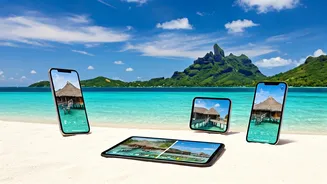
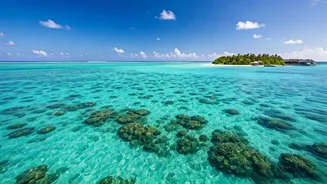
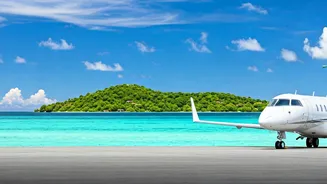
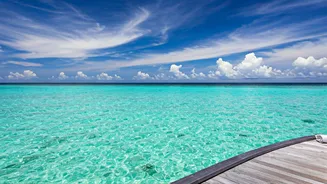
You know the video before you’ve even seen it. It opens with a sweeping drone shot, revealing a string of wooden villas suspended over impossibly blue water. A smiling couple, perfectly tanned, sips coconut water by a private infinity pool. They snorkel
with manta rays, dine on the beach under a canopy of stars, and toast champagne flutes as the sun sets in a blaze of orange and pink. This is the visual language of the Maldives vlog, a genre perfected and proliferated by travel influencers across the globe. For years, these videos have represented the ultimate in aspirational travel. They are not just holiday diaries; they are meticulously crafted short films designed for maximum engagement. The combination of stunning natural beauty and visible luxury creates a powerful form of digital escapism. For audiences in India, dreaming of a foreign getaway, the Maldives has long been a top-tier, accessible luxury destination, and these vlogs were the primary vehicle for that dream. They dominated feeds because they sold a perfect, uncomplicated fantasy.
When Politics Crashes the Party
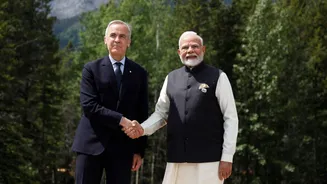
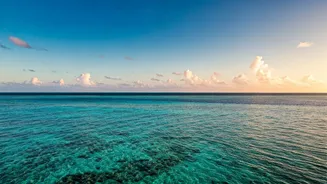
The dream came to an abrupt halt in early 2024. Following derogatory remarks about India and its Prime Minister by several Maldivian officials, a firestorm erupted on Indian social media. What began as a diplomatic spat quickly escalated into a widespread public backlash. The hashtag #BoycottMaldives trended for days, fueled by a potent mix of national pride and genuine hurt. The online conversation shifted almost overnight. The serene blue waters of the Maldives were no longer seen as a tranquil escape but as the backdrop to a perceived insult.
Suddenly, the very vlogs that once inspired wanderlust were viewed through a new, critical lens. Their continued promotion felt tone-deaf to many, a jarring disconnect from the prevailing national sentiment. This incident revealed the fragile nature of influencer-driven tourism, demonstrating how quickly geopolitical tensions can puncture the carefully curated bubble of social media perfection.
The Influencer's Dilemma
Indian travel influencers found themselves in an incredibly difficult position. Many had built their careers on promoting international destinations, with the Maldives being a lucrative and popular staple. Some had ongoing, paid collaborations with Maldivian resorts and airlines. To post their Maldives content would risk alienating their primary audience and being branded as unpatriotic. To stay silent or join the boycott would mean severing professional ties and potentially losing income.
The reactions were varied. Some prominent influencers and celebrities quickly joined the boycott, cancelling trips and deleting old promotional posts. Others, caught in the middle with pre-scheduled content, posted apologies or tried to lay low. The episode served as a stark reminder that in today's hyper-connected world, influencers are not just content creators; they are public figures whose choices are scrutinized, especially during moments of nationalistic fervour. Their allegiance, once assumed to be to their audience and sponsors, was now being tested on a national stage.
The Rise of a Domestic Alternative
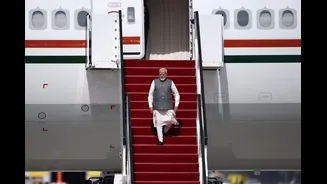
The digital backlash also catalysed a powerful counter-movement: #ExploreIndianIslands. As calls to boycott the Maldives grew, so did a patriotic push to promote India’s own coastal treasures. Images and videos of Lakshadweep and the Andaman & Nicobar Islands flooded social media feeds, presented as pristine, beautiful, and—most importantly—Indian. Prime Minister Narendra Modi’s own visit to Lakshadweep just before the controversy became a central pillar of this campaign.
Influencers and travel companies pivoted with remarkable speed. What was once a niche interest in domestic island tourism became a mainstream trend. This shift wasn't just about patriotism; it was smart business. By tapping into the public mood, creators could align themselves with their audience and explore new, highly-requested content streams. The #BoycottMaldives movement inadvertently became the biggest marketing campaign India’s own islands had ever seen.