





A Billion-Dollar Dreamhouse
The numbers alone are staggering. The 'Barbie' movie soared past the billion-dollar mark globally in just 17 days, a pace faster than any previous film in Warner Bros. history, including the Harry Potter franchise. It went on to become the highest-grossing
film of its year, ultimately grossing over $1.4 billion worldwide. This monumental success made Greta Gerwig the first solo female director to helm a billion-dollar film, shattering records and industry expectations. The film wasn't just a financial success; it was a bona fide phenomenon, sparking think pieces, fashion trends, and a tidal wave of social media discourse that confirmed movies were back in a big way.
Marketing That Painted the World Pink
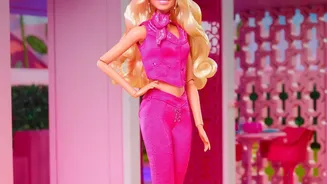
Long before the film’s release, its marketing campaign became a masterclass in building cultural hype. It was a perfectly coordinated storm of digital and physical promotion that went far beyond typical movie trailers. There were over 100 brand partnerships, from pink burgers to high fashion. Immersive experiences, like a real-world Malibu Dreamhouse, became viral sensations. Billboards appeared in stark, unbranded pink, sparking curiosity and conversation. The marketing team cleverly tapped into user-generated content, with AI-powered selfie generators and a steady stream of meme-worthy moments that turned audiences into active participants in the promotion. This strategy was so effective it created a global cultural moment months before the movie even premiered.
The 'Barbenheimer' Phenomenon
You cannot talk about Barbie's success without mentioning its unlikely partner: 'Oppenheimer.' The simultaneous release of two wildly different films—a vibrant fantasy comedy and a dark historical biopic—created the 'Barbenheimer' craze. What started as an internet joke became a genuine cinematic event, with audiences planning double features and debating the tonal whiplash. Instead of competing, the two films created a symbiotic relationship. The phenomenon encouraged a celebratory return to cinemas, proving that a rising tide of cultural excitement could indeed lift all boats and contributing to a record-breaking box office weekend.
More Than Just Nostalgia
While nostalgia was the fuel, the film's intelligent script was the engine. The marketing brilliantly tapped into the multi-generational affection for the doll, targeting not just children but also the adults who grew up with her. But this wasn't a simple, sentimental trip down memory lane. The film succeeded because it engaged with Barbie's complex and often controversial legacy. The screenplay, co-written by Gerwig and Noah Baumbach, was a subversive and philosophical experiment that explored themes of feminism, patriarchy, and the very nature of identity. It challenged the beauty standards the doll had long perpetuated while still celebrating the joy and imagination she inspired. This self-aware approach gave audiences something to talk about, elevating the film from a toy adaptation to a piece of cultural commentary.