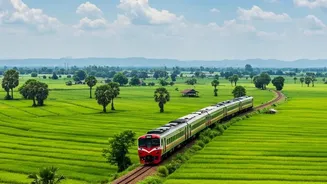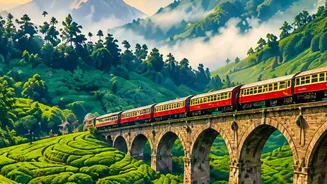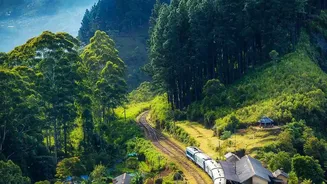

Indian Railways' Vistadome coaches have redefined scenic travel, turning the journey itself into the main event. With panoramic windows and glass roofs, they offer a front-row seat to India's diverse landscapes. Here's how to make the most of them.
What Exactly is a Vistadome Coach?
A Vistadome
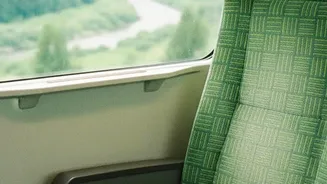
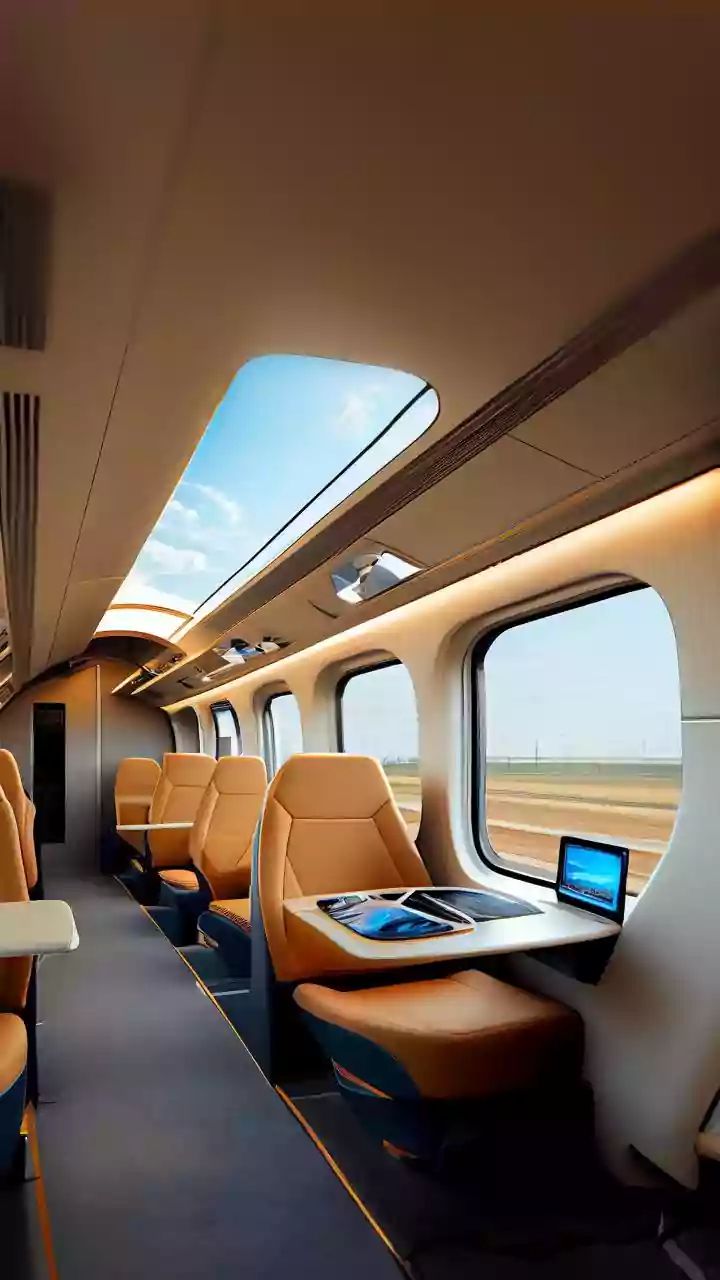
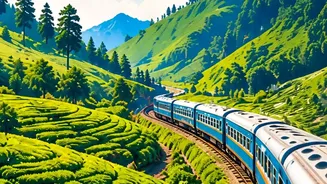
coach is a specially designed luxury carriage created for tourist routes that pass through breathtaking landscapes. Unlike conventional coaches, these offer an almost-uninterrupted viewing experience. Key features include oversized, panoramic side windows, and a transparent glass-panelled roof that provides a view of the sky and mountains above. Most Vistadome coaches are equipped with seats that can rotate up to 180 degrees, allowing passengers to always face the window or turn to socialise with fellow travellers. The coaches are fully air-conditioned and often include an observation lounge—a dedicated standing area at the rear with a wide window, perfect for photography and soaking in the views. Additional amenities can include a GPS-based information system, LED lights, and automatic sliding doors.
The Most Scenic Vistadome Routes
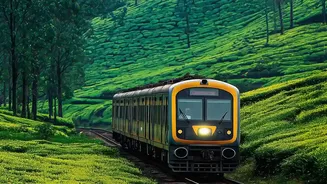
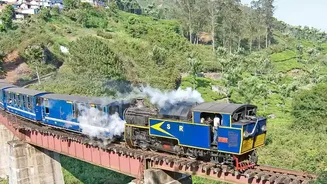
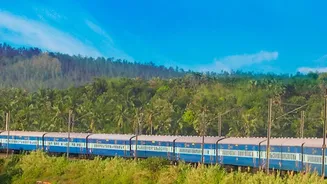
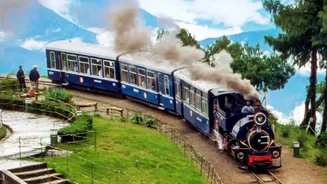
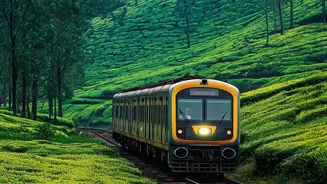
While Vistadome coaches are available on numerous routes, a few stand out for their exceptional scenery. The Kalka-Shimla Railway, a UNESCO World Heritage site, offers a journey through pine forests and over 100 tunnels on a historic narrow-gauge line. Another classic is the Visakhapatnam-Araku Valley route, which was the first to introduce these coaches in 2017. This line climbs through the Eastern Ghats, passing through 58 tunnels and offering views of valleys and waterfalls. In the west, the Mumbai-Goa (Madgaon) route on the Tejas and Jan Shatabdi Express provides stunning vistas of the Konkan coast, especially during the monsoon. Further south, the journey from Bengaluru to Mangaluru showcases the lush greenery of the Western Ghats, with the Sakleshpur-Subrahmanya ghat section being a major highlight for its dense forests and numerous waterfalls.
Gearing Up: Your Photography Kit
You don't need a professional setup to get great shots, but the right gear helps. A DSLR or mirrorless camera offers the most flexibility, allowing you to control settings like shutter speed. For lenses, a standard zoom (like a 24-70mm) is a versatile all-rounder. A wide-angle lens is excellent for capturing the vastness of landscapes, while a telephoto can help isolate distant details. However, modern smartphones with their advanced cameras are also highly capable. Consider bringing a small, flexible tripod like a GorillaPod, which can be wrapped around railings or placed on a window sill for stability. A circular polarising filter is a worthy investment as it helps cut down on reflections and glare from the large glass windows, making colours appear more vibrant. Lastly, pack extra batteries and memory cards, as you'll likely be shooting a lot. A microfiber cloth is essential for keeping the train window clean for the clearest possible shots.
Techniques for Shooting on the Move
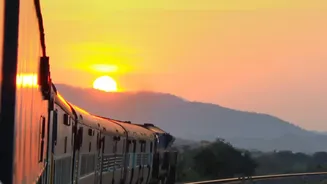
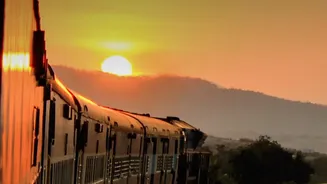
The biggest challenge is capturing sharp photos from a moving vehicle. The key is to use a fast shutter speed—a setting of at least 1/500th of a second is a good starting point to freeze motion and avoid blur. If your camera has a 'burst mode', use it to take several photos in quick succession; this increases your chances of getting a perfectly sharp image. To combat reflections, get your lens as close to the glass as possible without touching it, which can transfer vibrations. You can also use your hand or a dark piece of clothing to shield the lens from interior light. Early morning and late afternoon, known as the 'golden hours', provide the best natural light, which is soft and reduces harsh shadows. When composing your shot, try to include a part of the train itself to add context and a sense of journey to your photos.
Beyond the Landscape: Telling a Story
A great travel photograph often tells a story. Look for compositions that go beyond just the scenery. Use the tracks as leading lines to draw the viewer's eye into the frame. Frame the landscape using the train window for a sense of place. Don't just focus on what's outside; capturing the interior of the Vistadome coach, with other passengers enjoying the view, can add a human element to your images. The observation lounge is an excellent spot for this, offering a different perspective looking back down the tracks. Pay attention to details—the play of light through the glass roof, the train curving around a bend, or a waterfall cascading right next to the tracks. Combining these elements will help you create a richer, more compelling visual narrative of your incredible journey.