






Why Prune During the Rains?
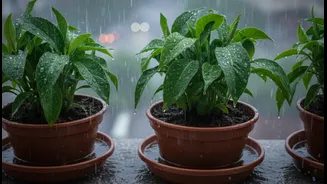
While it might seem counterintuitive to cut back plants when they are growing vigorously, monsoon pruning is about strategic management, not just tidiness. The primary benefit is improved health. Thinning dense foliage increases air circulation, which
is crucial for preventing fungal diseases like powdery mildew and black spot that thrive in high humidity. Strong winds and heavy rain can snap weak or overgrown branches; pruning removes this vulnerable growth, protecting the plant's core structure. It also encourages the plant to direct its energy towards producing new, healthy shoots and more vibrant flowers, leading to a fuller, more productive plant post-monsoon.
The Right Plants and Perfect Timing
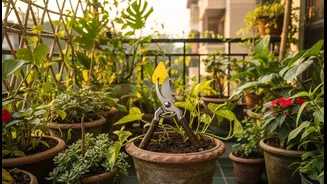
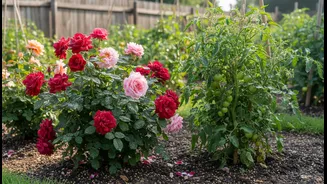
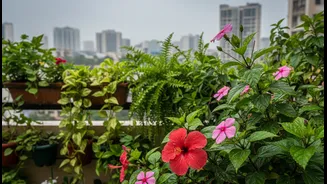
Not all plants should be pruned with the same enthusiasm. The best candidates for a monsoon trim are fast-growing flowering shrubs and climbers that can become unruly. Plants like hibiscus, bougainvillea, roses, and jasmine (mogra) respond exceptionally well to pruning during this time. It helps manage their shape and encourages a fresh flush of blooms. However, timing is critical. Avoid pruning during periods of relentless, heavy downpours, as fresh cuts can become entry points for infection in waterlogged conditions. The ideal time is during a dry spell or after a light shower, when the leaves are no longer dripping wet. This allows the cuts to begin healing without being constantly saturated.
Your Essential Pruning Toolkit
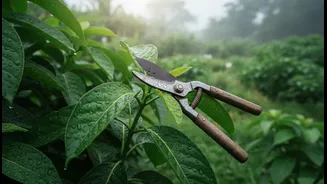
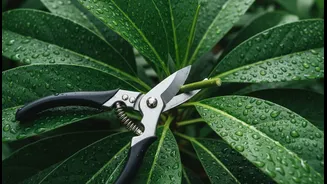
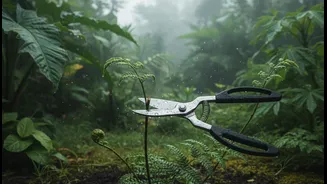
You don't need an arsenal of tools, but having the right ones makes the job cleaner and safer for your plants. The most important tool is a pair of sharp, clean bypass secateurs (pruners). Unlike anvil cutters that can crush stems, bypass pruners make a clean, scissor-like cut that heals quickly. Always ensure your tools are sterilised before you start and between plants, especially if you are removing diseased parts. A simple wipe with a disinfectant can prevent the spread of pathogens from one plant to another. For branches thicker than half an inch, a pair of loppers or a small pruning saw will be necessary to make a clean cut without damaging the plant.
The Art of the Cut
Proper technique is what separates a good prune from a harmful one. The goal is to remove dead, diseased, or crossing branches first. This is called cleaning out the plant. Next, focus on thinning dense areas to improve light and air penetration. When shortening a branch, make your cut about a quarter-inch above a leaf node (the point where a leaf grows) at a 45-degree angle sloping away from the bud. This angle prevents water from sitting on the cut surface and causing rot. For flowering plants, a practice called deadheading—removing spent blooms—is also a form of light pruning that redirects the plant's energy into producing more flowers instead of seeds.
Common Mistakes to Avoid
Enthusiasm can sometimes lead to errors. The most common mistake is over-pruning, or removing more than one-third of the plant’s mass at once. This can shock the plant and make it vulnerable. Another frequent error is using dull tools that crush stems instead of cutting them cleanly, leaving a jagged wound that is slow to heal and prone to disease. Avoid pruning indiscriminately without considering the plant’s natural shape. Finally, don't forget to clean up. Leaving pruned debris on the ground can create a breeding ground for pests and diseases, undoing all your hard work.