




As winter settles in, finding effective indoor exercises is key. Step-ups are a fantastic, low-impact option to build strength and boost cardio. Here’s how to do them safely, focusing on the crucial element of stable, non-slip support.
A Low-Impact, High-Reward Workout
The step-up is a
powerful yet simple functional movement that mimics everyday actions like climbing stairs. Its benefits are significant, especially when outdoor activities are limited. Step-ups are a compound exercise, engaging multiple lower-body muscles including the quadriceps, glutes, hamstrings, and calves. This comprehensive muscle engagement not only builds strength but also elevates your heart rate, providing a solid cardiovascular workout that burns calories. As a unilateral exercise, meaning it works one leg at a time, it's brilliant for identifying and correcting muscle imbalances between your dominant and non-dominant sides. This focus on single-leg strength improves overall balance, stability, and coordination, which is crucial for injury prevention in other activities. Furthermore, for those with joint concerns, step-ups can be a gentler alternative to high-impact exercises like jumping or even squats, as they place less stress on the spine and knees when performed correctly.
Mastering the Move: Perfecting Your Form
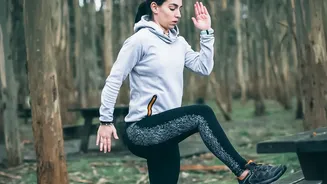
Proper technique is everything. It ensures you target the right muscles and, more importantly, protects you from injury. Start by standing in front of a sturdy, low platform. Choose a height where your knee is at roughly a 90-degree angle when your foot is on the step. Place your entire right foot firmly on the surface—don't let your heel hang off. Keeping your torso upright and core engaged, drive through your right heel to lift your body up until you are standing tall on the platform. Avoid the common mistake of pushing off with your back foot; the work should be done by the leg on the step. To descend, step back down slowly with your left foot, followed by your right, controlling the movement all the way. Perform all reps on one side before switching to the other to maximize muscle engagement.
Common Mistakes and How to Avoid Them
Several common errors can undermine the effectiveness of step_ups and increase injury risk. The most frequent is using a step that is too high. If you have to lean excessively forward, bounce, or twist your body to get up, the platform is too high for your current strength and mobility level. Another critical mistake is allowing your knee to collapse inward (known as knee valgus) as you push up. This puts unnecessary strain on the knee joint and indicates weakness in the glute muscles. Focus on keeping your knee aligned over your second toe throughout the movement. Rushing the movement, especially on the way down, is also a problem. Dropping quickly instead of performing a controlled descent removes a key muscle_strengthening component of the exercise and can jolt your joints. Finally, avoid pushing off from the floor with your trailing leg, as this uses momentum and cheats the working leg of its intended benefit.
The Critical Role of Non_Slip Support
A stable, non_slip surface is non_negotiable for a safe workout. During repetitive movements like step_ups, the risk of your platform shifting or your foot slipping increases, especially as you fatigue or start to sweat. A slip can lead to sprains, fractures, or worse. Anti_slip surfaces provide essential traction, allowing you to plant your foot with confidence and focus on your form rather than worrying about losing your balance. This stability is crucial for generating force correctly and protecting your joints from the shock of impact. Using unstable substitutes like wobbly chairs or slippery stools is a recipe for disaster. Any piece of equipment used for exercise must be designed to stay put, providing a secure foundation from which to move.
Choosing the Right Platform
When selecting a platform, look for a dedicated aerobic step or plyometric box. Quality aerobic steps are often adjustable in height and have a textured, rubberized top surface for grip, along with non_slip feet. Plyo boxes, which come in wood, steel, or soft foam, are another excellent option. While foam boxes can feel safer if you miss a step, ensure they are dense and sturdy enough not to tip. Wooden or steel boxes should be heavy and robust. Regardless of the type, check that the product is rated to support your body weight plus any dumbbells you might hold. For a DIY solution, a sturdy, low bench or even securely stacked weight plates can work, but stability is paramount. Ensure any homemade option is completely stable, will not slide on the floor, and is strong enough to handle repeated force.