





The Primacy of Short-Form Video
For India’s Gen Z, entertainment is increasingly delivered in vertical, snackable bites. Platforms like Instagram Reels and YouTube Shorts have become the dominant media channels, fundamentally altering content consumption. Recent studies show that an overwhelming
majority of Gen Z users, around 89%, engage with Reels daily. This is not passive viewing; it is a rapid-fire consumption of trends, comedy, fashion, and lifestyle content tailored by algorithms to individual tastes. The appeal lies in its efficiency and accessibility. With attention spans adapting to the digital pace, these short videos provide instant gratification and a constant stream of discovery. This shift has pushed television to the sidelines, with daily short-form video viewership now surpassing traditional TV. Brands and creators who fail to master this format risk becoming invisible to India's largest and most influential consumer group.
Creators Are the New Headliners
The era of unquestioned celebrity dominance is fading. For Gen Z, authenticity trumps star power, and they are turning to a new generation of digital creators for entertainment and advice. A staggering 83% of Indian Gen Zers now consider themselves creators, blurring the line between consumer and producer. This creator economy is not just a hobby; a large majority see it as a viable career path, providing financial independence and a platform for diverse voices, particularly from Tier-2 and Tier-3 cities. These influencers and content makers are seen as more relatable and trustworthy than traditional public figures. Their power is reshaping everything from product discovery to cultural discourse, as they build loyal communities around niche interests. For this generation, a recommendation from a favourite YouTuber or Instagrammer often carries more weight than a multi-crore advertising campaign.
Gaming as a Social Network
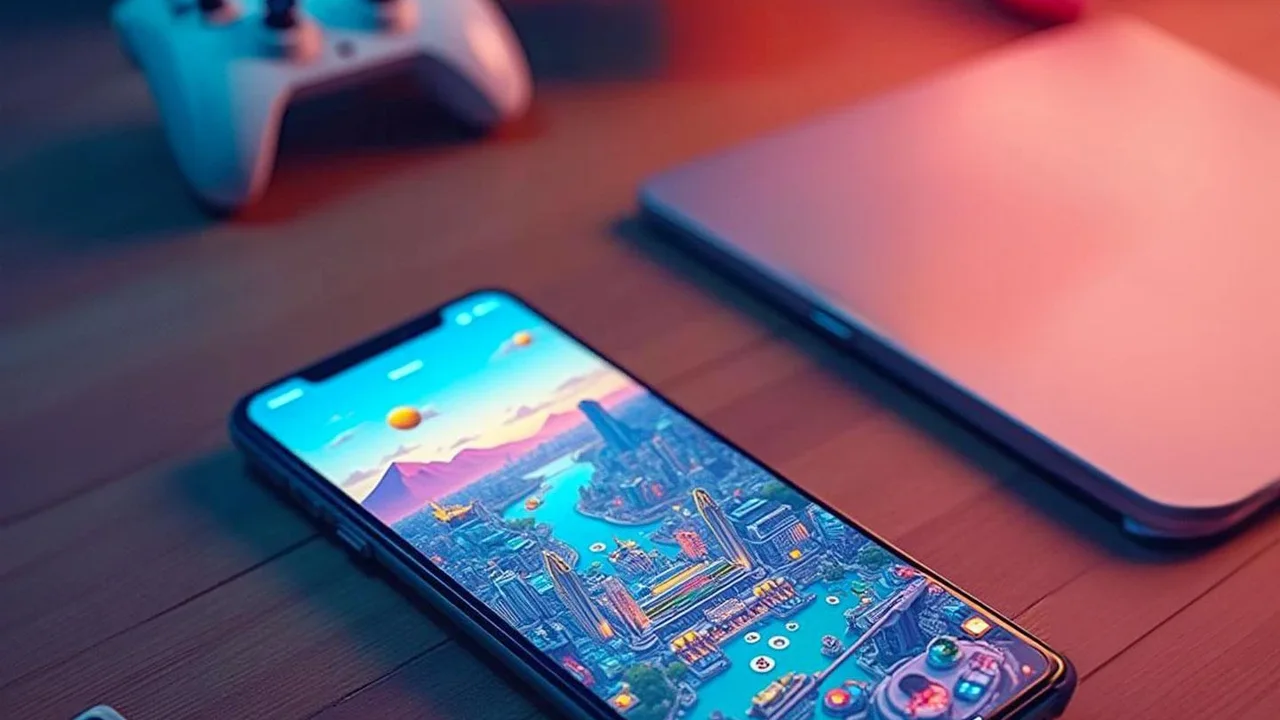
Forget the stereotype of the solitary gamer in a dark room. For Gen Z in India, gaming is a primary social activity and a core part of their entertainment diet. It is estimated that 74% of Gen Z users spend at least six hours a week playing games on their smartphones. Mobile gaming, in particular, has exploded thanks to its accessibility, with titles like BGMI and Free Fire becoming virtual hangouts. These platforms are not just for playing; they are social stages for connection, competition, and community building, complete with in-game chats and events. This generation doesn't just play games; they watch others play on platforms like YouTube, participate in esports, and build identities within these digital worlds. Gaming has evolved into an immersive, socially connected experience that rivals traditional forms of socialising.
On-Demand, All the Time
The concept of waiting for a scheduled broadcast is alien to Gen Z. Their entertainment is entirely on-demand, consumed when and where they choose. While short-form video dominates, they are also avid consumers of long-form content on streaming services like YouTube, Netflix, and Amazon Prime Video. YouTube remains a top destination, valued for its diverse library of content across multiple formats, from music videos to podcasts and tutorials. This shift extends to music, where algorithmic playlists and mood-based listening on platforms like Spotify and JioSaavn have replaced the album as the primary unit of consumption. A song’s virality is now often determined by its use in a trending Reel, showcasing how these new platforms dictate the flow of culture.
Experiences Over Possessions
While much of their entertainment is digital, Indian Gen Z also craves real-world experiences. This has fueled a boom in the live entertainment sector, with concerts, music festivals, and comedy shows seeing a massive surge in attendance. This generation is increasingly willing to spend on experiences that create lasting memories, from attending a Lollapalooza festival to catching a stand-up comic's tour. This demand is not limited to major metros; smaller cities are also becoming vibrant cultural hubs. This desire for immersive, in-person events complements their digital lives, showing that for Gen Z, a great story is worth experiencing both on-screen and in person.