

A Conscious Shift in Home Decor
A new generation of Indian consumers is making a deliberate choice to decorate their homes with meaning. They are increasingly turning away from generic, factory-made decor and towards items that tell a story. This shift is driven by a desire for authenticity
and a growing awareness of environmental impact. Upcycled terracotta, with its earthy charm and eco-friendly credentials, has become a centrepiece of this movement. It represents a blend of conscious consumption and cultural pride, resonating deeply with young individuals who want their living spaces to reflect their values. This trend is not just about aesthetics; it's a statement against a throwaway culture, championing products that are both beautiful and kind to the planet.
From Discarded to Desirable
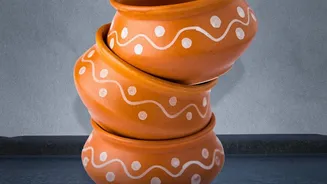
So, what exactly is 'upcycled' terracotta? It’s the art of transforming broken, discarded, or surplus clay products into new, functional, and beautiful decor. This isn't merely recycling; it’s a creative reinvention. Imagine artisans collecting fragments of old pots, broken tiles, or factory surplus and giving them a new life as unique wall art, mosaic planters, or quirky coasters. This process diverts a significant amount of waste from landfills. More importantly, it celebrates the Japanese concept of 'kintsugi'—finding beauty in imperfection. For a generation grappling with climate anxiety, upcycling offers a tangible way to participate in the circular economy, where resources are kept in use for as long as possible.
The Irresistible Pull of Sustainability
The primary driver behind terracotta's resurgence is its sustainability. Terracotta, which literally means "baked earth," is a natural, biodegradable material. Unlike plastic or synthetic resins, it returns to the earth without leaving a toxic footprint. Upcycling it further enhances these credentials by minimizing waste and the carbon footprint associated with producing new items. For the Indian youth, who are more environmentally conscious than previous generations, choosing upcycled decor is a powerful lifestyle statement. It’s an active decision to support brands that prioritize ethical production and reduce environmental harm, making sustainability an integral part of their identity and home.
Connecting with Cultural Roots
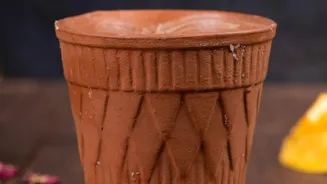
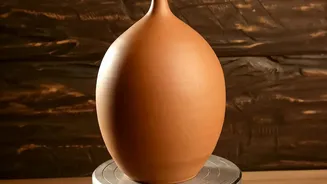
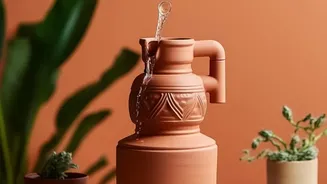
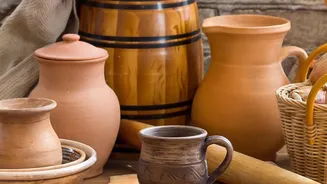
Terracotta is deeply woven into the fabric of Indian heritage, with an unbroken lineage stretching back to the Indus Valley Civilization. For centuries, it has been part of daily life, from humble water pots (matkas) to intricate temple figurines. Today, young Indians are re-engaging with this ancient craft not as a relic of the past, but as a cool, contemporary design choice. Using terracotta is a way to feel connected to their roots in a modern world. It brings a piece of tradition and artisanal history into their urban homes, creating a sense of grounding and authenticity that mass-produced items cannot replicate. This revival also provides crucial support to rural artisan communities, preserving generational skills that were at risk of fading away.
Aesthetic Appeal Meets Affordability
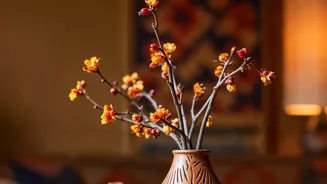
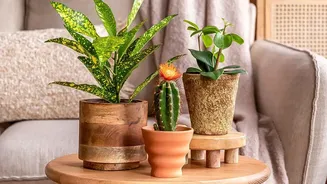
Beyond its eco-credentials and cultural significance, upcycled terracotta is simply beautiful. Its warm, earthy tones and rustic textures complement a wide range of interior styles, from minimalist to bohemian. It adds a touch of organic warmth that can soften the often sterile feel of modern apartments. Furthermore, upcycled products are often more affordable and unique than their brand-new counterparts. This accessibility allows young people, who may be setting up their first homes on a budget, to acquire distinctive, handcrafted pieces without a hefty price tag. Brands and social initiatives across India are tapping into this demand, making creative and stylish upcycled terracotta decor widely available through online platforms.