

From Sightseeing to Soul-Searching
For decades, Indian travel often followed a familiar script: a frantic week-long tour of Europe's capitals, a weekend getaway to the nearest crowded hill station, or the annual pilgrimage to Goa. The goal was to see as much as possible, ticking off famous
sights from a pre-set list. But a fundamental shift is underway, driven by Millennials and Gen Z. This new generation of travellers is less interested in simply 'seeing' a place and more focused on 'experiencing' it. Travel is becoming an act of self-expression. Instead of collecting souvenirs, they are collecting stories, skills, and a genuine connection to the places they visit. The motivation has evolved from external validation to internal growth, with a focus on relaxation, adventure, and cultural immersion. This reflects a broader change where experiences are valued more than material possessions.
The Allure of the Unseen Path
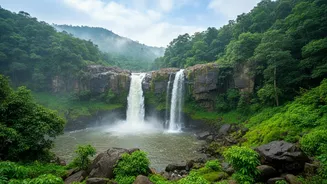
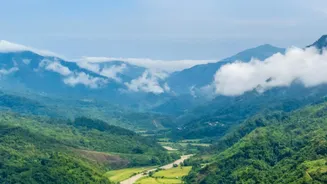
This search for authenticity is leading young Indians away from overwhelmed mainstream destinations and towards the country's hidden gems. Instead of Shimla or Manali, they might be found trekking in Himachal's Spiti or Tirthan Valley. Rather than the usual Kerala backwaters trip, they are exploring the unique rice cultivation of Ziro Valley in Arunachal Pradesh or the river island of Majuli in Assam. These offbeat locations offer what the bustling tourist hubs cannot: tranquility, untouched landscapes, and genuine interaction with local communities. The trend is also visible in international travel, with destinations like Kazakhstan, Georgia, and Vietnam gaining popularity over traditional Western hotspots. The desire is for a trip that feels personal and unique, not one that has gone viral online.
What Defines a 'Richer' Experience?
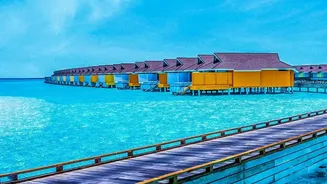
A 'richer' travel experience today is defined by its depth, not its distance or cost. It's about immersion. This can mean staying in a local homestay or a glamping site instead of a five-star hotel, learning a regional craft, or volunteering with a local community. There's a strong preference for sustainable travel, with a vast majority of Indian travellers expressing intent to make more eco-friendly choices. The concept of 'slow travel' is also gaining ground, where the journey itself is as important as the destination. This could involve road trips, backpacking, or simply spending more time in one place to absorb its culture. For many, luxury is no longer about opulence but about personalised, exclusive, and emotionally resonant moments. This could be anything from a wildlife safari to a curated gastronomy trail.
The Digital Nomad and the Solo Explorer
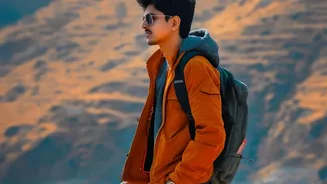
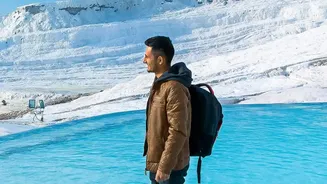
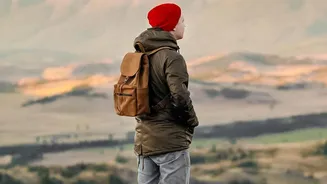
The rise of remote work has given birth to the 'workation' and the digital nomad, blurring the lines between work and leisure. But another significant trend is the surge in solo travel. Driven by a desire to relax and recharge, a large percentage of both Gen Z and Millennial travellers are planning individual trips. Solo travel is seen as an opportunity for self-discovery and adventure, and destinations like Rishikesh for soul-searching or the rugged terrains of Lahaul-Spiti for thrill-seekers are becoming popular choices. Social media plays a complex role in this new landscape. While it can create overcrowding at 'Instagrammable' spots, it also serves as a powerful tool for discovering and researching niche destinations, with influencer content often pointing travellers towards rural and lesser-known places.