






More Than Just a Walk in the Park
At its core, walking is one of the most accessible forms of exercise. It requires no expensive gym membership or complicated equipment, and it offers a wealth of health benefits, from improved cardiovascular health and weight management to better sleep
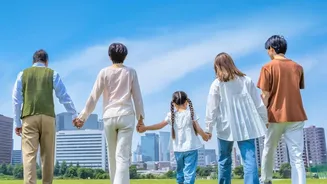
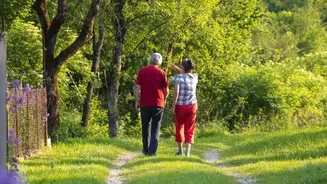
and stress relief. Studies show that regular walking increases blood flow to the brain, which can boost your mood and mental alertness. But when you turn a solo walk into a group activity, something powerful happens. The focus shifts from a chore-like exercise to a social gathering. It becomes a dedicated time to catch up with others, share stories, and enjoy a conversation, all while moving your body. The physical exertion often feels less strenuous because you're engaged with the people around you.
The Power of Positive Peer Pressure
The biggest challenge for many people isn't starting a fitness routine; it's staying consistent. This is where social walking groups shine. When you commit to a group, you create a network of gentle accountability. Knowing that others are expecting you to show up is a powerful motivator, especially on days when you might otherwise be tempted to skip your workout. This dynamic turns exercise from a solitary act of discipline into a shared, enjoyable habit. Research confirms that social support is a key factor in increasing physical activity. People who feel connected to their exercise group are more likely to attend regularly, arrive on time, and stick with the program long-term.
From Strangers to Neighbours
In an era of digital communication, feeling a true sense of local community can be rare. Walking groups help rebuild those hyperlocal connections. As you walk the same streets and parks together week after week, strangers become familiar faces, and familiar faces become friends. These groups provide a natural, low-pressure environment for social interaction, helping to combat feelings of loneliness and isolation that are increasingly common in urban life. In India, local walking collectives are emerging as safe and supportive spaces, particularly for women, helping members navigate both wellness goals and urban loneliness. These gatherings evolve beyond just walking, often leading to deeper friendships and a stronger, more supportive neighbourhood network.
An Accessible Path to Wellness
For many, traditional gyms can be intimidating, expensive, or simply inconvenient. Walking groups remove these barriers. They are typically free to join and welcome people of all ages and fitness levels. This inclusive atmosphere fosters a sense of belonging and support rather than competition. The simple act of walking side-by-side can also make conversation feel more natural and less pressured than a face-to-face meeting. It provides a unique blend of physical activity, social connection, and mindfulness, as you engage with both your walking partners and your immediate surroundings.
Finding Your Stride and Your Tribe
Getting involved is easier than you might think. Many communities across India have informal morning or evening walking clubs that gather in local parks or designated neighbourhoods. Look for notices in community centres, residential society bulletin boards, or search for local groups on social media platforms. Initiatives like 'City Girls Who Walk Delhi' showcase the growing trend of organised, community-focused walking groups. If you can't find an existing group, consider starting your own. All it takes is inviting a neighbour or two for a regular walk. What begins as a simple invitation can quickly grow into a thriving community that supports each other's health and well-being.