



The Old Rhythm of the Monsoon
For centuries, the Indian subcontinent has moved to the rhythm of the southwest monsoon. Arriving around June and retreating by September, it has historically delivered about 75-90% of the country's annual rainfall. This predictable pattern of steady,
soaking rains was the foundation of India's agricultural calendar, replenishing rivers, groundwater, and sustaining crops for a billion people. The total volume of rain was the headline figure, a simple measure of a 'good' or 'bad' monsoon. But climate change is rewriting this age-old script, and the old way of measuring the monsoon is no longer enough.
The New Danger: Intensity over Volume
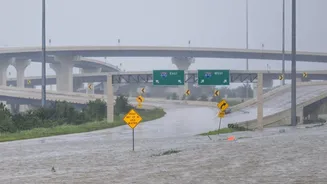
The defining feature of the modern monsoon is not just the total amount of rain, but the speed at which it falls. Scientists observe that moderate, consistent rainfall is decreasing, while the frequency and intensity of extreme rainfall events are rising. Instead of weeks of manageable showers, many regions now experience long dry spells punctuated by sudden, ferocious downpours. A study found that for every degree Celsius of warming, monsoon rainfall could increase by about 5%. This means a month's worth of rain can now fall in just a few days or even hours, overwhelming natural and man-made drainage systems. This shift from prolonged drizzles to short, intense bursts is a primary driver of flash floods.
Urban Nightmares: Concrete and Clogged Drains
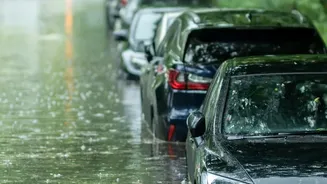
Nowhere is the impact of rainfall intensity felt more acutely than in India's rapidly expanding cities. Urban areas act as amplifiers for flood risk. Unplanned development has led to the concreting of vast surfaces, preventing rainwater from seeping into the ground. Natural buffers like wetlands, lakes, and floodplains, which once absorbed excess water, have been encroached upon and built over. When a high-intensity downpour occurs, the water has nowhere to go. It becomes rapid runoff, funneled into outdated and poorly maintained drainage systems often choked with plastic and other solid waste. This combination turns even moderate rainfall into a severe flood, paralysing cities like Mumbai, Delhi, and Bengaluru with alarming regularity.
Erratic Timing: A Double-Edged Sword for Farmers
The change in timing is just as disruptive as the intensity. The monsoon's onset is becoming more erratic, with false starts and long delays disrupting sowing seasons. Farmers who depend on the rain's timely arrival face a precarious situation. A delayed monsoon can lead to crop failure and water scarcity. When the rains finally do arrive, they often come in intense spells that don't allow the dry, hardened soil to absorb the water effectively. This leads to massive surface runoff, soil erosion, and flash floods that can wash away recently sown crops. Instead of replenishing groundwater, the water races into rivers, causing downstream flooding while the fields may still lack deep soil moisture. This paradox of 'drought and deluge' happening in the same season is the new, challenging reality for Indian agriculture.
A Challenge for a Changing Climate
Human-induced climate change is considered the main driver of these shifts. Warmer oceans, especially the Indian Ocean, are feeding more moisture into the atmosphere, which can then be released in more powerful bursts. This increased variability is making the monsoon harder to predict and manage. While the total seasonal rainfall might look normal on paper, the ground reality can be one of extreme events causing widespread damage. Reports now frequently highlight the paradox of some regions facing devastating floods while others in the same monsoon season suffer from rainfall deficits. This highlights that looking at averages is misleading; the story of the modern monsoon is one of dangerous and unpredictable extremes.