



What is This New Buffer Zone?
Anyone who has taken an overnight train in India knows the berths near the doors are often the least desirable. They are high-traffic areas, subject to noise from the vestibule, the sound of doors opening and closing, and general passenger movement. Recent
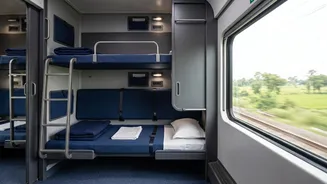
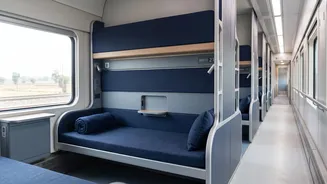
videos and images of the Vande Bharat sleeper prototype reveal a thoughtful design change that addresses this long-standing issue. The layout includes a distinct empty space, or buffer zone, between the main entrance door and the first set of passenger berths. This area is separated from the main cabin by an automatic sliding door, creating a small antechamber that effectively insulates the sleeping area from the disturbances of the main entryway.
The Unspoken Benefit: Noise and Disturbance
While Indian Railways and manufacturer BEML have highlighted many advanced features like improved suspension, sealed gangways, and general insulation for a quieter ride, they have not specifically marketed this entrance buffer as a noise-reduction feature. The headline's observation is astute: there is no 'proven' or official claim attached to it. However, the practical benefit is self-evident to frequent travellers. By creating physical distance and adding an extra sliding door, the design inherently shields passengers from the primary sources of noise at the coach's ends. This includes chatter from people congregating near the doors, the sound of the main exterior door, and light spilling into the cabin at night. Social media users and travel content creators have been quick to praise the layout, seeing it as a practical solution to a common complaint.
More Than Just Noise Reduction
This buffer zone serves multiple purposes beyond just dampening sound. It creates a more organised and less chaotic entry and exit experience. Passengers boarding or alighting with luggage have a dedicated space to pause without immediately obstructing the narrow aisle of the sleeping compartment. This small vestibule also helps in maintaining the coach's air-conditioning more effectively, as the main cabin is not directly exposed every time the exterior door is opened. Furthermore, it enhances the sense of privacy and calm within the main sleeping area, separating it from the functional, high-traffic zone of the entrance and lavatories. It is a small but significant element of spatial design that prioritises the passenger's resting environment.
A Step Towards a Better Journey
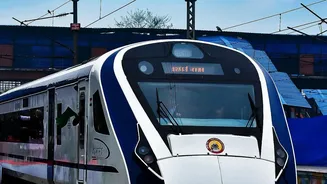
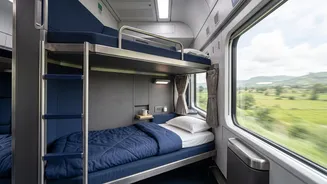
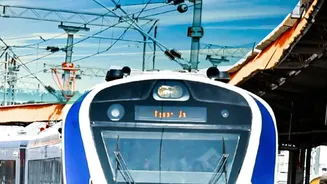
The Vande Bharat project represents a major push to modernise rail travel in India, aiming to provide a globally competitive experience with enhanced speed, safety, and comfort. The sleeper version, intended for long-distance overnight routes, is packed with upgrades, including ergonomically designed berths, better lighting, modern bio-vacuum toilets, and advanced safety features like the Kavach anti-collision system. The inclusion of the entrance buffer, even without a specific marketing claim, fits perfectly within this philosophy. It shows a granular attention to detail and a deeper understanding of the passenger experience. It is not just about big-ticket features but also about solving the small, persistent annoyances that can define a journey. This focus on subtle but impactful design is a promising sign for the future of train travel in the country.