







More Than Just a Meal
Think of the last great meal you had on a trip. It was more than just fuel, wasn't it? The flavours told a story about the local climate, the spices spoke of ancient trade routes, and the cooking techniques revealed generations of wisdom passed down in family
kitchens. This is the magic of culinary travel. When we follow a food trail, we're not just hunting for the best biryani or the flakiest parotta; we are actively tracing the lines of history, migration, and geography on a plate. Each dish becomes a delicious clue, unlocking a deeper understanding of a region's identity. It transforms you from a tourist who merely observes to a traveller who participates and connects.
Tasting History on the Spice Coast
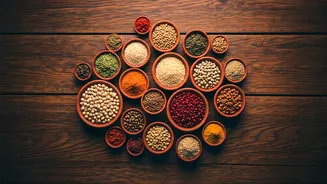
Take, for example, the coast of Kerala. For centuries, this was the epicentre of the global spice trade, a place where Arab, Chinese, and European traders jostled for pepper, cardamom, and cloves. You can still taste this history today. A food trail here is a journey through time. It might start in a seaside town, eating a fish curry infused with kudampuli (Malabar tamarind) and coconut, ingredients shaped by the land itself. The next day, you could be in the highlands, visiting a spice plantation where you can smell the cardamom before it ever reaches a pot. You’ll find Syrian Christian dishes with their unique stews, Mappila Muslim biryanis fragrant with spice, and Sadya feasts that are a masterclass in vegetarian cooking. Each meal is a delicious chapter in the story of the Malabar Coast.
Following Royal Kitchens and Courtly Cuisine
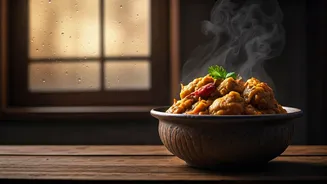
In other parts of India, food trails follow the legacy of royalty. The cuisines of Lucknow, Hyderabad, and Rajasthan were not developed by chance; they were perfected in the lavish kitchens of Nawabs and Maharajas who patronised chefs as artists. Following the Awadhi food trail in Lucknow means seeking out the softest galouti kebabs, rumoured to have been created for a toothless Nawab. It’s about tasting the complexity of a dum pukht biryani, where food is slow-cooked in a sealed pot to retain every nuance of flavour—a technique elevated to an art form in royal courts. This isn’t just eating; it’s experiencing a living tradition of courtly extravagance and culinary innovation.
A Plate Full of Migration Stories
Some of the most fascinating food trails are those that trace the movement of people. Consider the Parsi trail in Mumbai and Gujarat. Following it means tasting Dhansak, a unique blend of Persian and Gujarati influences in one hearty lentil-and-meat dish. It means searching for the legendary berry pulao at an Irani cafe, a taste of nostalgia for a community that has deeply shaped the fabric of the city. Similarly, the trail of Anglo-Indian cuisine tells a story of the British Raj through dishes like Railway Mutton Curry and mulligatawny soup—recipes born from a blend of British tastes and Indian ingredients. These meals are edible archives of how communities adapt, blend, and create something entirely new and delicious.
How to Create Your Own Food Trail
You don't need a formal tour guide to embark on a food trail. The best ones are often self-made. Pick a theme. It could be an ingredient: follow the journey of rice from the fields of Bengal to the idlis of Tamil Nadu. It could be a community: explore the culinary footprint of the Chettiars in Tamil Nadu. Or it could be a historical route, like the Grand Trunk Road, tasting how the food changes every few hundred kilometres. Talk to locals, ask for their favourite childhood meals, and visit neighbourhood markets. Ditch the fine-dining app for a day and look for the small, crowded eatery with a handwritten menu. That’s where the real story—and the best flavour—often lies.