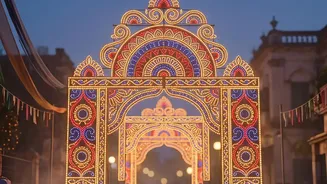




Varanasi is aglow, not just with the light of a million lamps, but with renewed energy. As the city prepares for Dev Deepawali on November 24, 2026, an unprecedented wave of international tourists is breathing new life into its ancient lanes.
The Diwali of the Gods
Dev Deepawali,
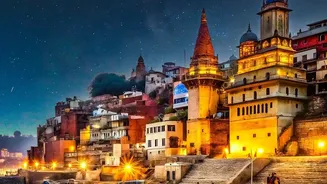
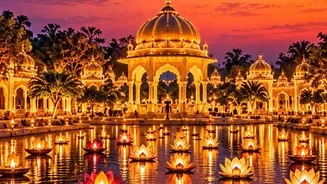
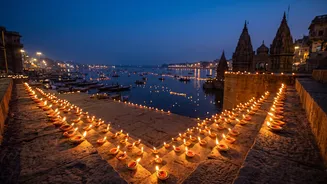
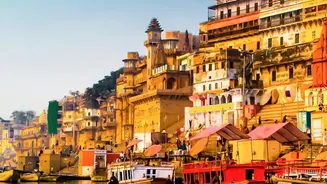
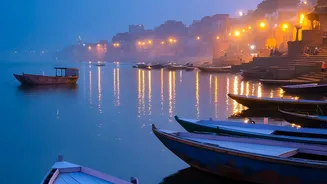
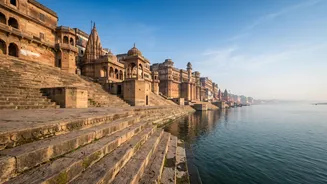
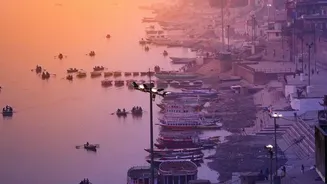
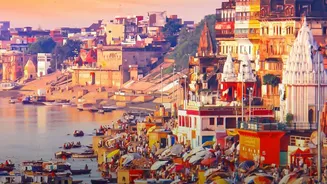
often called the 'Diwali of the Gods', is a spectacle unique to Varanasi. Celebrated on Kartik Purnima, the full moon night fifteen days after the nationwide Diwali festival, it holds a special significance. According to mythology, on this auspicious day, the gods descend to Earth to bathe in the holy waters of the Ganga. To welcome them, every one of the city's 84 ghats, from Ravidas Ghat to Raj Ghat, is illuminated with countless earthen lamps, or 'diyas'. The result is a breathtaking panorama of light, with the flickering flames creating a shimmering reflection on the river's surface, turning the entire riverfront into what looks like a celestial pathway. It is a moment of profound spiritual importance, marking Lord Shiva's mythical victory over the demon Tripurasura.
A Global Gathering on the Ghats
While Dev Deepawali has always attracted pilgrims from across India, the 2026 festival is marked by a significant return of international visitors. Tourists and spiritual seekers from dozens of countries are arriving in the city, drawn by the promise of witnessing one of the world's most visually stunning cultural events. For many, this is more than a photo opportunity; it is an immersive cultural experience. The festival's global appeal has been growing for years, amplified by social media and a deepening international interest in India's living heritage. In response, the state tourism department has even curated special itineraries and guided cultural tours to help global visitors navigate the festivities and understand their deep-rooted significance.
An Economic Blessing for the City
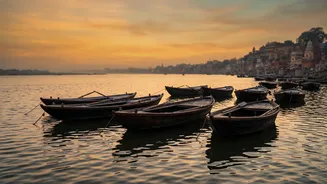
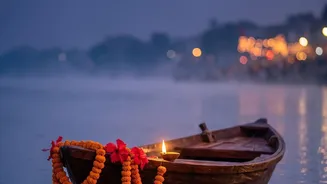
The influx of tourists has created a welcome economic boom for Varanasi. Reports from the days leading up to the festival indicate that hotels, guesthouses, and heritage properties are experiencing exceptionally high occupancy, with many completely booked out for the festival dates. Rooms with a view of the ghats are particularly sought after, often reserved months in advance. The demand has been a boon for the entire local economy. Boatmen, who provide the best vantage point for viewing the illuminated ghats, are fully booked. Local artisans, especially the potters who supply the millions of diyas, see a massive surge in business, as do flower sellers, food vendors, and local transport providers. This festival-driven economy provides a vital source of livelihood for countless families in the region.
Experiencing the Spectacle
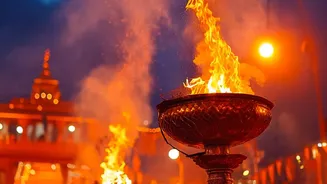
For those in the city, experiencing Dev Deepawali is a sensory overload in the best possible way. The evening begins with the Ganga Aarti at Dashashwamedh Ghat, a grander and more elaborate version of the daily ritual. As dusk falls, volunteers and residents begin lighting the diyas, and soon the entire riverfront is ablaze with light. The air is filled with the sound of chants, bells, and classical music performances held at various ghats. While navigating the crowded ghats on foot can be challenging, a boat ride on the Ganga offers a serene and panoramic perspective of any unparalleled spectacle. It is a community-driven spiritual outpouring that transforms the ancient city into a living, breathing work of art, a sight that remains etched in any memory of all who witness it.