





Understanding the Route
The journey between Lonavala and Mahabaleshwar is approximately 180 kilometres and typically takes around four to five hours without major stops. The primary route involves driving from Lonavala towards Pune and then taking the NH-48 (the old Mumbai-Pune
Highway) towards Satara. From Satara, you would turn off towards Wai to take the ghat road up to Panchgani and then Mahabaleshwar. This route is a mix of well-maintained highways and winding hill roads, each presenting different challenges during the monsoon.
Monsoon Road Conditions: What to Expect
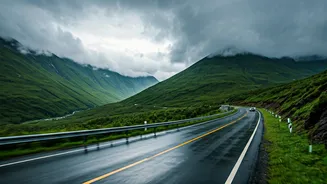
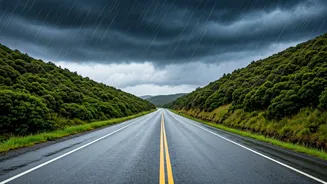
The National Highways Authority of India (NHAI) often carries out pre-monsoon maintenance, including repairing pavement and clearing drains to prevent waterlogging. However, heavy and sustained rainfall, as is common in July, can still lead to challenges. Potholes can develop quickly, and some sections of NH-48 have historically been prone to them during heavy rains. While major highways like the Mumbai-Pune Expressway and NH-48 generally remain open, waterlogging can cause significant traffic slowdowns. The most critical part of the journey is the final ascent through the ghats to Mahabaleshwar, which can be susceptible to closures.
The Ghat Section: Fog and Landslide Risks
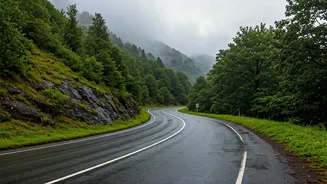
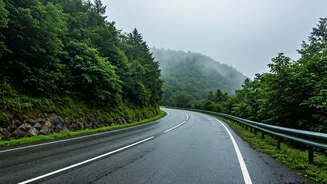
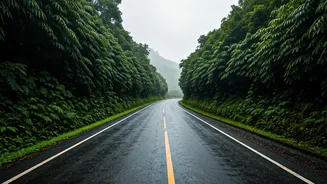
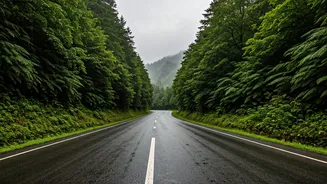
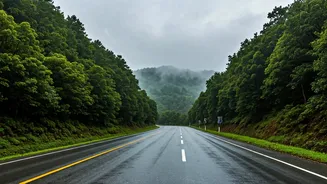
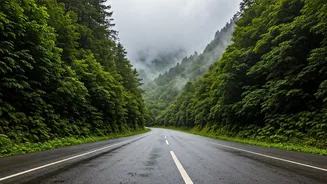
The drive up to Mahabaleshwar, particularly the Wai-Panchgani route or the alternative Medha ghat road, is where drivers must be most cautious. Mahabaleshwar is one of the wettest places in the region, and dense fog is a common feature, capable of reducing visibility to near zero almost instantly. Landslides are another significant risk in the Western Ghats during periods of intense rainfall. While authorities work to clear blockages, roads can be closed for hours or even days. It is crucial to check local advisories from the Maharashtra State Road Development Corporation or local police before starting your ascent.
Essential Vehicle Preparation
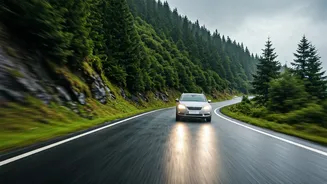
Before you even think of starting the engine, a thorough vehicle check is non-negotiable. Ensure your tyres have adequate tread depth for good grip on slippery roads. Check your brakes, as wet conditions increase braking distance. Your windscreen wipers must be in perfect working order, as visibility can drop suddenly in a downpour. Functional headlights, taillights, and fog lamps are essential for being seen by other drivers in foggy or rainy conditions. Also, make sure all fluid levels are topped up and you have a full tank of fuel.
Safe Driving Practices for the Monsoon
Driving in the ghats during monsoon requires a different mindset. Reduce your speed significantly and maintain a greater distance from the vehicle ahead. Use lower gears when ascending and descending steep slopes to maintain better control and reduce strain on your brakes. Honk on blind curves to alert oncoming traffic. One of the most important rules is to never drive through flowing water on the road; it's impossible to judge the depth or the current. If the rain becomes too heavy or fog too dense, the safest option is to pull over at a safe spot and wait for conditions to improve.
The Verdict: So, Is It Safe?
Driving from Lonavala to Mahabaleshwar in the monsoon can be safe, but only with careful planning, extreme caution, and a flexible itinerary. The journey is not for inexperienced drivers or those in a hurry. Always travel during daylight hours, as night driving multiplies the risks. The weather forecast for July 2026 indicates frequent rain, with chances of heavy showers increasing. If a red or orange alert is issued, it is wisest to postpone your travel plans. Check with hotels or local contacts in Mahabaleshwar about the ground situation before you leave.