


A UNESCO World Heritage Site
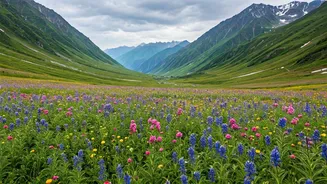
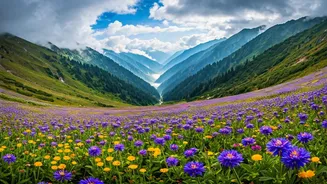
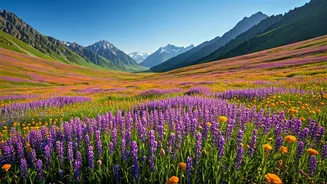
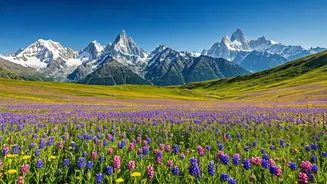
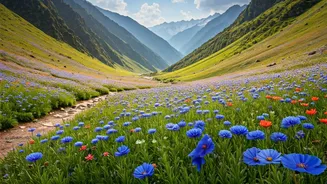
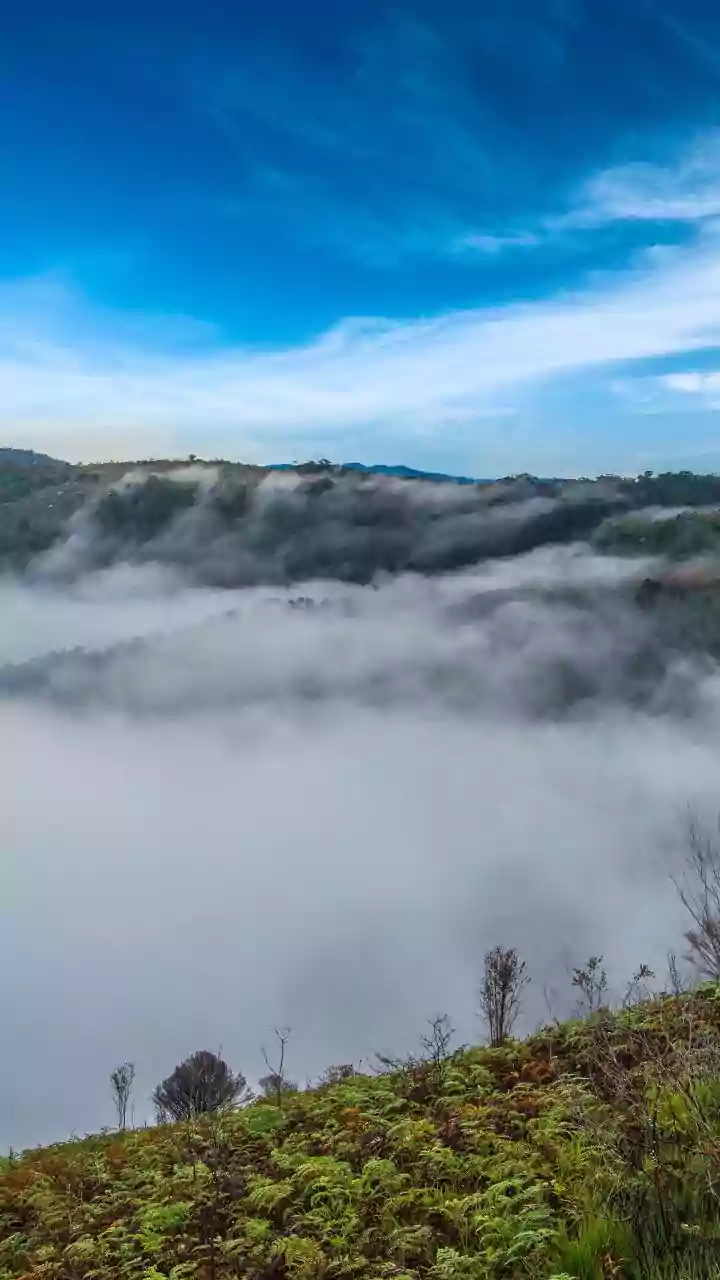
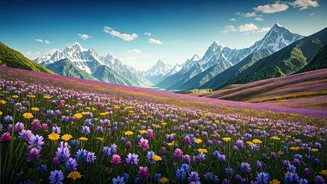
Nestled in the Chamoli district of Uttarakhand, the Valley of Flowers is more than just a beautiful meadow; it's a designated UNESCO World Heritage Site. This vibrant and stunning landscape, set against the majestic Zanskar range, is renowned for its
meadows of endemic alpine flowers and diverse fauna. Closed for most of the year due to heavy snow, the valley's annual opening marks a brief but glorious window for visitors to witness its full splendour. It's a place where the grandeur of the Himalayas meets the delicate beauty of nature in its most pristine form.
The Best Time to Visit
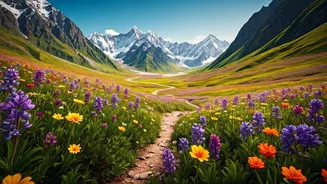
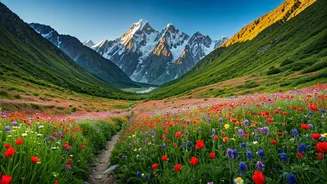
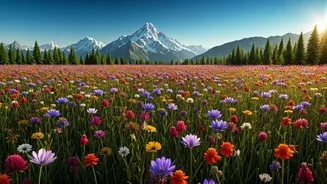
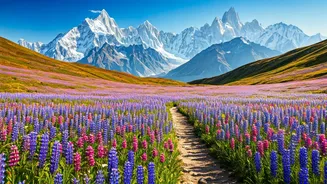
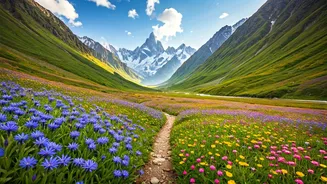
The Valley of Flowers typically opens to the public on June 1st and closes around late October or early November, depending on weather conditions. While the entire season offers breathtaking views, the peak blooming period is from mid-July to mid-August. During this time, the valley is a riot of colour, with over 500 species of flowers, including the famous Brahma Kamal, Blue Poppy, and Cobra Lily, creating a spectacle that feels almost otherworldly. Visiting earlier in the season will present a greener landscape, while the colours intensify as the monsoon progresses.
The Journey and The Trek
Reaching this paradise requires effort, which only adds to its allure. The journey begins from Govindghat, near Joshimath. From there, a well-defined trekking path of about 14 kilometres leads to the base camp, Ghangaria. This trek can be done on foot, by pony, or via helicopter service, which operates depending on the weather. Ghangaria is a small settlement with basic guesthouses and serves as the overnight halt, as camping or staying inside the Valley of Flowers itself is not permitted. From Ghangaria, a further 3-4 kilometre trek takes you to the entrance of the valley. The trail is moderately difficult, but the rewarding views make every step worthwhile.
What to Expect Inside the Valley
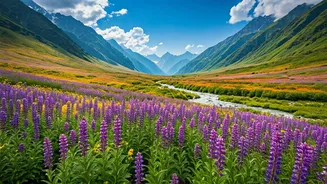
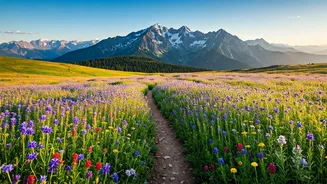
Once you pass the entry gate, the valley unfolds before you. A relatively flat path meanders through the landscape for several kilometres, flanked by a sea of flowers on both sides. The Pushpawati River flows gently through the middle, its glacial waters adding to the serene atmosphere. Visitors are required to buy a permit at the entrance and must exit the valley by 5 PM. It is a plastic-free zone, and visitors are expected to carry all their waste back with them. The air is thin at this altitude (around 3,600 metres), so it's crucial to walk slowly and stay hydrated.
Essential Tips for Your Trip
Proper planning is key to a successful trip. Acclimatise properly in Joshimath or Ghangaria to avoid altitude sickness. Pack layers of clothing, as the weather can change in an instant, from sunny to cold and rainy. Waterproof jackets, sturdy trekking shoes, and a rain cover for your backpack are non-negotiable. Carry a basic first-aid kit, sunscreen, and sunglasses. While Ghangaria has food options, it's wise to carry energy bars, nuts, and a water bottle for the trek into the valley. And most importantly, book your accommodation in Ghangaria well in advance, especially if travelling during the peak season.
Don't Miss Hemkund Sahib
While in Ghangaria, many pilgrims and trekkers make the steep 6-kilometre climb to Hemkund Sahib, one of the highest Gurudwaras in the world. Situated at an altitude of over 4,300 metres, this star-shaped shrine sits beside a serene glacial lake. The trek is challenging but offers panoramic views of snow-capped peaks. It’s a spiritual and physical journey that perfectly complements the natural beauty of the Valley of Flowers, making for a truly unforgettable Himalayan experience.