






A Monsoon of Extremes
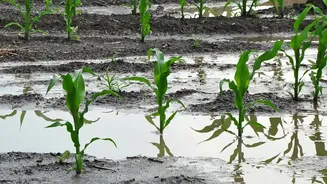
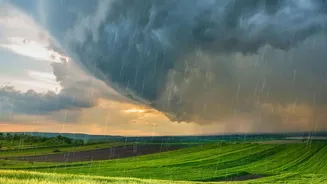
The 2026 southwest monsoon has been one of the most spatially skewed in a decade. By early September, the nationwide rainfall deficit was hovering around 14% below normal. But this national average masks a stark reality: a patchwork of intense rain in some
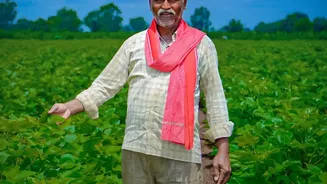
areas and severe deficits in others, particularly in the south peninsula and parts of eastern and northeastern India. This uneven distribution is proving more challenging for the agricultural economy than a uniform shortfall, as it creates unpredictable conditions for farmers across the country. While Kharif sowing has remained surprisingly resilient, the focus has now shifted to the upcoming winter, or Rabi, crop season.
Why September's Rain Is So Critical
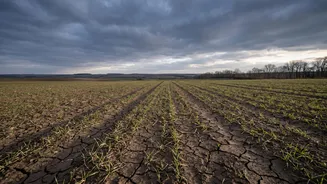
The Rabi season, which accounts for roughly half of India's total foodgrain production, begins in October. Crops like wheat, mustard, and gram are sown during this period. Their successful germination and early growth depend heavily on the amount of moisture left in the soil by the departing monsoon. Late-season rains in September are vital for recharging this soil moisture. With the India Meteorological Department (IMD) forecasting below-normal rainfall for September, concerns are mounting. A dry end to the monsoon means farmers may have to rely more on irrigation or delay sowing, potentially impacting crop health and yield from the very start.
Reservoirs: The Lifeline for Winter Crops
Beyond soil moisture, the monsoon's performance directly impacts the water levels in India's major reservoirs. As of mid-September, the picture is mixed. While recent rains have improved storage in western and central regions, overall national levels remain below normal and significantly lower than last year. The situation is particularly concerning in the southern region, where reservoirs are well below their normal capacity. Since the Rabi season is predominantly dry, farmers depend on this stored water for irrigation. Low reservoir levels, especially in the south and north, pose a significant risk to irrigated crops and could constrain the area farmers are able to plant.
Which Crops Are Most at Risk?
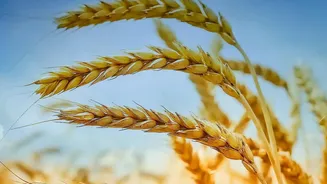
The primary Rabi crops are central to India's food security. Wheat, the main winter staple, requires adequate moisture for sowing and cool temperatures. An intensifying El Niño, which has contributed to the erratic monsoon, could also affect winter temperatures and pose a risk to the crop. Other major Rabi crops include mustard (rapeseed) and pulses like chana (gram) and masur (lentils). Deficient soil moisture and low reservoir levels threaten the outlook for all these crops. While some, like gram and mustard, are relatively less water-intensive, a widespread lack of moisture could still lead to a reduction in sown area and lower overall production.
What This Means for Your Wallet
The connection between farm yields and household budgets is direct. A weaker-than-expected Rabi harvest can tighten supply, leading to a rise in food prices. Food inflation has already been a concern, with prices for staples like rice, pulses, and edible oils showing an upward trend. A poor Rabi season could exacerbate this pressure. For instance, reduced wheat production would affect the price of atta (flour), while a shortfall in mustard could drive edible oil prices higher. While government officials have expressed hope that the situation is manageable, the conditions have set the stage for potential price volatility in the first half of next year.