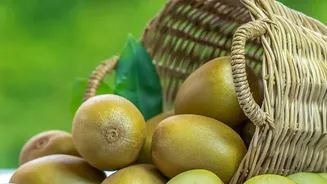




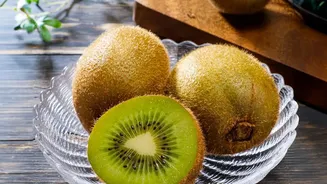

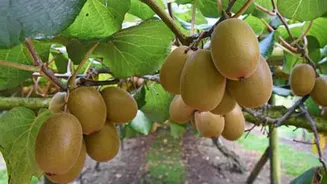
Imagine stepping onto your terrace to pick fresh, juicy kiwis. Growing this exotic vine at home is more achievable than you think, especially if you have a sunny spot and a little patience. Here’s what you need to know.
Choose the Right Kiwi for Your Space
Your first major decision is choosing
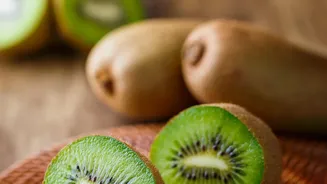
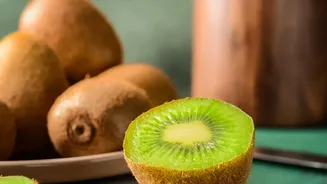
a variety. Most kiwi plants are dioecious, meaning you need separate male and female plants for pollination. For small spaces like a terrace, this can be a challenge. The solution is a self-fertile variety. Cultivars like 'Jenny' or the hardy 'Issai' are excellent choices for home growers because a single plant can produce fruit on its own, making them ideal for container gardening. If you have more space, you can plant a male and a female vine. Generally, one male plant can pollinate up to eight female plants. Hardy kiwi varieties (Actinidia arguta) produce smaller, smooth-skinned fruit perfect for eating whole, while fuzzy kiwis (Actinidia deliciosa) are the larger type commonly found in stores.
Sunlight and Support are Non-Negotiable
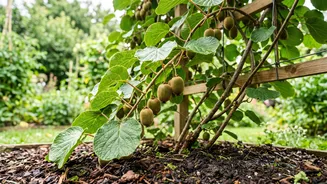
As the headline suggests, kiwis are sun-lovers. They require a location that receives at least six to eight hours of direct sunlight daily to thrive and produce fruit. A south or west-facing wall is perfect, as it provides both ample sun and shelter from strong winds. Kiwis are vigorous climbing vines, not trees, and can grow over 25 feet long. They need a strong, permanent support structure from day one. Before you even plant, install a sturdy trellis, pergola, or T-bar system. This support is crucial to manage the vine's growth and bear the weight of the foliage and eventual fruit.
Potting and Soil Preparation
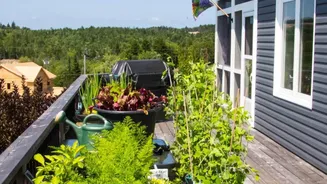
For container growing, choose the largest pot you can accommodate—at least 45cm (18 inches) in diameter is a good start. Ensure it has excellent drainage holes to prevent waterlogging, which can lead to root rot. Kiwi vines prefer fertile, well-drained, slightly acidic soil with a pH between 5.5 and 6.5. A high-quality potting mix amended with organic matter like compost or well-rotted manure is ideal. Avoid heavy garden soil in pots, as it compacts easily and drains poorly. Adding a layer of mulch on top of the soil will help retain moisture and keep the roots cool.
Essential Pruning for Fruit Production
Pruning is absolutely essential to control the vine’s aggressive growth and encourage fruiting. An unpruned kiwi becomes a tangled mess that produces very little fruit. There are two main pruning seasons. The first is a major structural prune in late winter when the plant is dormant. During this time, you'll remove old wood that has already fruited (kiwis fruit on one-year-old canes) and select new, healthy canes to form the framework for the upcoming season. The second is summer pruning, which involves trimming back excessive green growth to allow sunlight to reach the developing fruit and improve air circulation.
Watering, Feeding, and Patience
Container-grown plants dry out faster than those in the ground, so consistent watering is key. Keep the soil evenly moist but not soggy. Water deeply, especially during hot, dry weather, to prevent the plant from becoming stressed. Feed your vine in early spring with a balanced fertilizer. Once the growing season is underway, switching to a high-potash feed, like one formulated for tomatoes, can help promote flowers and fruit. Finally, be patient. It can take three to five years for a new kiwi vine to mature and start producing fruit. Once established, however, it can reward you with delicious, homegrown kiwis for decades.