




The Rise of the Kitchen Garden
In cities across India, space is a luxury. Balconies are small, and traditional gardens are often out of the question. Yet, the desire for fresh, pesticide-free produce has never been stronger. This is where hydroponic micro gardening kits come in. These
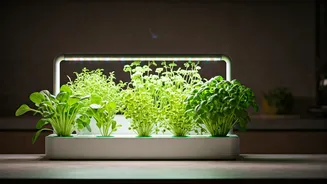
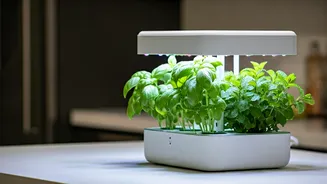
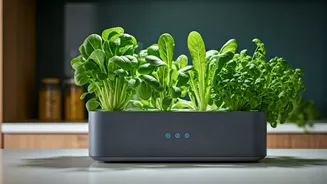
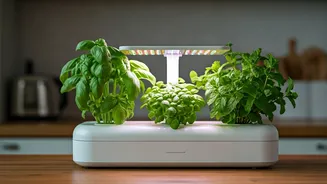
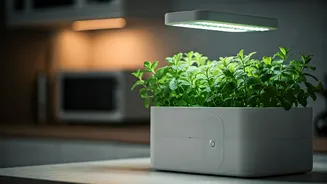
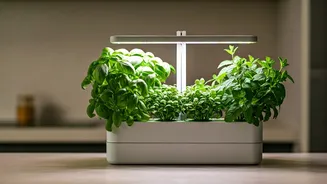
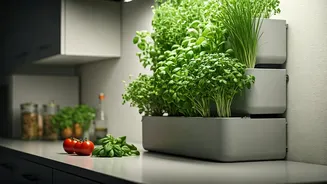
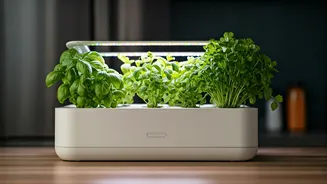
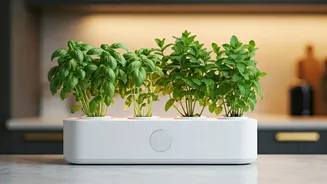
sleek, compact devices are designed to fit seamlessly onto a countertop, bringing the farm-to-table experience into the heart of the urban home. They represent a fusion of technology, wellness, and a return to understanding where our food comes from, even in the most modern of living spaces. It’s a quiet revolution taking place in kitchens, one fresh herb at a time.
How Does It Work? Gardening Without Soil
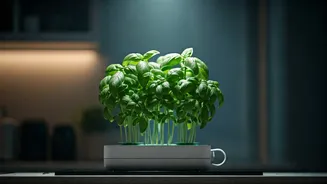
The word ‘hydroponics’ might sound technical, but the concept is simple: it’s the art of growing plants without soil. Instead of pulling nutrients from the earth, the plants' roots are suspended in, or intermittently fed by, a nutrient-rich water solution. A typical countertop kit includes a water reservoir, a pump to circulate the water and oxygen, and built-in LED grow lights that mimic sunlight. You simply pop in a pre-seeded pod (often provided by the manufacturer), fill the reservoir with water and the liquid nutrient solution, plug it in, and set the timer. The system automates the watering and lighting, creating a perfect, year-round growing environment.
The Many Perks of a Countertop Harvest
The most obvious benefit is the immediate access to unparalleled freshness and flavour. Store-bought herbs often travel long distances and lose their potency; homegrown herbs are harvested moments before use. But the advantages go beyond taste. These systems are incredibly clean—no soil means no dirt, no mud, and fewer pests. For busy individuals or gardening novices, they remove the guesswork of watering schedules and sunlight requirements. Studies have also shown that plants can grow up to 50% faster in a hydroponic system than in soil because nutrients are delivered directly to the roots, allowing the plant to focus its energy on growth.
Is It Really a ‘Set and Forget’ System?
While manufacturers market these kits as effortless, a little bit of care is required. Think of it as a very low-maintenance pet. You’ll need to top up the water reservoir every week or two and add liquid nutrients according to the instructions, typically every couple of weeks. Occasionally, you may need to clean the tank to prevent algae build-up. The automated lights and pumps are the real heroes, doing most of the heavy lifting. The learning curve is minimal, and the reward of watching something grow from a tiny seed to a lush, edible plant is immensely satisfying. It’s less ‘set and forget’ and more ‘check in and enjoy’.
What to Consider Before You Buy
Before you jump on this green trend, consider a few practical points. First is the initial cost, which can range from a few thousand rupees for a small, basic kit to significantly more for larger, smarter models with app connectivity. Second, consider the size and where it will live in your kitchen; ensure you have a stable surface near a power outlet. Third, while the LED lights are efficient, they do consume electricity and are quite bright, which might be a factor in an open-plan living space. Finally, think about the noise. Most kits have a small water pump that runs intermittently, creating a gentle hum or trickling sound that some find soothing and others might find distracting.
Your First Hydroponic Herb Garden
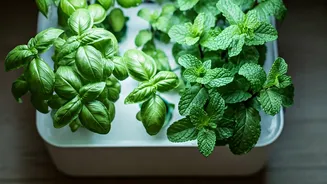
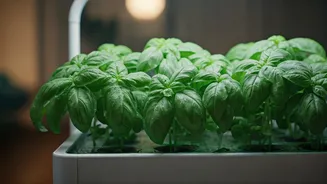
Ready to start? The best way is to begin with herbs that are known to thrive in hydroponic systems. Basil is a classic choice; it grows quickly and prolifically. Mint is another winner, perfect for drinks and chutneys. Other great options for beginners include parsley, chives, oregano, and lemon balm. Many kits come with a starter pack of seed pods, allowing you to experiment with different varieties. The joy is in the discovery and the delicious results.