







Know Your Enemy: The Aedes Mosquito
The primary culprit behind dengue is the Aedes aegypti mosquito. Unlike other mosquitoes that are active at night, this species is a daytime biter, with peak activity in the early morning and before dusk. The monsoon season creates the perfect environment
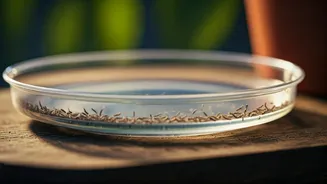
for them, as the warm, humid climate and abundant standing water accelerate their breeding cycle. These mosquitoes don't need a large pond to multiply; a tiny amount of stagnant water, as little as what collects in a bottle cap, is enough for them to lay their eggs. Understanding this is the first step in reclaiming your garden and home from this pervasive threat.
Your Top Priority: Eliminate Standing Water
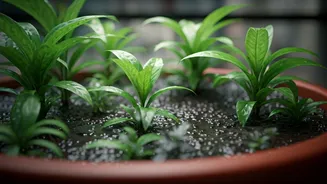
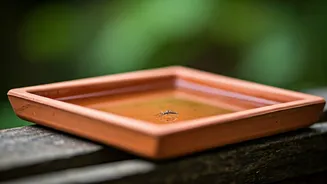
The most effective way to prevent dengue is to eliminate mosquito breeding grounds. This requires a weekly patrol of your garden and home. Pay close attention to flowerpot saucers, which are notorious for collecting water. Other common culprits include discarded tyres, buckets, plastic containers, clogged gutters, and even children's toys left outside. It's crucial to empty and dry these items regularly. For larger containers like water tanks, ensure they are tightly covered. Remember to also check for waterlogging in compacted soil and ensure your plant pots have clear drainage holes. Simply dumping water is not always enough; scrubbing the insides of containers is recommended to remove eggs that can survive dry conditions and hatch later.
Create a Mosquito-Repellent Garden
While eliminating water sources is paramount, you can also harness the power of nature to deter mosquitoes. Certain plants release strong scents that mosquitoes find unpleasant, creating a natural barrier. Marigolds are a popular choice, as their distinct smell repels not only mosquitoes but other garden pests. Tulsi (Holy Basil) is another powerful plant, known to be effective in killing mosquito larvae and repelling insects with its strong aroma. Other excellent additions include Lemongrass and Citronella, which contain oils widely used in commercial repellents. Lavender, Mint, Rosemary, and even Garlic plants can also contribute to a more mosquito-resistant garden, adding beauty and utility at the same time.
A Whole-Home Defense Strategy
Mosquitoes don't stay confined to the garden. A comprehensive prevention plan extends to your entire home. The Aedes mosquito is known for breeding in clean, indoor water sources. This includes water trays of refrigerators, AC drip pans, and even decorative money plants or bamboo if the water isn't changed every few days. Ensure window and door screens are properly fitted and without tears. Inside, use natural repellents like eucalyptus or peppermint oil. When outdoors, especially during peak biting hours, wearing light-coloured, long-sleeved clothing can significantly reduce your risk of being bitten.
Recognise the Symptoms and Act Fast
Despite our best efforts, infections can still occur. Knowing the symptoms of dengue is crucial for seeking timely medical care. The illness often starts with a sudden high fever (104°F or 40°C), severe headache (often behind the eyes), and debilitating muscle and joint pain, which gives it the nickname "breakbone fever". Other common signs include nausea, vomiting, and a skin rash. While many recover within a week, some cases can become severe. Warning signs include severe abdominal pain, persistent vomiting, bleeding from the gums or nose, and difficulty breathing. If these appear, immediate medical attention is necessary.