






Step 1: Create a Sanctuary
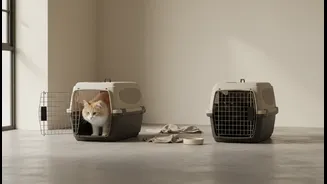
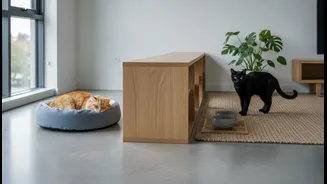
Before your new cat even arrives, prepare a dedicated “sanctuary room.” This could be a spare bedroom or office with a secure door. This space is not a punishment; it’s a safe basecamp where the newcomer can decompress from the stress of a new environment.
Equip the room with everything they need: their own food, water, litter box, a comfortable bed, hiding spots, and toys. For the first week or so, the cats should be kept completely separate, with no visual contact. This initial separation allows the new cat to adjust and your resident cat to get used to the idea of another feline’s presence from a safe distance.
Step 2: The Power of Scent
Cats communicate heavily through scent, and you can use this to your advantage. After a few days of separation, begin “scent swapping.” Take a blanket or soft cloth and rub it gently on one cat’s cheeks and body, then place it in the other cat’s area. Do the same in reverse. This allows them to investigate each other’s smell without the threat of a face-to-face encounter. You can also brush both cats with the same brush to create a shared “group scent.” At first, only present the scented item when you are there to offer treats and praise for calm, curious behaviour. If you see hissing or fear, simply remove the item and try again later. The goal is to build a positive association with the other cat's smell.
Step 3: Swap Spaces
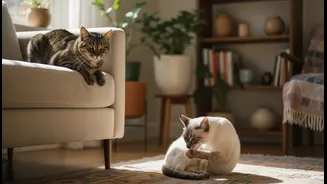
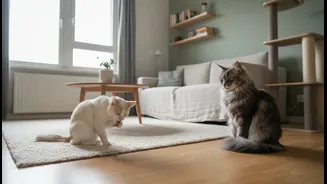
Once both cats are relaxed with scent swapping, it's time to let them explore each other's territory—while still remaining separate. Put your resident cat in the newcomer’s sanctuary room, and allow the new cat to roam the main part of the house for a short, supervised period. This is a huge step in their familiarisation process. The new cat gets to know their wider surroundings, while the resident cat can investigate the newcomer's scent in a concentrated space. Keep these sessions short initially and make them positive with praise and attention. This reciprocal exploration helps normalise the presence of another cat in the home, reducing territorial anxiety.
Step 4: The First Glimpse
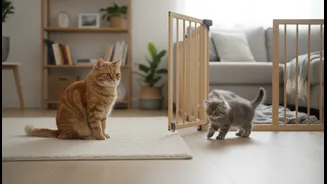
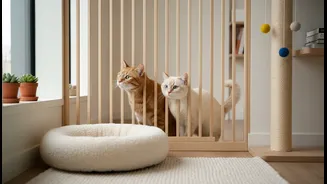
When both cats seem comfortable with swapped scents and spaces, you can move to a visual introduction without physical contact. You can achieve this by stacking two baby gates in a doorway or cracking the door just enough for them to see each other. Conduct these sessions during feeding time. Place their food bowls on opposite sides of the barrier, starting far apart and gradually moving them closer with each successful meal. This helps them associate the sight of the other cat with something positive—food. Keep these visual meetings short and sweet. If you notice any staring, hissing, or growling, close the door and give them a break. The goal is neutrality and relaxation.
Step 5: Supervised Shared Space
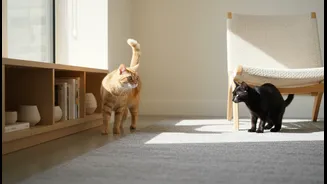
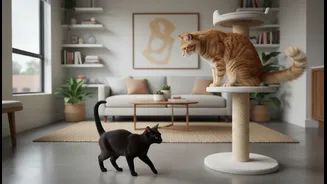
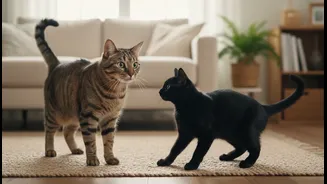
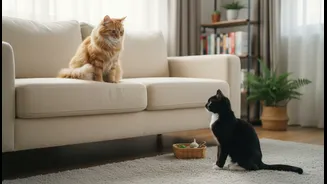
This is the final and most delicate step. When your cats can eat calmly on opposite sides of the gate, you can allow them to share the same room under strict supervision. Choose a neutral space with plenty of escape routes and hiding spots. Don't force interaction. Instead, engage each cat in a separate activity you know they enjoy, like playing with a favourite wand toy or offering high-value treats. The aim is for them to coexist in the same space while having a positive experience. Keep the first few sessions very short—just a few minutes. A little hissing is normal as they establish boundaries, but if a fight seems imminent, calmly create a distraction (like a loud clap) and separate them immediately. Gradually increase the duration of their time together as they become more comfortable.