

Ziro Valley, Arunachal Pradesh: A Green Canvas
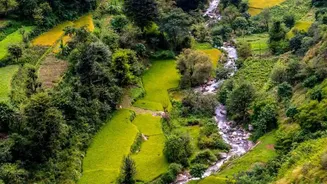
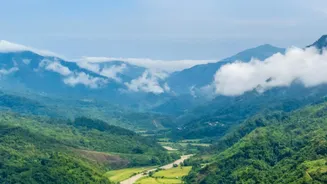
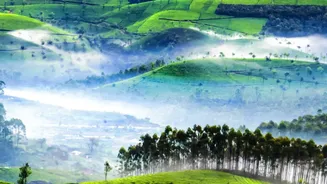
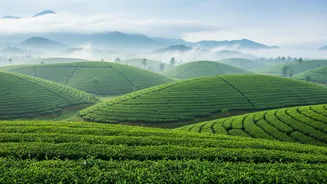
Nestled in Arunachal Pradesh, Ziro Valley becomes an artist’s canvas during the monsoon. The valley, home to the Apatani tribe, is famous for its unique paddy-cum-fish cultivation system. In the rains, these fields turn a brilliant, almost surreal shade
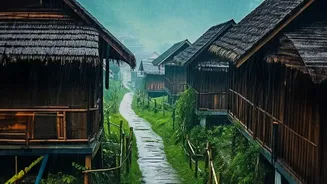
of green, set against a backdrop of pine-clad mountains shrouded in mist. The weather is cool and pleasant, offering a tranquil escape. It’s a place for slow travel—walking through villages like Hong and Hari, interacting with the warm locals, and simply soaking in the serene atmosphere. While the famous Ziro Music Festival happens towards the end of the monsoon in September, visiting in July or August offers a quieter, more intimate experience with nature.
Dzukou Valley, Nagaland: The Valley of Flowers
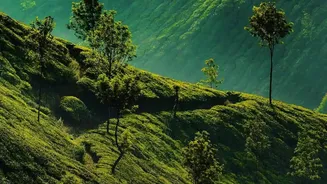
Straddling the border of Nagaland and Manipur, Dzukou Valley is a trekker's paradise that truly comes alive in the monsoon. From late June through August, the rolling green meadows are blanketed with a stunning variety of wildflowers, including the rare and beautiful Dzukou Lily, which blooms only in this valley. The trek itself, starting from villages like Viswema or Jakhama, is an adventure through lush forests and bamboo groves. Reaching the valley floor at over 2,400 metres feels like stepping into another world. The monsoon adds a layer of challenge with slippery trails, but the reward is a landscape of unparalleled beauty, with streams crisscrossing the green carpet and clouds drifting through the hills.
Majuli, Assam: A Disappearing River Island
The world's largest river island, Majuli in Assam, offers a unique and soulful monsoon experience. While the Brahmaputra River swells and can make travel unpredictable, it's also when the island is at its most lush and vibrant. Life slows down even more, offering a chance to witness the unique culture of the local Mishing tribe and explore the ancient Vaishnavite monasteries, or Satras, without the usual tourist crowds. Imagine cycling on narrow paths through emerald paddy fields, watching dramatic sunsets over the wide river, and experiencing the raw, untamed beauty of the island as the rain nourishes the land. It's an immersive cultural and natural retreat, though it's wise to check conditions due to the risk of floods.
Unakoti, Tripura: Where Gods Rest in Stone
For a blend of history, mystery, and nature, Unakoti in Tripura is a compelling monsoon destination. This ancient Shaivite pilgrimage site features enormous rock-cut carvings and stone idols of gods and goddesses, hidden within a forested hill. During the monsoon, the entire area is transformed. Water trickles down the massive stone faces of Shiva, and the surrounding vegetation becomes thick and green, making the site feel like a lost ruin from an adventure film. The rain washes the carvings clean, revealing details that might otherwise be missed. The name 'Unakoti' means one less than a crore, and legend says it is the number of deities present here. Visiting during the rains is an atmospheric experience, though one must be careful on the slippery stone steps.
A Note on Monsoon Travel
While the monsoon enhances the beauty of these destinations, it also brings challenges. Roads can be prone to landslides, and travel plans may need to be flexible. It is essential to pack waterproof gear, non-slip footwear, and a first-aid kit. Hiring local drivers who are experienced with the terrain is highly recommended. Always check local weather forecasts and road conditions before and during your trip. With the right preparation, a monsoon journey through the Northeast can be a deeply rewarding and unforgettable adventure.