





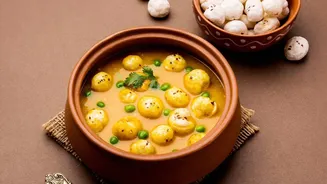
The Gentle Heat of Clay
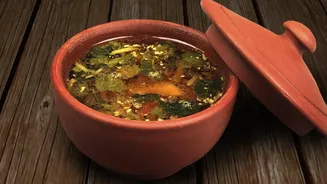
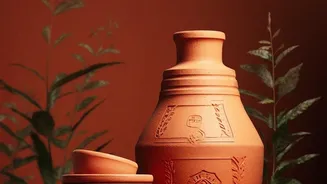
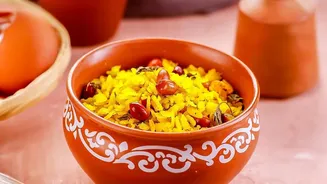
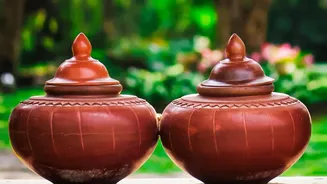
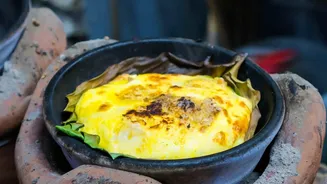
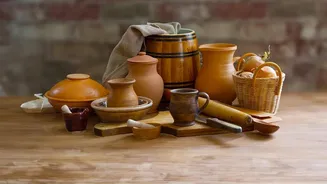
Earthenware, or clay pots, work on a simple yet effective principle: slow and steady heat. Clay is naturally porous and a poor conductor of heat compared to metal. This means it heats up gradually and distributes that heat evenly, creating a gentle cooking
environment. The porous nature allows both heat and moisture to circulate throughout the pot, which cooks food in its own juices and steam. This process avoids the aggressive, high temperatures that can scorch food and degrade its nutritional profile. Instead of a rapid boil, food in a clay pot simmers slowly, allowing flavours to develop fully while being gentler on delicate ingredients.
The Science of Pressure Cooking
Stainless steel pressure cookers are designed for speed. By sealing the pot, they trap steam, which builds up pressure inside. This increased pressure raises the boiling point of water well above 100°C. While this high-temperature, high-pressure environment cooks food remarkably fast, it can be harsh on certain components of the food. On the other hand, some research suggests that because the cooking times are so short, pressure cooking can actually be very effective at retaining nutrients, in some cases preserving 90-95% of them. The key difference lies in the intensity; metal transfers heat very quickly, leading to rapid temperature spikes.
Impact on Heat-Sensitive Vitamins
The main concern with high-heat cooking methods is their effect on heat-sensitive, water-soluble nutrients. Vitamins like Vitamin C and B-complex vitamins are notoriously delicate and can be significantly reduced by high temperatures. The slow, low-temperature cooking process in earthenware is more protective of these fragile compounds. While pressure cooking is fast, the intense thermal environment can still contribute to the degradation of these vitamins. However, studies have shown pressure cooking preserves nutrients better than boiling, which leaches a high amount of nutrients into the water. In a clay pot, the gentler heat helps preserve a greater percentage of these essential vitamins within the food itself.
Balancing Acidity and Flavour
Another interesting property of clay is its natural alkalinity. When you cook acidic foods like tomatoes, tamarind, or yogurt-based curries, the alkaline nature of the pot can help neutralize some of that acidity. This not only results in a milder, more balanced flavour but can also make the food easier to digest for those sensitive to acidic meals. This chemical interaction is unique to earthenware and is not something that occurs when cooking in inert stainless steel, which does not react with the food's pH levels. Some proponents also claim that clay pots can impart trace minerals like calcium, iron, and magnesium into the food.
Moisture, Oil, and Overall Taste
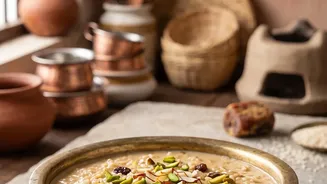
The porous walls of an earthen pot create a self-basting effect. Moisture is constantly circulating, keeping dishes tender and juicy without the need for excess water or oil. This can lead to healthier, lower-fat meals that are still rich in flavour. The slow merging of flavours in a clay pot results in a depth and aroma that is difficult to replicate with faster cooking methods. While stainless steel is prized for its durability and non-reactive surface, clay offers a cooking experience that enhances not just nutrition but also the sensory qualities of a dish, giving stews and curries a uniquely earthy and complex taste.