






A Deliberate Digital-First Strategy
The sudden ubiquity of Gulf destinations on Indian social media is no accident. It is the result of a highly strategic, well-funded push by Gulf nations to capture the world's fastest-growing outbound travel market: India. Tourism authorities in the UAE,
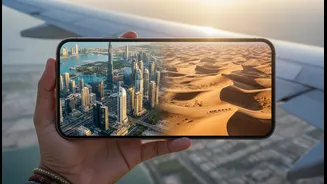
Saudi Arabia, and Qatar have identified India, particularly its young, aspirational demographic, as a priority market. This has translated into aggressive social media campaigns, partnerships with Indian Premier League (IPL) teams, and collaborations with hundreds of Indian travel influencers who are invited to showcase a curated version of the Gulf experience. The content is tailored perfectly for the Instagram generation—highlighting visually spectacular attractions like Dubai's Museum of the Future, thrilling desert safaris, and exclusive musical or sporting events. The goal is to create a constant stream of aspirational content that embeds these destinations into the daily digital consumption of young Indians.
It's Never Been Easier to Go
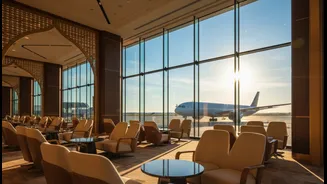
A powerful marketing campaign is only effective if the product is accessible. Gulf countries have systematically dismantled barriers to travel for Indians. Simplified visa processes, including visa-on-arrival options and a 96-hour stopover visa in Saudi Arabia that includes a complimentary hotel night, have been game-changers. This is coupled with a massive increase in air connectivity. Dozens of daily flights now connect major Indian metros and even Tier-2 cities to hubs like Dubai, Abu Dhabi, Doha, and Riyadh, keeping travel times short and fares competitive. For young professionals looking for a quick international break without the hassle of extensive visa paperwork or long-haul flights, a four or five-day trip to the Gulf has become an incredibly attractive and feasible option.
Beyond the Shopping Mall
While Dubai has long been a favourite for its shopping festivals and gold souks, the appeal is now much broader. Young Indian travellers are increasingly driven by experiences over simple sightseeing. Gulf destinations have diversified their offerings to cater precisely to this trend. Adventure is a huge draw, with activities like dune bashing, skydiving over the Palm Jumeirah, and exploring the natural landscapes of Ras Al Khaimah or Saudi Arabia's AlUla region gaining popularity. Culture is another major pull. The Louvre Abu Dhabi, Qatar's Museum of Islamic Art, and the historic Diriyah district in Saudi Arabia offer a blend of world-class heritage and stunning architecture. Add to this a packed calendar of concerts, F1 races, and global sporting events, and the Gulf presents itself as a dynamic, multifaceted destination that offers far more than just retail therapy.
A Vision for the Future
This tourism boom is a core pillar of the ambitious economic diversification plans of Gulf nations, such as Saudi Arabia's Vision 2030. These countries are investing billions in new tourism infrastructure, from futuristic Red Sea resorts to next-generation theme parks like Six Flags Qiddiya. For them, India is not just a market; it is the market. Saudi Arabia, for instance, welcomed 1.5 million Indian tourists in 2023, a 50% increase from the previous year, and aims to attract 7.5 million annually by 2030, anticipating India will become its number one source market. Qatar has also been actively courting the Indian market with roadshows in major cities, highlighting its luxury, wellness, and family offerings. This sustained, long-term focus ensures that the flow of content, deals, and new attractions targeting Indian youth is unlikely to slow down anytime soon.