




Fibre: The Basics
Before diving into the two types, let’s quickly define dietary fibre. It is a type of carbohydrate found in plant-based foods like fruits, vegetables, whole grains, and legumes. Unlike other carbs, your body cannot digest or absorb fibre. Instead, it passes
relatively intact through your digestive system, playing a crucial role in your health along the way. According to the Indian Council of Medical Research (ICMR), most Indian adults should aim for about 25-30 grams of fibre daily, though studies show many people get only half that amount.
Soluble Fibre: The Gel-Former
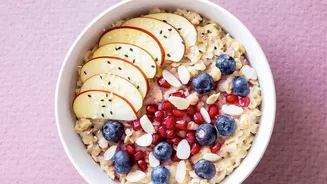
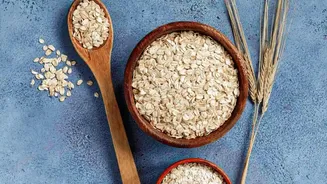
Soluble fibre gets its name because it dissolves in water and other bodily fluids to form a gel-like substance in your digestive tract. Think of how oats thicken when you add water to make porridge. That gel-like consistency is what gives soluble fibre its unique health benefits. It slows down digestion, which helps you feel full for longer and can aid in weight management. This slowing effect also helps prevent sharp spikes in blood sugar, making it beneficial for managing diabetes. Furthermore, this gel can bind to cholesterol particles, helping to remove them from the body and lower 'bad' LDL cholesterol levels.
Top Foods for Soluble Fibre
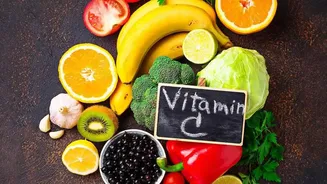
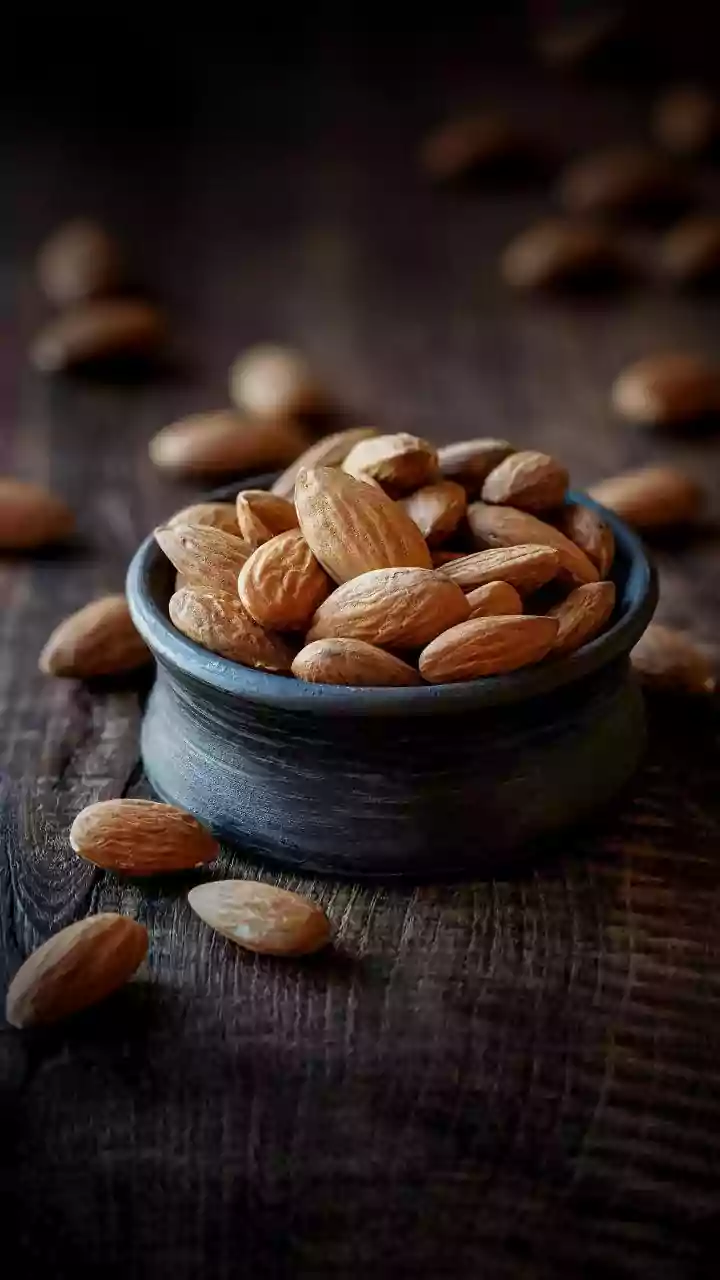
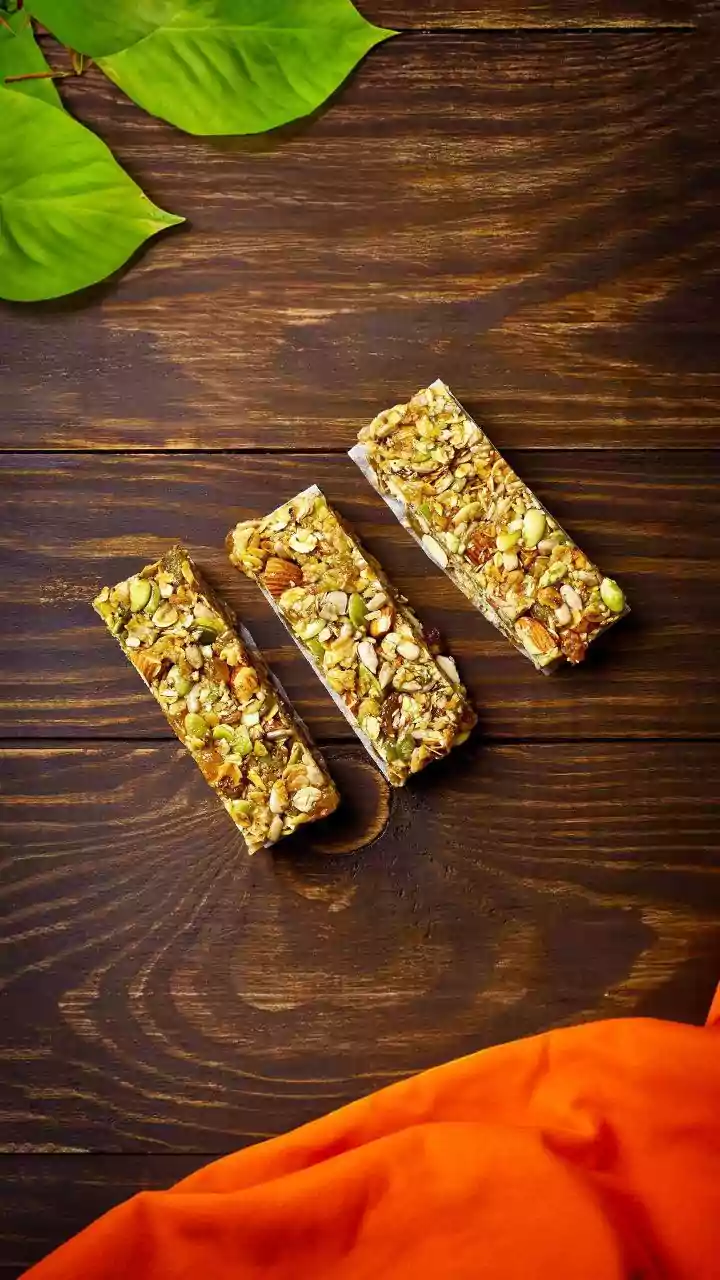
Incorporating soluble fibre into your diet is simple with everyday foods. Oats and barley are particularly famous for their high content of a soluble fibre called beta-glucan, known for its cholesterol-lowering effects. Other excellent sources include legumes like beans, peas, and dals. Fruits such as apples, bananas, oranges, and guavas are also packed with soluble fibre. Vegetables like carrots, broccoli, and Brussels sprouts, along with sweet potatoes, are great choices too. Don't forget nuts and seeds, with flaxseeds being a standout source.
Insoluble Fibre: The Bulking Agent
Unlike its soluble counterpart, insoluble fibre does not dissolve in water. Instead, it acts like a 'bulking agent' or 'roughage', absorbing water and adding weight and size to your stool. This action helps promote regularity and prevent constipation by making stool softer and easier to pass. By keeping things moving efficiently through your intestines, insoluble fibre is crucial for maintaining good bowel health and can reduce the risk of issues like haemorrhoids. It also contributes to feeling full, which can support weight control.
Where to Find Insoluble Fibre
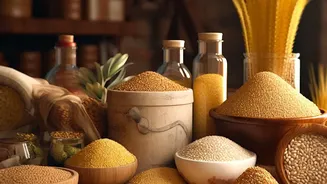
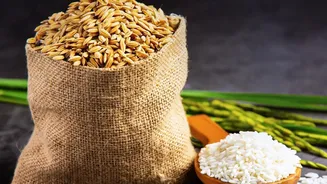
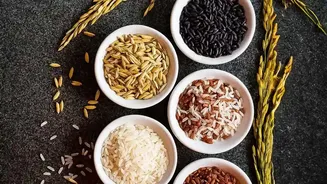
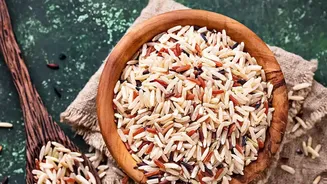
Many of the best sources of insoluble fibre are staples in an Indian diet. Whole-wheat flour (atta) and wheat bran are excellent sources, making whole-grain rotis a great choice. Millets such as jowar, bajra, and ragi are also rich in insoluble fibre. You will find it in the skins of many fruits and vegetables, like apples and potatoes, which is a great reason to eat them unpeeled when possible. Other good sources include nuts, cauliflower, green beans, and most whole grains like brown rice.
A Team Effort: Why You Need Both
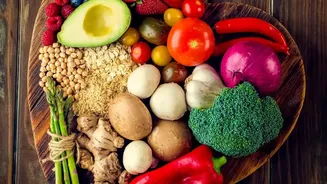
It is not about choosing a 'better' fibre; both soluble and insoluble types are essential and work together for your overall health. Many plant foods naturally contain a mix of both. For example, an apple contains soluble fibre in its fleshy part and insoluble fibre in its skin. While soluble fibre works internally to manage blood sugar and cholesterol, insoluble fibre provides the mechanical 'push' for your digestive system. A balanced diet with a wide variety of plant-based foods—from dals and whole grains to a rainbow of fruits and vegetables—is the best strategy to ensure you are getting enough of both.