






A Spice with a Storied Past
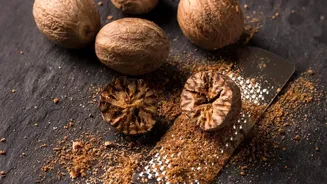
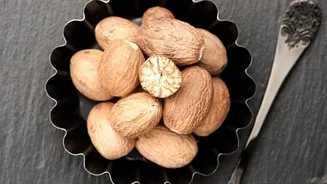
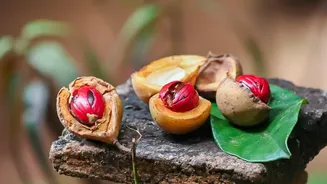
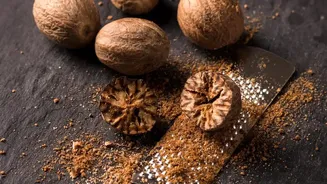
For centuries, nutmeg, or 'Jaiphal', has been a prized ingredient in Indian kitchens and traditional medicine. It's the secret weapon in garam masala, a key flavour in festive sweets, and a comforting addition to a warm glass of milk before bed. In Ayurveda,
it's valued for its warming properties and used to aid digestion, relieve pain, and calm the nerves. This long history of use in culinary and wellness practices across Asia gives nutmeg a cultural significance that goes far beyond its taste. Its reputation as a remedy for everything from digestive issues to sleeplessness has been passed down through generations, making it a trusted household staple.
From Kitchen Staple to Brain Booster?
Recently, claims about nutmeg have gone from traditional wellness to bold scientific assertions, especially concerning brain health. Online articles and influencers have touted it as a powerful cognitive enhancer, suggesting it can improve memory, slow the decline associated with Alzheimer's disease, and even boost mood. The conversation often points to specific compounds in nutmeg, like myristicin and macelignan, as the source of these supposed brain-boosting powers. This has led many to wonder if a simple spice could really be a powerful, all-natural brain supplement, offering a cheap and easy way to protect and enhance our most vital organ.
Sifting Fact from Fiction
This is where we must be careful. While nutmeg does contain compounds that have shown neuroprotective effects in laboratory settings, this is a world away from proving they work in the human body. Most of the research on nutmeg and brain health involves animal studies or experiments on cells in a petri dish. These preclinical studies suggest that certain extracts may have antioxidant and anti-inflammatory properties that could theoretically be beneficial, but they do not provide enough evidence to support claims of improved memory or disease prevention in humans. Scientific reviews conclude that while the area is interesting, rigorous human clinical trials are severely lacking. Without these trials, any claims about nutmeg as a 'brain tonic' are an overstatement of the available science.
The Dangers of Self-Dosing
The leap from a pinch of spice in your food to consuming large amounts for medicinal effect is not just unproven—it's dangerous. The same compound that attracts so much attention, myristicin, is toxic in large doses. Consuming as little as two teaspoons (about 5-10 grams) of nutmeg can be enough to cause myristicin poisoning. Symptoms can be deeply unpleasant and severe, including nausea, dizziness, extreme dry mouth, confusion, a rapid heartbeat, and hallucinations. These effects on the central nervous system can last for hours and feel like a severe, two-day hangover. In some cases, high doses have led to psychotic episodes and other serious medical emergencies. This is a stark reminder that 'natural' does not always mean 'safe', especially when a substance is used outside its intended culinary role.
The Real Role of Spices in Health
So, should you throw out your nutmeg? Absolutely not. The key is perspective. Spices and herbs are a fantastic part of a healthy diet. They are rich in antioxidants and bioactive compounds that, when consumed regularly as part of balanced meals, contribute to overall well-being. A diet rich in a variety of spices can have anti-inflammatory benefits and support general health. The mistake is to isolate one spice and treat it like a pharmaceutical drug. No single ingredient can prevent or cure complex diseases. Rather than looking for a magic bullet in the spice rack, focus on the broader picture: a varied, nutrient-dense diet, regular exercise, and good sleep habits. Enjoy nutmeg for its wonderful aroma and flavour in your cooking, knowing that it’s one small part of a much larger healthy lifestyle.