

Embrace Natural Fibres
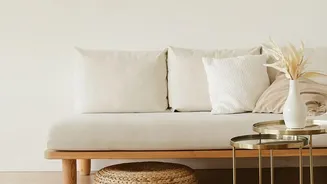
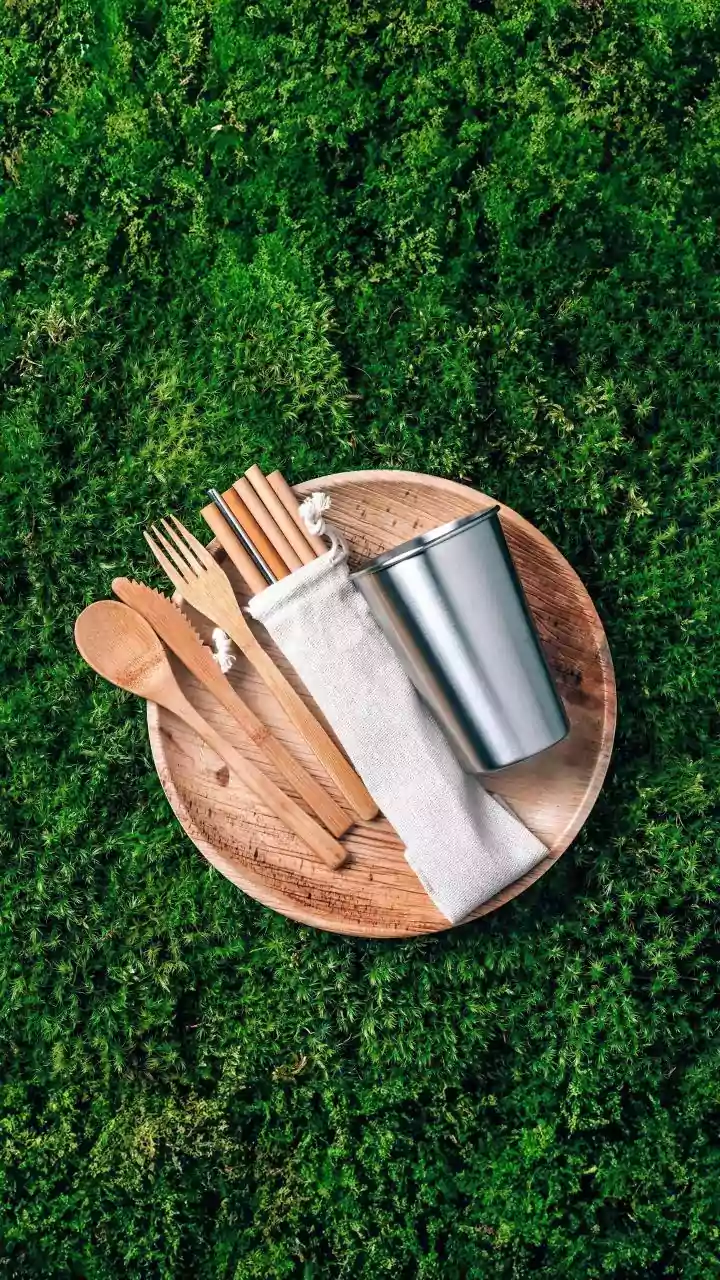
One of the easiest and most affordable ways to introduce texture is by incorporating natural materials. Think jute, rattan, cane, and sabai grass. These elements, deeply rooted in Indian craftsmanship, bring an earthy, organic feel to any room. Look for budget-friendly
jute rugs, woven cane baskets for storage, or placemats made of water hyacinth. These pieces not only add a tactile dimension but also connect your home to nature, creating a calming and grounded atmosphere. Even small additions, like a seagrass planter or a rattan tray on a coffee table, can make a significant impact without straining your wallet.
Layer Your Soft Furnishings
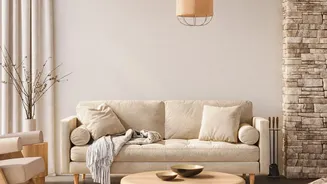
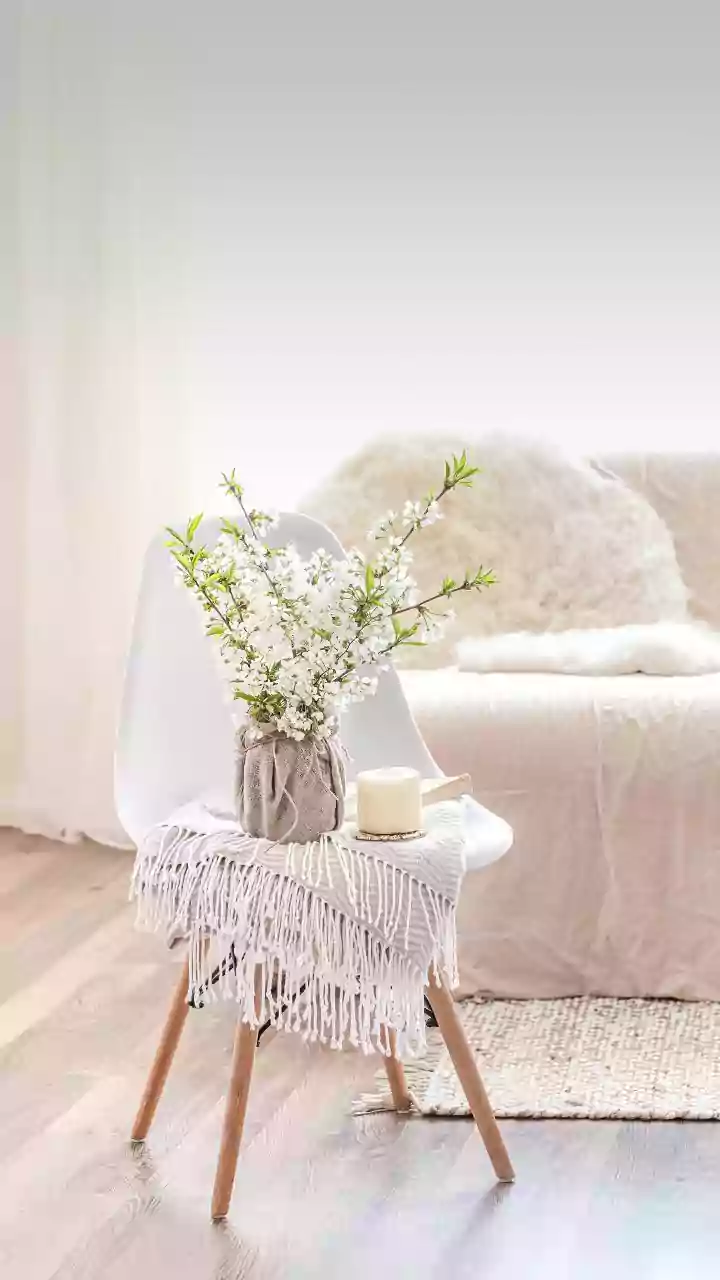
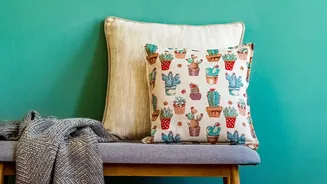
Your sofa and bed are prime real estate for layering textures. Piling on cushions and throws with different materials is a classic designer trick that you can easily replicate on a budget. Mix and match different fabrics: a chunky knit blanket next to a smooth cotton cushion cover, or a velvet pillow against a linen-blend backdrop. Don't be afraid to play with patterns and weaves. Upcycling old silk sarees or vibrant dupattas into unique cushion covers is a fantastic no-cost way to add both texture and a personal, traditional touch. The goal is to create a cozy, inviting space that makes you want to curl up and relax.
Introduce Plants and Greenery
Plants are a decorator's secret weapon for adding life, colour, and natural texture to a room. The varying shapes of leaves, from the glossy finish of a money plant to the architectural spikes of a snake plant, provide subtle yet effective texture. To keep costs low, opt for affordable houseplants that thrive in Indian climates, such as peace lilies and pothos. You can also get creative with your planters. Instead of buying expensive pots, use affordable terracotta planters which add their own warm, earthy texture. You can even upcycle old glass jars or tin cans by wrapping them in jute twine or painting them to create rustic, custom planters.
Play with Textured Ceramics
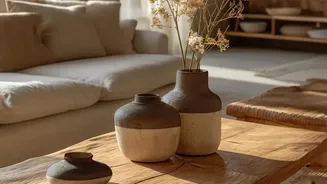
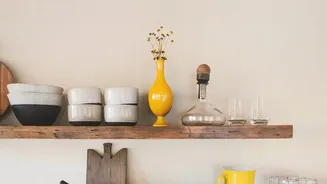
Ceramics offer a wonderful opportunity to play with texture in a more sculptural way. Look for affordable vases, bowls, and decorative objects with interesting finishes. Instead of smooth, glossy surfaces, opt for pieces with matte, unglazed, or rough textures that invite touch. These kinds of ceramics catch the light in interesting ways, creating subtle highlights and shadows that add depth to your shelves and tabletops. You don’t need a large collection; a single statement vase or a small grouping of textured pots can act as an artistic focal point, making your space feel curated and thoughtful.
Create Your Own Wall Art
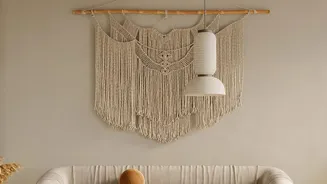
An empty wall is a perfect canvas for a budget-friendly texture experiment. Instead of buying expensive art, consider creating your own DIY textured piece. Using inexpensive materials like a blank canvas, joint compound or wall spackle, and a putty knife, you can create stunning abstract art with a high-end look. Spread the compound on the canvas and use tools—or even a comb—to create lines, swirls, and other patterns. Once dry, you can leave it neutral or paint it to match your decor. Another simple idea is to create a gallery wall of woven baskets or hang a beautiful textile, like a hand-blocked print fabric, as a tapestry.