




What Exactly Is Ambali?
Ambali is a traditional beverage from Southern India, particularly popular in states like Karnataka, Andhra Pradesh, and Telangana. For generations, it has been a staple for farmers and labourers, valued as an inexpensive and filling source of sustained
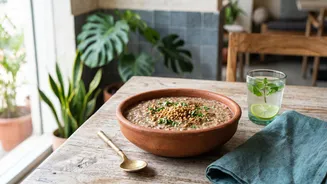
energy. At its heart, Ambali is a simple porridge made by cooking ragi (finger millet) flour with water. The mixture is then allowed to ferment, typically overnight. This crucial fermentation step gives the drink its signature slightly tangy, earthy flavour and unlocks many of its health benefits. It is traditionally served cool, often mixed with buttermilk or curd and seasoned with salt, chopped onions, and green chillies.
The Probiotic Powerhouse
The secret to Ambali's comeback lies in one word: fermentation. This natural process transforms the simple millet porridge into a rich source of probiotics, the beneficial bacteria essential for a healthy digestive system. The fermentation encourages the growth of live cultures like Lactobacillus, similar to those found in yoghurt and other probiotic foods. These microorganisms help nourish the gut microbiome, which can improve digestion, reduce bloating, and support overall wellness. Before probiotics became a wellness buzzword, drinks like Ambali were the original gut-friendly foods in traditional Indian kitchens.
More Than Just Fermentation
The base ingredient, finger millet itself, is a nutritional powerhouse. Ragi is naturally gluten-free and packed with calcium, iron, and dietary fibre. The fermentation process does more than just add probiotics; it also breaks down anti-nutrients like phytic acid that are naturally present in the grain. This breakdown makes the abundant minerals in ragi, especially calcium and iron, more bioavailable, meaning the body can absorb them more easily. With a low glycemic index, ragi releases energy slowly, helping to manage blood sugar levels and keep you feeling full for longer.
From Farmer's Fuel to Urban Elixir
So why is this rustic drink suddenly appearing in trendy cafes? Ambali's resurgence is part of a larger cultural shift. As urban consumers become more interested in gut health, functional foods, and authentic culinary heritage, ancient recipes are being rediscovered. The global spotlight on millets as climate-resilient superfoods has also helped propel Ambali from a regional staple into the premium wellness market. While the soul of the drink remains the same, its presentation is getting a modern upgrade. Instead of a simple tumbler, you might find Ambali served in a chilled glass, garnished with fresh herbs, making it more appealing to a new generation of health-conscious customers.
What to Expect When You Order
If you're trying Ambali for the first time, expect a unique flavour profile that is a departure from sweet lassis or juices. The drink has a smooth, slightly thick texture with a mild, earthy taste from the ragi. The fermentation adds a gentle tanginess that is both refreshing and complex. In cafes, it is almost always served as a savoury beverage, chilled and often blended with spiced buttermilk, creating a cooling drink that’s perfect for hot weather. It is light, balanced, and increasingly recognised not just as a drink, but as a complete, nourishing liquid meal.