

Hanle, Ladakh: India's Dark Sky Capital
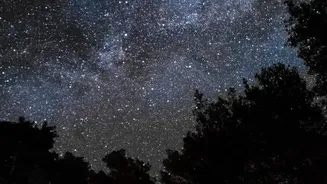
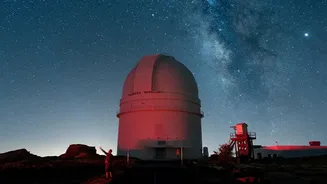
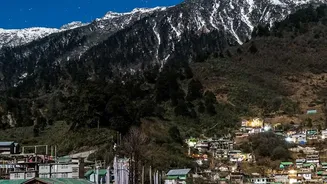
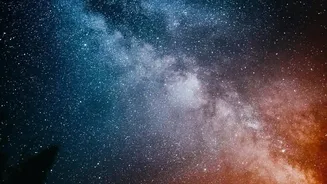
If there is one destination that has redefined stargazing in India, it's Hanle. Nestled in the remote Changthang region, this high-altitude village is home to India's first official Dark Sky Reserve. The air here is thin and dry, with over 250 clear nights
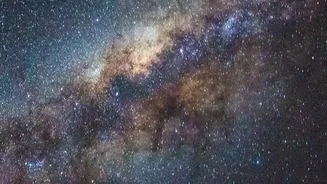
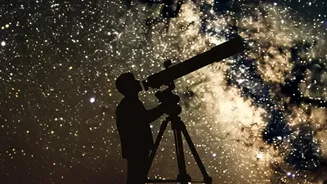
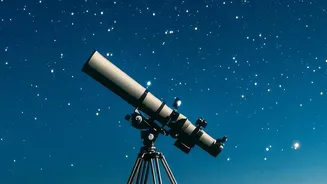
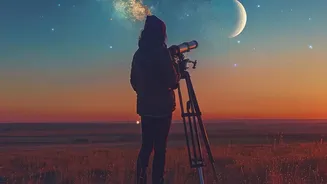
a year, which is why the Indian Astronomical Observatory was built here. For travellers, this translates to breathtakingly clear views of the Milky Way, so bright it can feel almost within reach. The reserve is a science-driven initiative to control light pollution, ensuring the skies remain pristine for both research and astro-tourism. Local villagers, trained as astronomy guides, often host telescope sessions, making the experience both educational and deeply profound.
Spiti Valley, Himachal Pradesh: A High-Altitude Desert
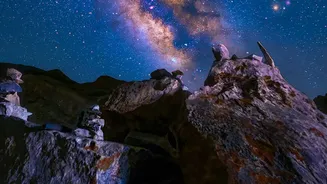
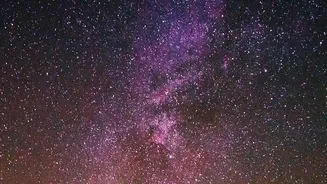
Spiti Valley is a cold desert where the drama of the landscape is matched only by the spectacle of its night sky. At altitudes often exceeding 4,000 metres, villages like Langza, Komic, and Kibber are far removed from atmospheric and light pollution. This elevation results in incredibly sharp and bright stars. Between May and October, the weather is favourable and the galactic core of the Milky Way is clearly visible to the naked eye. For photographers, the conditions are perfect for capturing star trails over ancient monasteries and stark mountain peaks. It’s an immersive experience where the profound silence of the valley enhances the grandeur of the cosmos above.
Rann of Kutch, Gujarat: Stars Over Salt
The Great Rann of Kutch offers one of the most surreal stargazing backdrops imaginable. This vast, flat expanse of white salt desert creates a 180-degree, horizon-to-horizon view with zero obstruction. During the winter months, especially from November to February, the air is dry and clear, creating perfect viewing conditions. On a moonless night, the sky is so dark that the faint glow of the Milky Way can sometimes be seen reflecting on the salt crust below, creating an otherworldly effect. The popular Rann Utsav festival coincides with this prime stargazing season, allowing visitors to combine cultural experiences with cosmic wonder.
Coorg, Karnataka: The Western Ghats Surprise
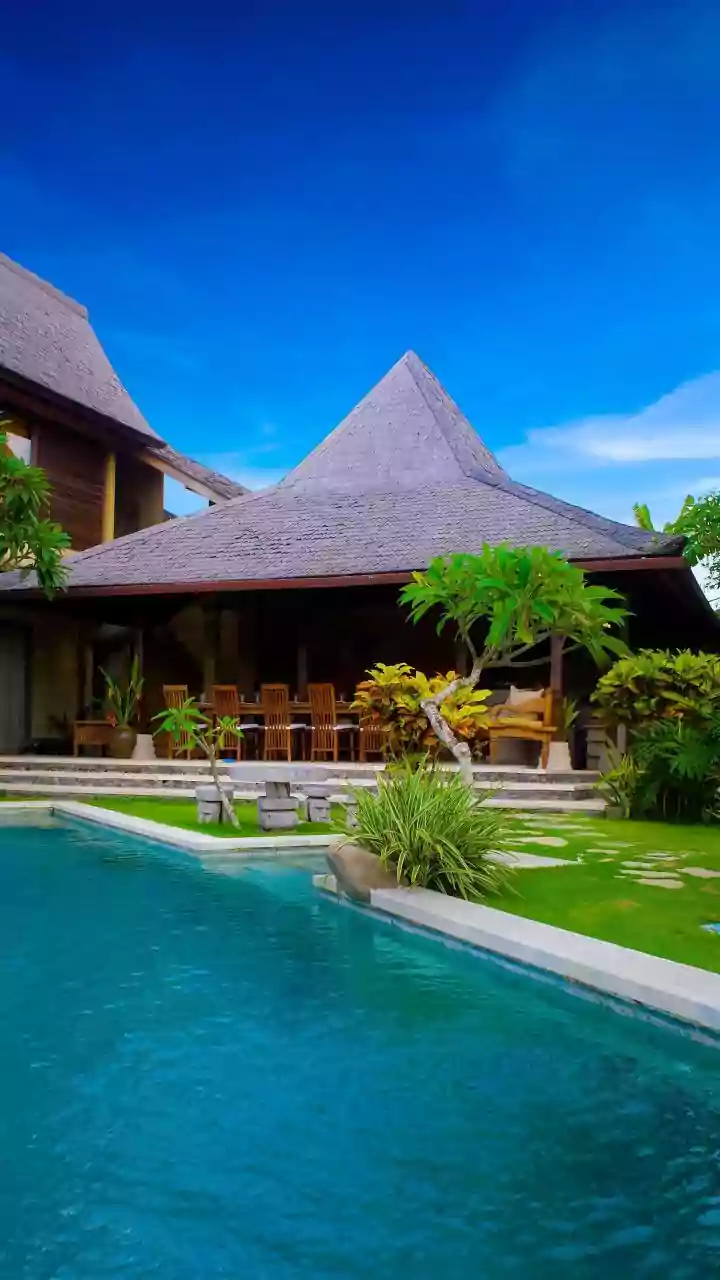
You don't always need extreme altitudes or deserts for a great celestial show. The misty hills and coffee plantations of Coorg in the Western Ghats offer a surprisingly clear window to the stars. While it experiences monsoons, the period from October to May provides excellent viewing opportunities, with low humidity and clear skies. Its distance from major urban centres keeps light pollution at a minimum, especially in more remote areas around Madikeri and Tadiandamol Peak. Many eco-friendly homestays and resorts here have open spaces perfect for a quiet night of stargazing, often accompanied by the aroma of coffee blossoms and the sounds of nature.
Neil Island, Andaman and Nicobar: A Coastal Cosmos
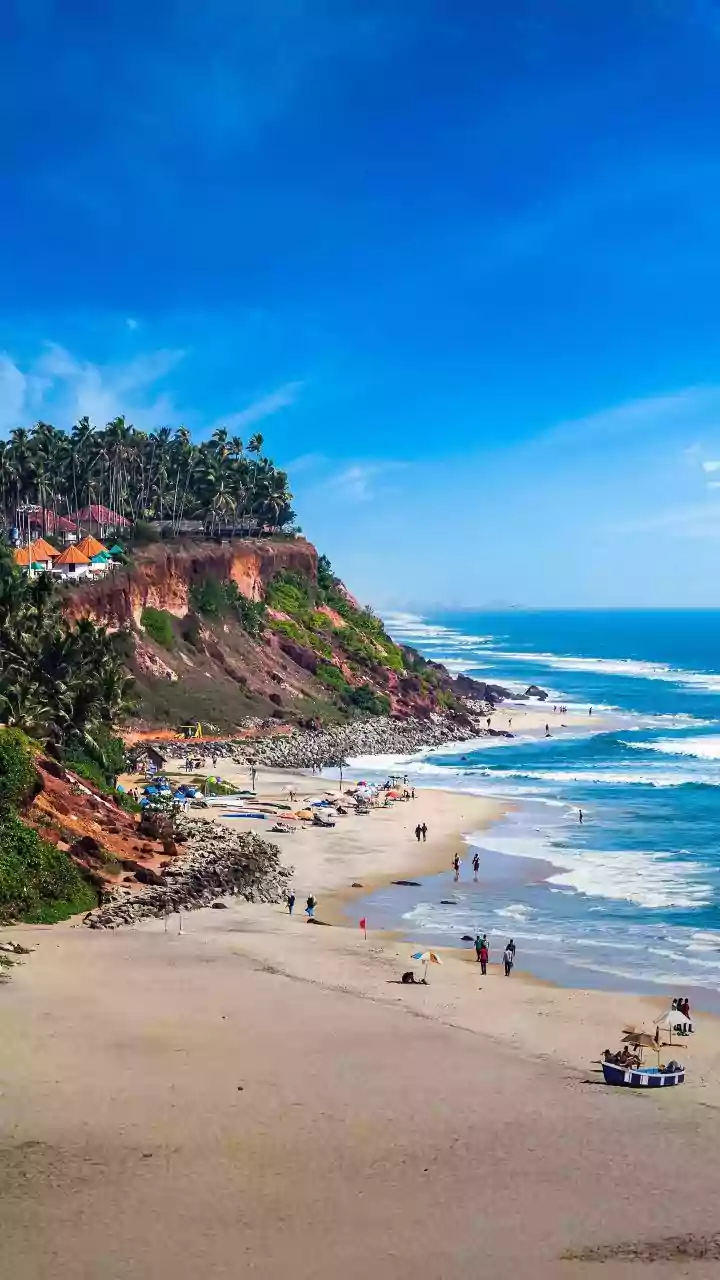
For those who dream of watching stars with the sound of ocean waves in the background, Neil Island (Shaheed Dweep) is paradise. Far from the mainland and with minimal commercialisation, the island's beaches become natural, pitch-dark amphitheatres after sunset. Wide, open beaches like Laxmanpur and Sitapur offer unobstructed views of a sky packed with stars. The clean air and lack of pollution mean that on clear nights, typically between November and April, the Milky Way is vividly visible over the sea. It’s a serene, meditative experience that combines the beauty of a tropical island with the infinite expanse of the universe.
Jaisalmer, Rajasthan: Desert Dunes and Galaxies
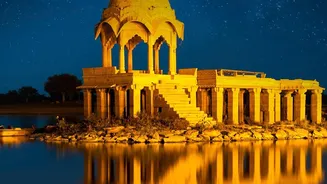
The Thar Desert near Jaisalmer provides another classic and accessible desert stargazing experience. The dry desert air and distance from city lights make the night sky exceptionally clear. Areas like the Sam Sand Dunes, about 40 kilometres from the main city, are popular spots. Many desert camps offer overnight safaris that include stargazing as a key activity, often complete with telescopes and guided sessions that explain the constellations. Lying on a cool sand dune under a canopy of twinkling stars, perhaps after an evening of traditional Rajasthani music, is an unforgettable way to connect with both culture and the cosmos. The best time to visit is during the cooler months from October to March.