







The Problem with Protein Bars
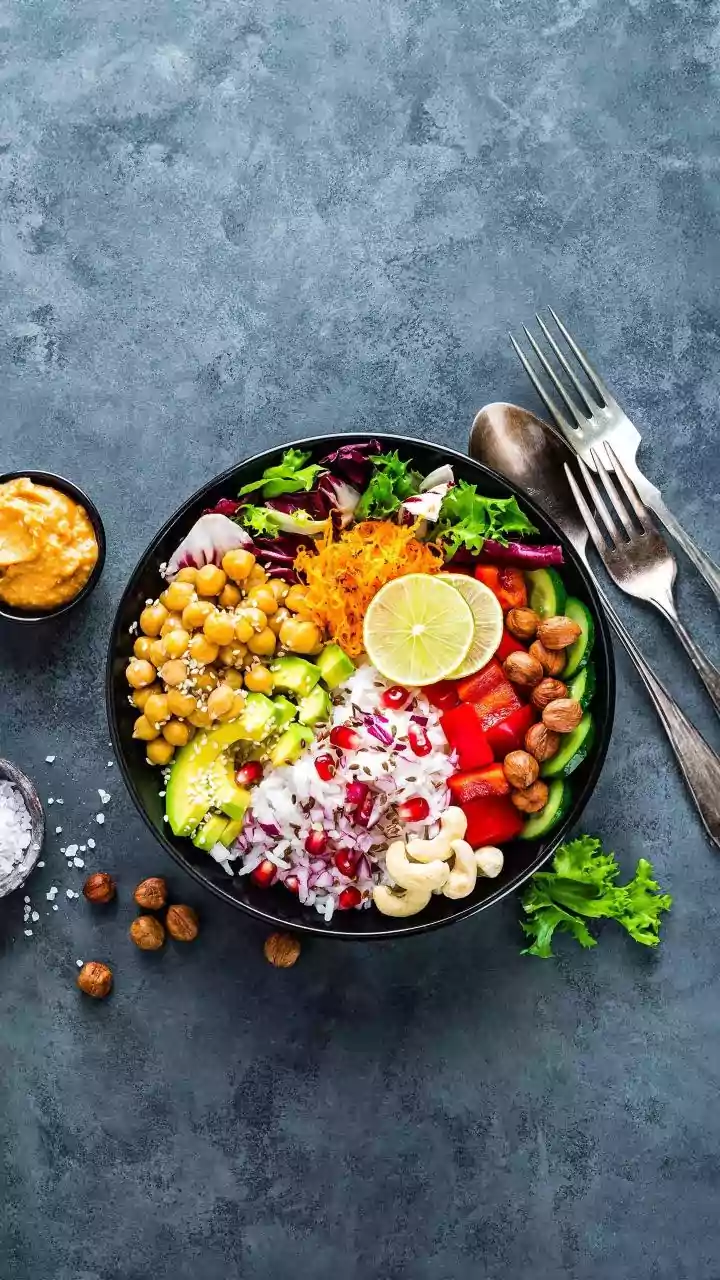
They promise convenience and a quick protein hit, making them a go-to for busy professionals and fitness enthusiasts. However, many commercial protein bars are essentially candy bars in disguise. They can be loaded with calories, added sugars, and artificial
sweeteners like maltitol, which may cause digestive issues like bloating and gas. The protein itself often comes from cheaper, highly processed sources like soy or whey concentrates. Beyond the questionable ingredients, there's the cost. A daily protein bar habit can quickly become a significant monthly expense, offering questionable nutritional return for the price.
Meet Chana Sattu: The Desi Superfood
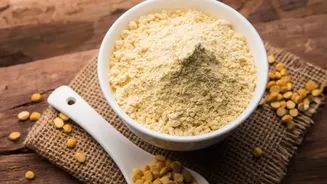
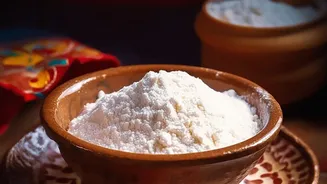
For centuries, sattu—a flour made from roasted Bengal gram (chana)—has been a staple in states like Bihar, Jharkhand, and Uttar Pradesh. Often called the 'poor man's protein,' it's a powerhouse of nutrition that has provided sustained energy to farmers and laborers for generations. Unlike processed supplements, sattu is a whole food. Its preparation is simple: chana is roasted and then ground into a fine powder. This process gives it a unique nutty flavour and, more importantly, makes its nutrients highly bioavailable.
The Nutritional Edge
When you compare labels, sattu's advantages become clear. A 100-gram serving of chana sattu typically contains about 20-25 grams of plant-based protein, which is comparable to many commercial powders. But its superiority lies in its completeness. Sattu is incredibly high in dietary fibre (around 15-22 grams), which aids digestion, promotes gut health, and keeps you feeling full for longer. It also boasts a low glycemic index, providing a slow and steady release of energy without the sugar crash associated with many high-sugar bars. Furthermore, it’s rich in essential minerals like iron, magnesium, and calcium.
The 'Sprouted' Advantage
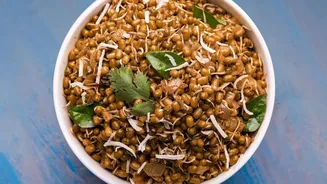
The headline mentions 'sprouted' chana sattu, and this is a key upgrade. Sprouting the chana before roasting and grinding further enhances its nutritional profile. The sprouting process increases the bioavailability of vitamins and minerals, meaning your body can absorb them more easily. It also helps to break down anti-nutrients, making the sattu even easier to digest and reducing the potential for bloating that can sometimes accompany legumes. While you can make this at home, many quality sattu brands now use this method.
Making Your First Sattu Bowl
Making the swap is simpler than you think. A sattu bowl can be prepared in minutes and customised to your taste. Start with a basic savoury bowl: take 3-4 tablespoons of sattu powder in a bowl. Slowly add water (or buttermilk for a richer taste) and whisk to form a smooth, thick paste, similar to a porridge consistency. Mix in finely chopped onions, a pinch of black salt, roasted cumin powder, and a squeeze of lemon juice. For a final flourish, add a sprinkle of fresh coriander. You now have a nutrient-dense, high-protein meal that is incredibly satisfying and costs a fraction of a single protein bar.
Beyond the Breakfast Bowl
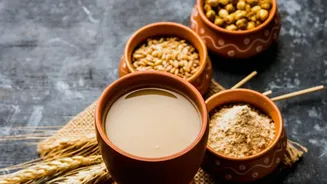
The versatility of sattu is one of its greatest strengths. If you prefer a sweet start to your day, you can make a sattu smoothie by blending it with milk, a banana, and a natural sweetener like jaggery or dates. Sattu can also be used to make energy laddoos, stuffed parathas, or even added to your regular atta for a protein-boosted roti. The most common way to consume it is as a refreshing drink, known as sattu sharbat, which is perfect for hydration and energy during hot weather.