


Defining Our Dals
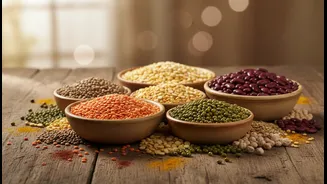
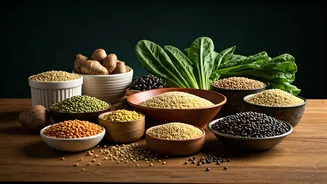
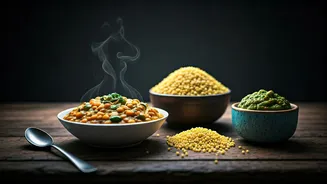
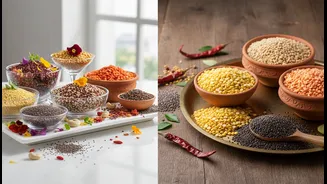
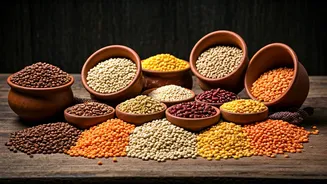
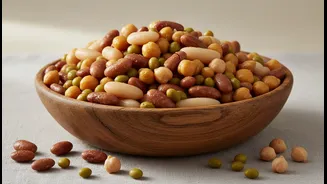
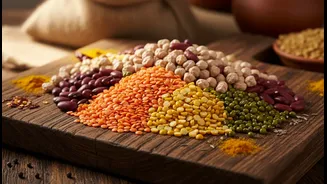
Before we dive in, let's get our terms straight. 'Pulses' are the edible dried seeds of legume plants. This category includes a wide variety of lentils, beans, and peas that are pantry staples across India. The word 'dal' itself can be a bit tricky; it refers
to a split pulse (like moong dal or chana dal) but also to the soupy, stew-like dish made from them. For generations, dals like toor (arhar), masoor, moong, and chana have been the backbone of Indian cuisine, providing essential protein and nutrients. They are affordable, versatile, and deeply woven into our daily meals.
The Rise of 'Fancy' Contenders
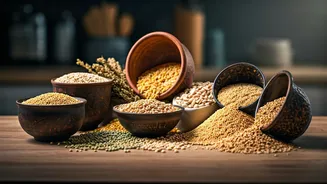
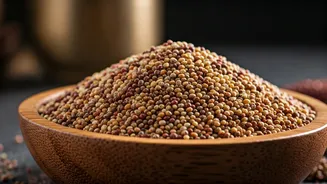
In recent years, the wellness wave has introduced a new cast of characters to our kitchens. Grains and seeds like quinoa, often marketed as 'superfoods', have gained immense popularity. While technically a seed, quinoa is cooked and consumed like a grain and often compared to pulses due to its high protein content. Hailed for its impressive nutritional profile and gluten-free status, it has found a place in salads, breakfast bowls, and modern health-focused diets. This trend has left many wondering if these pricier alternatives offer benefits that our traditional pulses lack.
The Nutritional Showdown
So, how do they stack up? Traditional Indian pulses are nutritional powerhouses. They are packed with plant-based protein, high in dietary fibre, and rich in essential minerals like iron, potassium, and magnesium. Moong dal is known for being easy to digest, while masoor dal is a great source of iron. Quinoa's claim to fame is that it's a 'complete protein', containing all nine essential amino acids. However, when you combine traditional dals with rice or roti, a staple practice in Indian meals, you also create a complete protein profile. While quinoa has slightly more magnesium, lentils like masoor dal often contain significantly more protein, fibre, and iron per serving. Ultimately, both traditional dals and quinoa are incredibly healthy, but our everyday pulses offer a comparable, and in some cases superior, nutritional punch.
A Tale of Two Price Tags
Here's where the difference becomes stark. Traditional dals are famously budget-friendly. According to recent market data from July 2026, prices for common dals like gram dal (chana), toor dal, and masoor dal range from approximately ₹85 to ₹123 per kilogram. Quinoa, on the other hand, is a premium product. Its price can be several times higher, often making it a less accessible option for daily consumption for the average Indian household. While prices vary by brand and location, the cost difference is significant enough to be a major factor for most consumers. Lentils provide wholesome nutrition for a fraction of the cost.
Versatility in the Indian Kitchen
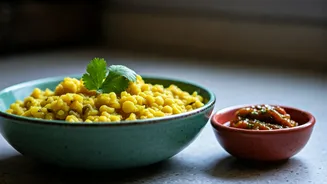
When it comes to cooking, Indian pulses have an undeniable home-ground advantage. They are the heart of countless traditional recipes, from the creamy dal makhani made with urad dal to the simple, comforting dal tadka. They are used to make everything from idli and dosa batters to savoury snacks and sweets. Quinoa is versatile in its own right—it can be used in upma, salads, or as a substitute for rice. However, its flavour profile and texture are different, and it doesn't seamlessly integrate into the vast repertoire of Indian dal-based dishes without significant adaptation. Our traditional dals are not just ingredients; they are part of our culinary identity.