
Rethinking the Balanced Meal
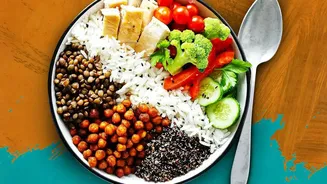
First, let's redefine what a 'balanced meal' looks like in the modern world. Nutrition experts suggest a simple formula: fill half your plate with vegetables and fruits, a quarter with lean protein, and a quarter with whole grains. This doesn't require
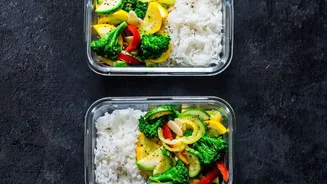
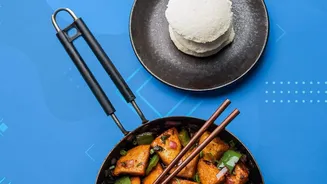
three different pots and an hour of simmering. A quick stir-fry with chicken, broccoli, and brown rice ticks all the boxes. A frittata loaded with leftover vegetables and served with a slice of whole-wheat toast is another excellent example. The goal is nutritional balance, not culinary complexity. By letting go of the idea that a proper meal must be elaborate, we open ourselves up to a world of fast, healthy, and satisfying options.
The One-Pan Revolution
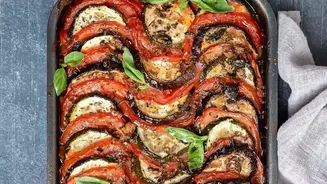
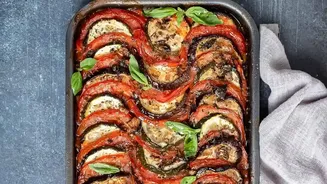
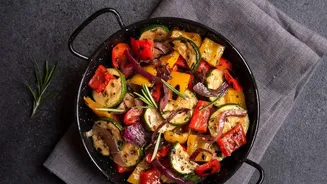
One of the biggest hurdles to weeknight cooking is the cleanup. This is where one-pan meals come to the rescue. Whether it's a sheet pan, a skillet, or a wok, cooking your entire meal in a single vessel is a game-changer. Think Mediterranean sheet-pan salmon with zucchini and tomatoes, or skillet sausage with bell peppers and onions. The concept is simple: combine a protein, vegetables, and sometimes a carbohydrate source, season everything well, and cook it all together. This method not only saves precious time on washing dishes but also allows flavours to meld beautifully, creating a delicious and cohesive dish with minimal effort.
Embrace Your Smart Appliances
Modern kitchen technology is a busy person's best friend. Air fryers and electric pressure cookers like the Instant Pot have revolutionized quick cooking. An air fryer, which is essentially a compact convection oven, can cook foods like chicken wings or roast vegetables in a fraction of the time of a traditional oven, all while achieving a desirable crispy texture. Pressure cookers, on the other hand, use steam pressure to cook foods like beans, tough cuts of meat, or entire pots of chili up to 70% faster than traditional methods. These appliances are not just about speed; they are about efficiency, allowing you to walk away and handle other tasks while they do the heavy lifting.
Strategic Meal Prep
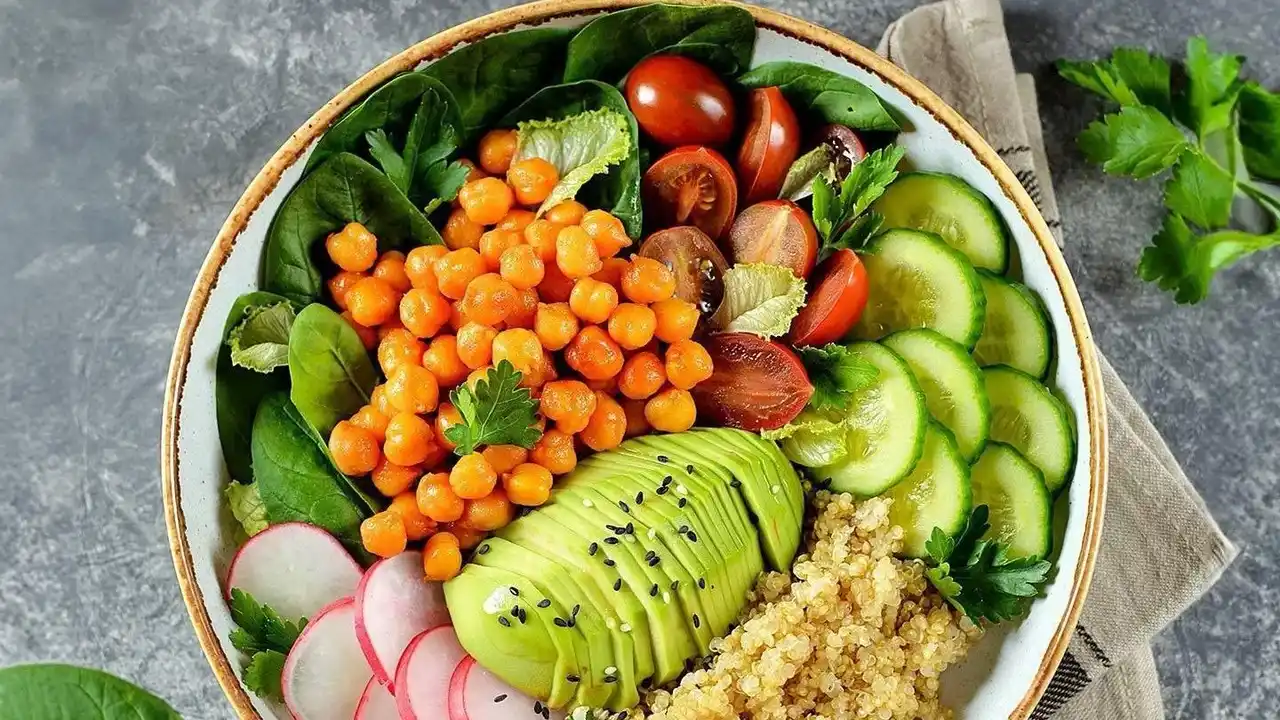
Meal prep doesn't have to mean spending your entire Sunday cooking a week's worth of identical meals. A more flexible approach is 'component prep'. Spend an hour or two on the weekend to wash and chop vegetables, cook a batch of grains like quinoa or brown rice, and make a versatile dressing or sauce. Storing these prepped ingredients in the fridge means that on a busy Tuesday, you can assemble a grain bowl, a salad, or a quick stir-fry in minutes. You can also prep proteins by marinating chicken or portioning out ground meat. This strategy dramatically cuts down on the daily 'start-to-finish' time and mental load of deciding what to cook.
A Well-Stocked Pantry
The secret to a 20-minute meal often lies in a well-stocked pantry and freezer. Having key staples on hand prevents the need for last-minute grocery runs. Essential items include canned beans and lentils, quick-cooking grains like couscous, whole-wheat pasta, canned tuna or salmon, and frozen vegetables. A jar of good-quality pasta sauce, some canned tomatoes, and a few key spices can form the base of countless quick dishes. With these ingredients at your fingertips, you can easily whip up a black bean salsa, a simple tuna pasta, or add frozen corn to a quesadilla, transforming simple staples into a nourishing meal in minutes.