






Why October Watering is Different
October in India marks a transitional period for our gardens. The heavy monsoon rains have passed, but the intense heat of summer has also subsided. This means the soil doesn't dry out as quickly as it did in May, but it also doesn't stay waterlogged
like in July. Cooler temperatures and less intense sunlight mean plants lose less water through their leaves. This shift requires a change in your watering schedule. Instead of frequent, light watering, the focus should now be on deep, less frequent watering that encourages strong root growth. Autumn is a prime time for roots to develop, and providing the right amount of moisture helps plants establish themselves for the cooler months ahead.
The Golden Rule: Check the Soil First
The single most important rule for watering any plant, especially in the changing seasons, is to check the soil before you water. Rigid schedules are the enemy of a healthy garden. Instead, use the simple 'finger test'. Insert your finger about one to two inches into the soil. If the soil feels dry at that depth, it's time to water. If it feels moist, hold off and check again the next day. This prevents the number one killer of potted plants: overwatering. Soil that is constantly soggy suffocates roots, preventing them from absorbing oxygen and nutrients, which can lead to root rot.
Perfecting Your Watering Technique
How you water is just as important as when you water. Always aim to water the plants at their base, directly onto the soil. Avoid using overhead sprinklers that wet the foliage. Wet leaves, especially overnight, create the perfect breeding ground for fungal diseases like powdery mildew. The best time to water is early in the morning, between 6 AM and 8 AM. This allows the water to soak deep into the root zone with minimal evaporation and gives the leaves the entire day to dry in the sun. If morning isn't possible, early evening is the next best option, but ensure the foliage doesn't remain damp after dark.
Marigold Watering Specifics
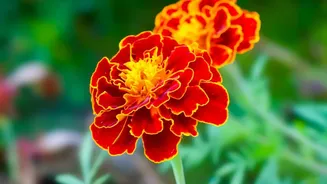
Marigolds are known for being hardy and relatively drought-tolerant once established. However, for a profusion of bright blooms, they need consistent moisture. Aim to give them about one inch of water per week, allowing the soil to dry out between sessions. Container-grown marigolds will need more frequent watering than those in the ground, as pots dry out much faster. Check potted marigolds daily. Overwatering is a common mistake; a key sign is the yellowing of lower leaves or a wilting appearance even when the soil is wet. Underwatering will cause leaves to wilt and turn brown and crispy.
Chrysanthemum Care Guide
Chrysanthemums, or 'mums', are the stars of the autumn garden but are often thirstier than marigolds. Consistent and even moisture is critical, especially as they form buds. Allowing chrysanthemums to dry out can cause them to drop their buds, resulting in a poor floral display. Like with marigolds, always check the top inch of soil; if it's dry, it's time for a deep watering at the base of the plant. They thrive in soil that is kept moist but never soggy. Good drainage is essential, particularly for potted mums, to prevent root rot. Continue to water them regularly throughout their blooming period in autumn until the ground becomes very cold.
Spotting Signs of Trouble
Your plants will tell you if your watering is off. Both overwatering and underwatering can cause leaves to droop and turn yellow, which can be confusing. The key is to check the soil. If the leaves are yellow or brown and the soil is constantly wet, you are likely overwatering. You might also see mould on the soil surface. If the leaves are wilting but feel dry and crispy and the soil is pulling away from the edge of the pot, your plant is thirsty and needs a good, deep drink. By learning to read these signs, you can adjust your routine and keep your autumn flowers in peak condition.