




The Paradox of Plenty: Why Plants Suffer
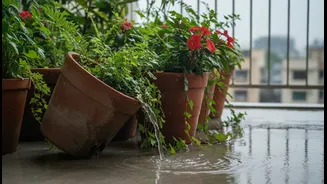
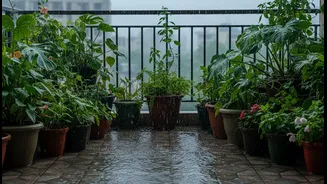
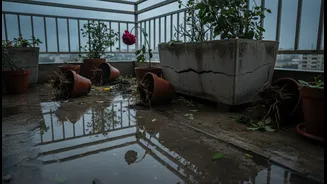
The irony of the monsoon is that while the landscape turns green, individual plants can drown in the excess. The primary culprit is waterlogging. When soil remains saturated for days, the air pockets that roots need to breathe disappear. This leads to root rot,
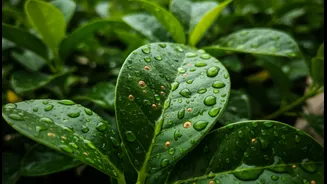
a fungal disease that causes roots to turn black and mushy, making them unable to absorb nutrients. Symptoms on the surface often look like dehydration—wilting, yellowing leaves—prompting some to water even more, which only worsens the problem. High humidity and constant leaf wetness also create the perfect breeding ground for fungal infections like powdery mildew and leaf spot.
Mastering Drainage: The First Line of Defence
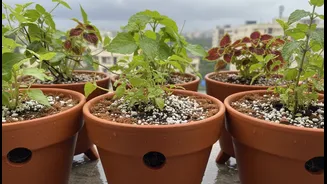
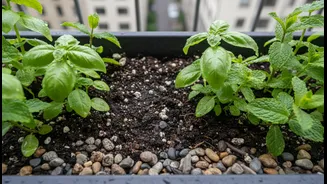
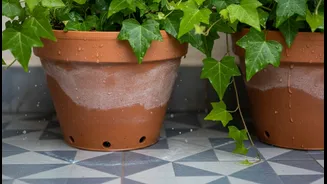
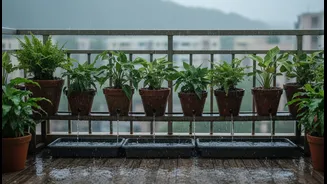
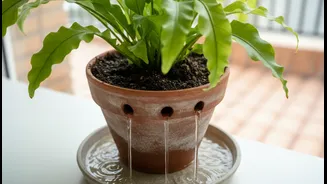
Your most critical task during the monsoon is ensuring water can escape. For potted plants, this starts with having adequate drainage holes. If pots are sitting flat on the ground, elevate them slightly with bricks or pot feet to prevent the holes from getting blocked and to improve airflow. For garden beds, especially those with heavy soil, amending the soil with organic matter like compost or vermicompost before the rains begin can dramatically improve its structure and porosity. If you notice water pooling, creating shallow channels to guide water away from the base of plants can be a simple and effective solution.
Choose Your Monsoon Champions
Not all plants are created equal when it comes to handling humidity and heavy rain. Embrace the season by planting species that thrive in these conditions. Flowering plants like hibiscus, balsam, marigold, and jasmine perform exceptionally well. Many foliage plants such as ferns, peace lilies, and philodendrons also love the high humidity. The rainy season is also ideal for growing many vegetables, including okra (bhindi), cucumbers, tomatoes, and various gourds. Herbs like mint, coriander, and tulsi also flourish, making it a productive time for your kitchen garden.
The Art of Smart Watering
It may sound counterintuitive, but you still need to monitor your watering routine during the monsoon. Don't stick to a rigid schedule. The rule is to always check the soil first. Poke a finger an inch into the topsoil; if it feels dry, it's time to water. If it's damp, let it be. Overwatering is a leading cause of root rot during this season. When you do water, aim for the base of the plant in the morning. This allows the water to reach the roots directly and gives the foliage time to dry during the day, reducing the risk of fungal diseases that thrive on wet leaves.
Harvest the Rain for a Drier Day
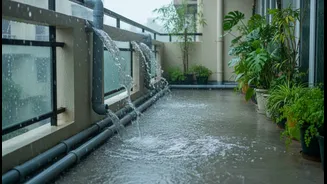
Instead of letting precious rainwater wash away, consider simple harvesting techniques. Even a basic system can significantly reduce your reliance on municipal water, especially for gardening. The simplest method is placing a barrel or tank under a rooftop downpipe. This collected water, which is naturally soft and free of chlorine, is excellent for plants. For a cleaner collection, a 'first-flush' diverter can be installed to wash away debris from the roof before the water enters your main storage. This stored water can be a lifeline for your garden during the inevitable dry spells that can occur even within the monsoon season.
Soil Health and Pest Management
Heavy rains can wash away essential nutrients from the soil. Replenish them by using organic liquid fertilisers, which are absorbed quickly by plants. Regular pruning is also vital; trim away dense growth to improve air circulation, which helps prevent fungal infections. Also, remove any yellowing or dead leaves promptly. The damp conditions are also an open invitation for pests like slugs, snails, and mealybugs. Regularly inspect your plants, and if you spot any pests, act quickly with organic solutions like a neem oil spray.